
Parental upbringing shapes a child’s future, and the values practiced within a family, such as gratitude, shape a child’s character. In Chinese culture, these two forces — family education and family tradition — have long been regarded as essential foundations for raising capable and compassionate children. Many of the great figures in history came from families who understood this well.
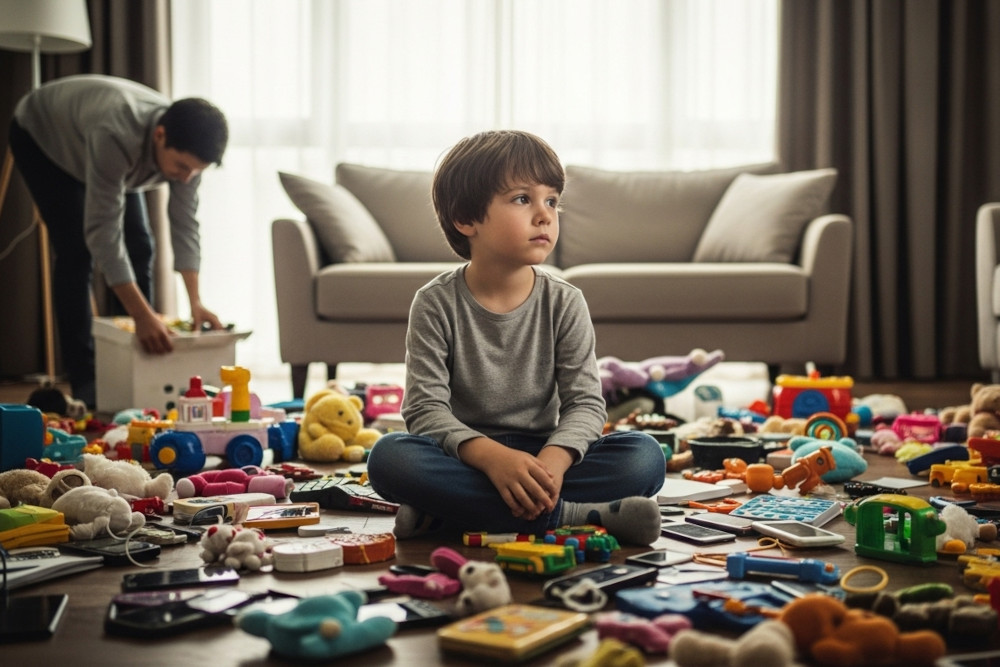
Today, however, many households revolve around the needs and emotions of a single child. Children quickly learn that they are the center of attention, and every desire becomes a command their parents rush to fulfill. Over time, some come to view the comfort and support they receive not as expressions of love, but as entitlements. They learn how to take — but not how to appreciate, reciprocate, or consider how their actions affect others.
Parents naturally want to give their children the best. Yet the most valuable gift is not material advantage; it is the upbringing that nurtures good character and a grateful heart. A child who understands gratitude gains something far more precious than anything money can buy.
A story shared widely in China captures this truth with striking simplicity.
A small gesture that revealed a child’s heart
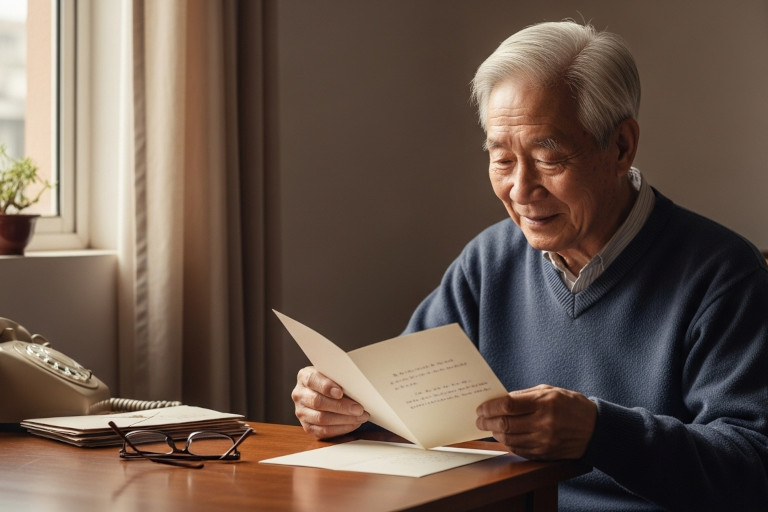
An elderly Chinese man who had lived overseas for many years returned home, hoping to help students from impoverished regions. With assistance from local authorities, he obtained the contact information of several children in need. He mailed each child a book and a few pens, and included his phone number, mailing address, and email address.
His family didn’t understand why such a small gift required personal contact information. But after sending the packages, the elderly man waited — by the phone, at the mailbox, and refreshing his email — hoping one of the children might reply.
Eventually, one child sent him a simple holiday card. It was the only response he received.
Delighted, the elderly man immediately established an education fund for that child and ended support for those who had not replied. Only then did his family understand: he wanted to help, but even more importantly, he wanted to support a child who understood gratitude.
A grateful child is more likely to find happiness because they recognize the effort others put into what they do for them. Parents create, nurture, and guide their children through years of sacrifice — yet without gratitude, even the deepest love can go unnoticed.
What happens when gratitude is missing
One widely discussed case in China shows the tragic consequences that can arise when a child grows up without boundaries or appreciation.
A young man named Wang Jiajing had studied in Japan for five years without ever working to support himself. His tuition and living expenses were paid entirely from his mother’s monthly salary of 7,000 yuan (about US$980). When she could no longer borrow money to cover his costs, he returned to China. At the airport, instead of expressing concern or gratitude, he attacked his mother with a knife, resulting in a devastating tragedy.
At twenty-five, a young adult should have learned responsibility and self-reliance. Yet years of unquestioned support had led him to see his mother’s sacrifices as obligations rather than acts of love. When she could no longer meet his demands, resentment replaced gratitude.
While this case is extreme, it underscores a broader truth: when children grow up believing they are owed everything, they may struggle to navigate life’s challenges — and their reactions can become unpredictable or even destructive.
When indulgence replaces guidance
Some children learn early that persistent demands will eventually be rewarded. A slight disappointment can trigger disproportionate anger. In some families, financial support continues well into adulthood, with parents stretching their budgets — or taking on debt — to accommodate their children’s lifestyle choices.
It’s increasingly common for university students to spend substantial amounts of their parents’ money on high-end phones, designer clothes, premium apartments, or frequent dining out. Some continue depending on their parents long after they begin working, viewing financial support as their parents’ responsibility rather than an act of generosity.
Yet children who never experience hardship struggle to recognize how much effort goes into the comforts they enjoy. A child who has never felt cold may not appreciate warmth; a child who has never faced setbacks may not value achievement.

Excessive protection may spare children temporary discomfort, but it often deprives them of the experiences that build resilience, empathy, and respect for others.
Helping children learn gratitude
A child who understands gratitude cherishes what they have, respects the people who support them, and finds joy in contributing to the well-being of others. Gratitude shapes not just behavior, but outlook.
Parents can nurture gratitude in simple and practical ways:
1. Avoid doing everything for them
When parents meet every need instantly, children rarely learn the value of effort. Giving age-appropriate responsibilities — setting the table, feeding a pet, or tidying their room — helps them understand the work that goes into everyday life.
2. Encourage small acts of appreciation
A sincere “thank you” when a parent cooks a meal, helps with homework, or solves a problem teaches children to recognize others’ efforts rather than take them for granted. These small habits build emotional awareness over time.

3. Provide structured boundaries
A household should not revolve solely around the child’s preferences. Clear expectations and consistent limits help children understand that mutual respect — not entitlement — guides family life.
4. Model gratitude openly
Children internalize what they see. When parents thank each other, speak respectfully to service workers, or acknowledge another person’s help, children learn that appreciation is a natural and meaningful part of daily life.
Gratitude as a foundation for character
Gratitude nourishes a child’s emotional development. When they understand that the comfort and joy in their life come from the hard work and goodwill of others, they begin to see beyond themselves. This awareness becomes a compass that guides their actions — helping them notice others’ needs, offer assistance, and treat people with respect.
Raising a grateful child is not about strict discipline or withholding love. It’s about helping them recognize kindness, understand effort, and develop the empathy that will help them thrive as adults. And in the end, gratitude is not simply a lesson — it is a lifelong strength.
Translated by Eva
Follow us on X, Facebook, or Pinterest
