

Sun Shu’ao (630-593 B.C.), a statesman from China’s Spring and Autumn period, is remembered less for grand monuments than for the clarity of his character. One of the earliest accounts about him is the striking tale of the “Two-Headed Snake.” As a young man, he stumbled upon the creature and recalled a local belief that anyone who saw such a snake would soon die. Without hesitation, he killed it — not for his own sake, but to ensure that no passerby would be harmed. That quiet act of compassion, the story suggests, foreshadowed the integrity that later led to his appointment as prime minister.
This account comes from the Shuo Yuan (Garden of Stories), in the chapter “Jing Shen” (“Diligent Prudence”), a classical anthology that gathers moral reflections and historical anecdotes from the pre-Qin era through the Western Han Dynasty (206 B.C.-A.D. 8). Among its pages is another episode — Sun Shu’ao’s encounter with a wise elder — that distills enduring principles for how one attains a good end in life. Though rooted in ancient history, these lessons speak just as clearly to us today.
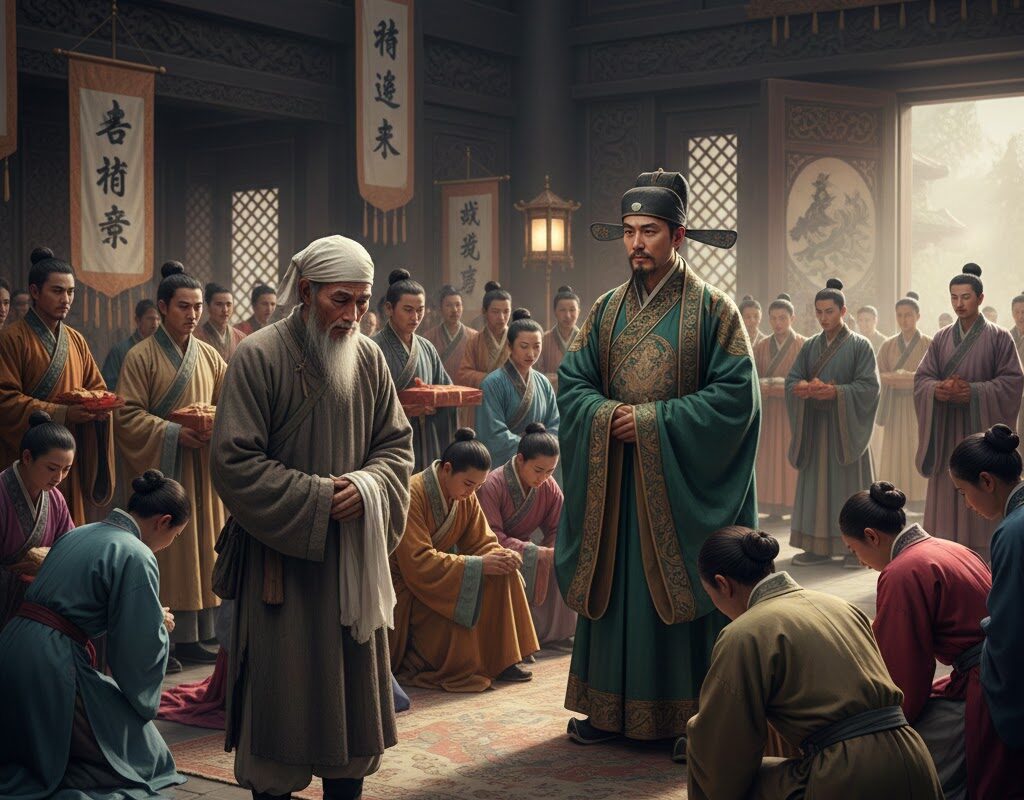
Three warnings from a man in white
When Sun Shu’ao became prime minister of the State of Chu, officials and commoners from all corners of the kingdom arrived to offer their congratulations. Of those who came, one visitor stood apart: an elderly man dressed in coarse cloth, wearing a simple white cap. He did not come to celebrate — but to offer condolences.
Sun Shu’ao straightened his robes, went out to greet him, and asked respectfully: “His Majesty, unaware of my shortcomings, has mistakenly appointed me as prime minister. Everyone else speaks words of celebration, yet you come to console. What guidance do you bring?”
The old man replied with calm seriousness: “There are three matters you must understand. If a man of noble rank becomes arrogant, the people will turn away from him. If one who holds high office abuses his power, the ruler will grow weary of him. And if a wealthy man remains endlessly greedy, misfortune will inevitably follow.”
Deeply struck by these words, Sun Shu’ao bowed and asked for further instruction. The old man continued: “The higher one’s position, the more humble one must be; the greater one’s authority, the more prudent and restrained one must act; and the more generous one’s salary, the less one should covet anything additional. Uphold these three principles firmly, and you will govern the State of Chu with stability and honor.” Sun Shu’ao was deeply moved. “I understand,” he said. “I will never forget these teachings.”
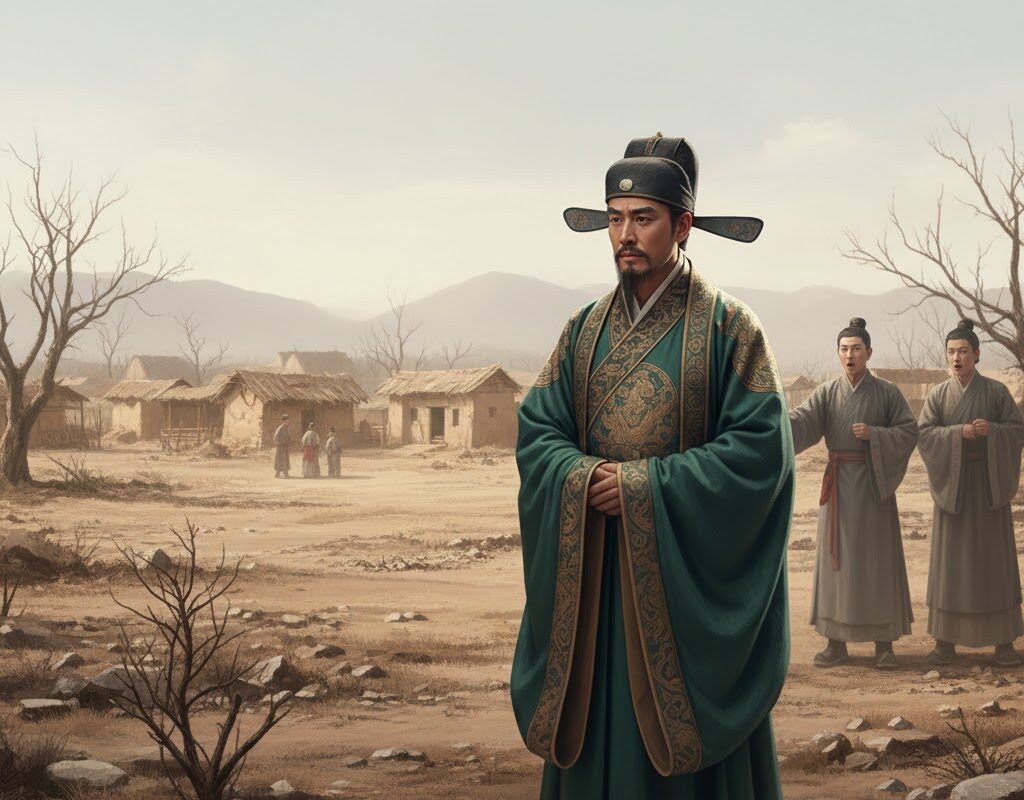
The principle of letting go
It is said that when Sun Shu’ao was later granted a fief — a piece of land given by the ruler to reward service, which he would govern and collect resources from — he did something unexpected: He chose the most barren, unprofitable land. At first glance, this decision seemed foolish. Why would anyone willingly select the poorest territory when fertile lands were available? Yet this choice reflects a more profound wisdom: the ability to give up short-term gain for long-term peace. By not competing for wealth or advantage, he avoided jealousy, conflict, and political entanglements. This clarity of heart allowed him to live out his years in peace and leave behind a respected name in history.
We encounter similar principles in our daily lives. In the workplace, those who flaunt superiority or constantly push for more — more attention, more privileges, more rewards — eventually wear out the patience of colleagues and leaders. A person who holds a high salary yet remains perpetually dissatisfied invites frustration from those around them.
On the other hand, employees who have served a long time, who are skilled yet humble, confident yet not boastful, ambitious yet not greedy — these are the people leaders rely on and respect. They bring steadiness rather than chaos. Their presence makes a team stronger, not tenser.
The lesson is profound: A life guided by contentment cultivates respect and goodwill, while restraint brings lasting stability. By placing less importance on fame and fortune, we often discover unexpected rewards and inner peace. Those who cling too tightly to wealth or status risk losing what they have, while those who embrace the wisdom of contentment build a life of enduring fulfillment.
Ultimately, the wisdom of “letting go” is not a sign of weakness or lack of ambition. It reflects a strong moral character — the ability to value peace over conflict, integrity over greed, and long-term fulfillment over fleeting rewards. Those who live by this principle leave a legacy of calm strength, earn the trust and respect of others, and move through life with purpose, honor, and enduring clarity.
Translated by Patty Zhang and edited by Tatiana Denning
Follow us on X, Facebook, or Pinterest
