

Most people have heard some version of the advice that any exercise is better than none. That is true as far as it goes. But timing also matters. The hour you choose for a workout can shape how your body responds in areas such as fat burning, sleep, muscle performance, hormone activity, and cardiovascular health.
Research has found that morning and evening exercise do not affect the body in the same way. Women often see stronger fat-loss results from morning workouts, while men often gain more cardiovascular and blood-pressure benefits from exercising later in the day. At the same time, vigorous exercise too close to bedtime can interfere with sleep.
So the question is not simply whether to exercise. It is also when.
Why the body responds differently at different times
The reason lies in the body’s internal clock, known as the circadian rhythm. This daily rhythm helps regulate body temperature, metabolism, and hormones such as cortisol, testosterone, and melatonin. Because those systems rise and fall throughout the day, the same workout can feel and function differently at different times.
In the early morning, especially around 6 to 8 a.m., cortisol is naturally higher. That helps the body wake up and also supports the use of stored energy. Body temperature is lower at that time, and if exercise takes place before breakfast, the body is more likely to draw on fat for fuel.
In the evening, body temperature is higher, and muscles tend to feel looser and more responsive. This often supports better strength output, endurance, and overall performance. But there is a tradeoff. Intense exercise late at night can raise adrenaline and cortisol, leaving the body too stimulated to settle into sleep.
In simple terms, morning exercise often works with the body’s metabolic rhythm, while late-night exercise can work against the body’s need to wind down.
Morning exercise and fat loss
For people focused on weight loss or trimming abdominal fat, the morning often has clear advantages. After a night of sleep, liver glycogen stores are lower. If you exercise before eating, the body relies more heavily on stored fat for energy.

Studies have shown that exercise before breakfast increases fat oxidation across the day, and some findings suggest that women in particular benefit from this timing. Compared with evening exercise, morning workouts have been linked to greater reductions in abdominal fat.
That does not mean everyone needs hard training at sunrise. In fact, moderate exercise often fits this window best. A brisk walk, a light jog, or a short cardio session can support fat burning without placing too much strain on the body early in the day.
For women hoping to slim their waist or improve overall body composition, morning exercise is often the stronger choice.
Sleep and recovery
Sleep is one of the biggest reasons to think carefully about evening workouts. Morning exercise helps reinforce the body clock, supports healthy nervous system function, and often leaves people more alert during the day and sleepier at night. People who maintain a regular morning exercise routine often report better overall sleep quality.
Late-night high-intensity exercise has the opposite effect. Running, HIIT, and other demanding workouts activate the sympathetic nervous system, raise heart rate, and keep the body in a more alert state. That can delay sleep, shorten sleep duration, and reduce sleep quality.
If evening is the only realistic time to exercise, the best solution is not to give it up, but to choose the right kind. Try to finish vigorous workouts at least three to four hours before bed. Later in the evening, gentler activities such as walking, yoga, stretching, or mobility work are usually a better fit.
Strength, performance, and muscle building
While morning exercise has advantages for fat loss, later-day exercise often works better for strength and performance. As body temperature rises through the afternoon and evening, muscles generally contract more efficiently, and the body becomes better prepared for demanding physical effort.
That is why many people find they lift more effectively, feel stronger, or perform better in endurance training later in the day. Evening exercise also appears to offer men particular benefits in areas such as blood pressure, metabolism, and mood.
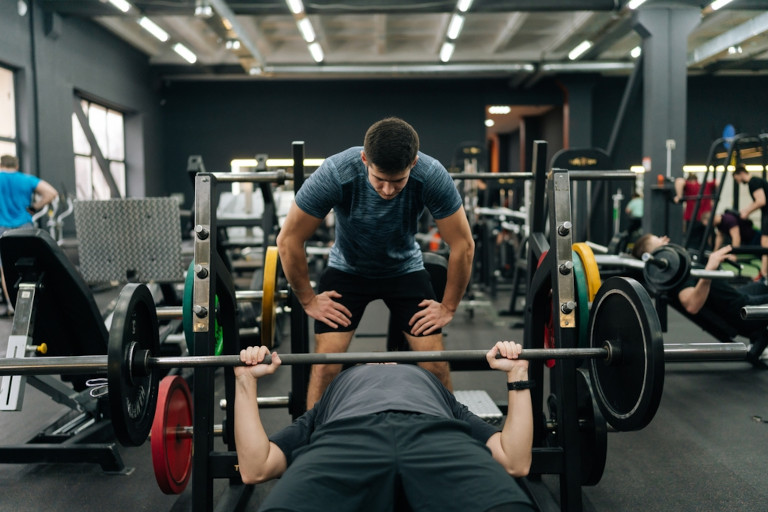
There are some gender differences here as well. Women often benefit from morning workouts when the goal is fat loss, especially in the waist, hips, and legs. Evening training can be more helpful for targeted muscle development, such as upper-body work. Men, on the whole, often perform better later in the day.
For heavy lifting or challenging strength work, the afternoon and early evening are often the most favorable windows.
Heart health and long-term consistency
Exercise later in the day can also bring broader health benefits. Some research has linked afternoon and evening exercise with lower cardiovascular risk and lower all-cause mortality, especially in men and in middle-aged and older adults.
Still, timing only helps if the routine is sustainable. Morning exercise gives many people a sense of momentum and accomplishment that carries through the day. Evening exercise can be an excellent way to release stress after work. But if it disrupts sleep, it becomes harder to maintain over time.
The best routine is the one that supports both your goals and your body’s rhythms.
Finding your own best exercise window
Morning and evening workouts are not interchangeable. Morning exercise often supports fat burning, self-discipline, and better sleep. Later-day exercise often supports strength, endurance, mood, and cardiovascular function. Each has its place.
A practical way to decide is to pay attention to how you feel. Try exercising at different times for a week and compare your energy, sleep, recovery, and motivation. The patterns usually become clear quickly.
Exercise is not a punishment. It is a way of working with your body rather than against it. Choose the right time, and each workout can do more for your health.
Translated by Audrey Wang, edited by Amanda
Follow us on X, Facebook, or Pinterest
