
In great disasters, survival sometimes appears to depend on chance. A teacher wakes early. A building is built with care. A child refuses to enter a teahouse. A clock runs slow.
But are these only accidents? Or do they point to a deeper relationship between fate, conscience, and the choices people make before disaster arrives?
The broken clock that saved a school
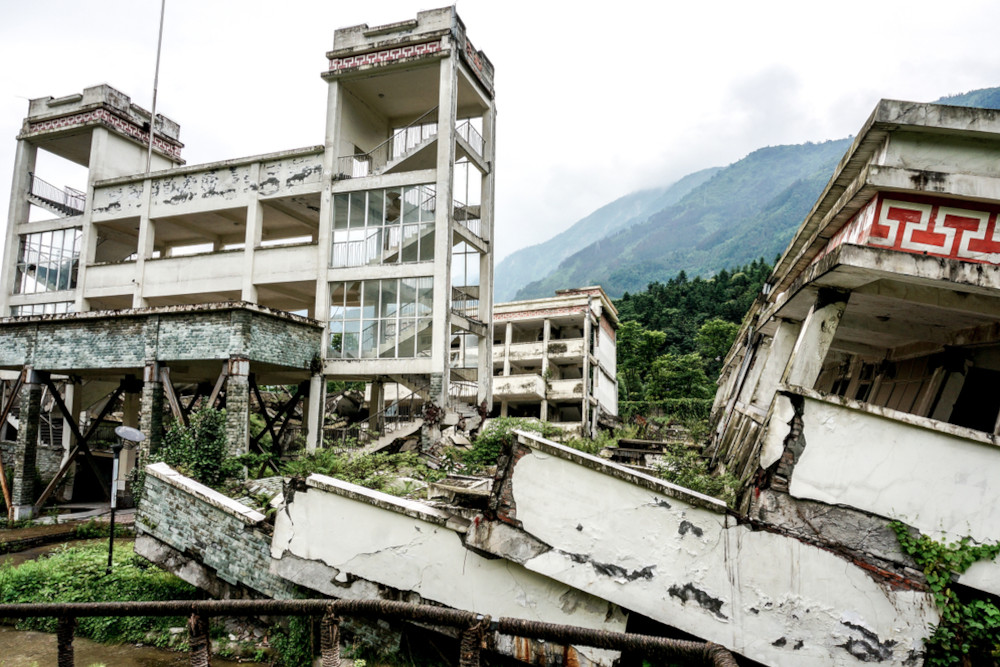
During the 2008 Wenchuan earthquake, all the classrooms at Baiguo Primary School in Dujiangyan collapsed. Yet not a single student died.
The reason seemed almost unbelievable: An old clock in the school’s reception room had been running slow.
The man responsible for ringing the school bell followed that electronic clock and did not dare change the schedule on his own. The clock had been used for more than 20 years and had recently become unreliable, sometimes running fast and sometimes slow. Repairs had not fixed the problem.
On May 12, the preparatory bell should have rung at 2:20 p.m. Beijing time, calling students back into the classrooms. But the old clock showed only 2:11. More than seven minutes later, at 2:28 p.m., the earthquake struck. On the broken clock, it was still only 2:19, so the students were still outside playing.
The classrooms collapsed, but the children were not inside.
Afterward, parents reportedly knelt before the broken clock, burned incense, and thanked it for saving their children. Some of the people responsible for the school’s construction had feared they would face angry parents. When they learned that no students had died because the clock had been slow, they were relieved.
From one point of view, this story suggests destiny. If the children were not meant to die, then even a broken clock could become the thing that saved them.
From another point of view, it raises a painful question: Why were school buildings so fragile that a broken clock had to become the hero?
Animals and warnings before disaster
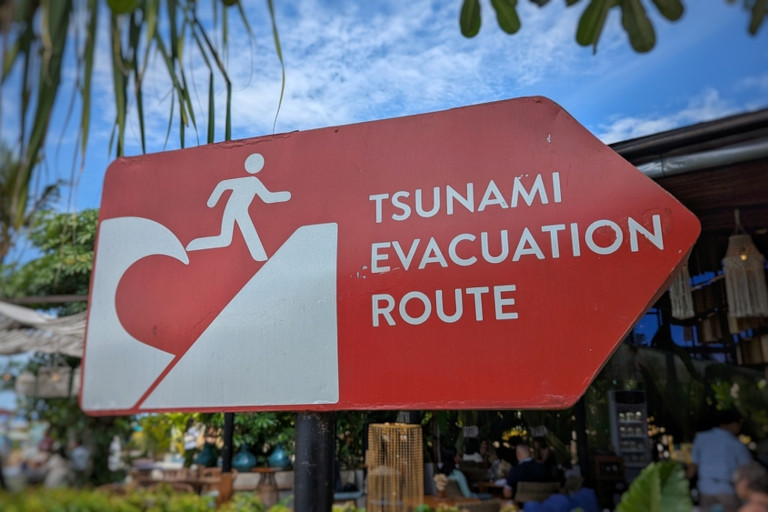
In many disasters, there are also stories of animals behaving strangely before danger arrives. After the Indian Ocean tsunami, many people were struck by reports that relatively few animal bodies were found in some affected areas. Similar observations have been made before earthquakes, tsunamis, and tornadoes: animals sometimes appear restless, flee suddenly, or change their behavior before humans recognize danger.
Modern science may explain some of this through animals’ heightened senses. They may detect vibrations, sounds, smells, or pressure changes that people cannot easily notice. Traditional thought offers another explanation: Animals may retain a kind of natural sensitivity that humans have gradually lost.
Ancient Chinese records also contain accounts of people who could understand animals.
During the Liang Dynasty in the Northern and Southern Dynasties period, there was a man named Shen Sengzhao, also known as Shen Sengzhao or Falang, who was said to communicate with animals and predict coming events. While serving as a county magistrate in Shanyin, Kuaiji, he once accompanied Prince Xiao Ji of Wuling on a hunt. Halfway through, Shen suddenly turned back.
When the prince asked why, Shen said trouble was about to break out at the border and that he needed to prepare. How could a low-ranking official know what even his superior had not yet heard? Shen explained that he had heard the message in the roar of a tiger from the southern mountains.
Not long after, a military courier arrived with urgent news that matched Shen’s account.
Another story tells of a banquet held by Prince Xiao Ji beside a pond. The sound of frogs annoyed him. Seeing this, Shen rebuked the frogs, and they immediately stopped croaking. After the banquet ended, he returned to the pond and told them they could call again. At once, the frogs began to croak.
Traditional accounts also say that Gongye Chang, a disciple of Confucius, could understand the language of birds.
Whether readers take these stories literally or symbolically, they point to an old belief: Human beings once possessed a more refined awareness, but over time, attachment to material things and reliance on external tools caused that awareness to weaken.
The condition of the heart
Some traditional thinkers believed that moral character and inner purity were connected with perception. A person with fewer selfish desires, fewer schemes, and a calmer mind might notice things that others miss.
There are also modern stories, often told by travelers and researchers, about Indigenous communities whose members seemed able to sense danger, communicate over long distances, or find one another without modern equipment. In such accounts, the explanation often returns to the same point: Their lives were simpler, their desires fewer, and their communities more closely connected.

Whether one accepts every detail or not, the moral question remains meaningful.
If people became a little kinder, a little simpler, and a little less consumed by the desire to possess and control, would they become more sensitive to danger? Would they make fewer reckless choices? Would they build safer schools, care more about children, and respond more quickly when warning signs appear?
Some disasters cannot be avoided. Earthquakes, storms, and floods may arrive without mercy. But many deaths are made worse by human negligence, corruption, indifference, or greed. A strong building, a responsible teacher, an honest supervisor, or even a moment of alertness can become the difference between life and death.
Perhaps survival in disaster is not explained by fate alone or human action alone. Perhaps the two meet in ways we do not fully understand.
What can be said with certainty is this: Conscience matters. Responsibility matters. The choices people make long before danger arrives may decide what happens when the earth begins to shake.
See Part 1 here
Translated article
Follow us on X, Facebook, or Pinterest
