
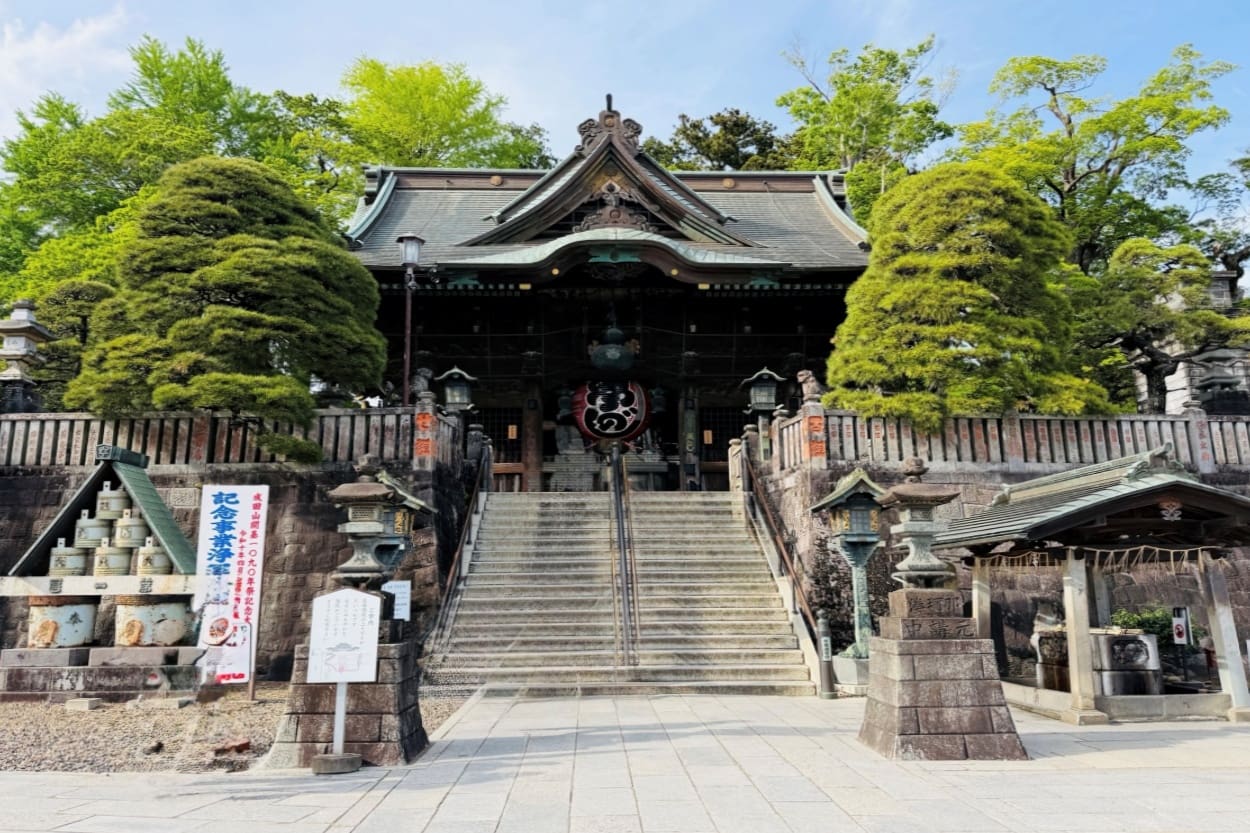
Located in Narita City, Chiba Prefecture, just minutes from Narita International Airport, Naritasan Shinshoji Temple stands as one of Japan’s most revered and historically significant Buddhist temples. Founded in A.D. 940, this vast spiritual complex has welcomed pilgrims and travelers for more than a thousand years and today attracts over 10 million visitors annually.
Blending spirituality, history, architecture, and nature, Naritasan offers visitors a profound glimpse into the heart of traditional Japan and remains a powerful symbol of the nation’s enduring Buddhist heritage.
A sacred pilgrimage site for millions
Naritasan Shinshoji Temple is especially famous for Hatsumode, the traditional Japanese New Year pilgrimage. During the first few days of each year, more than 3 million worshippers visit the temple to pray for health, happiness, safety, prosperity, and success in the year ahead, making it the second most visited spiritual destination in Japan.
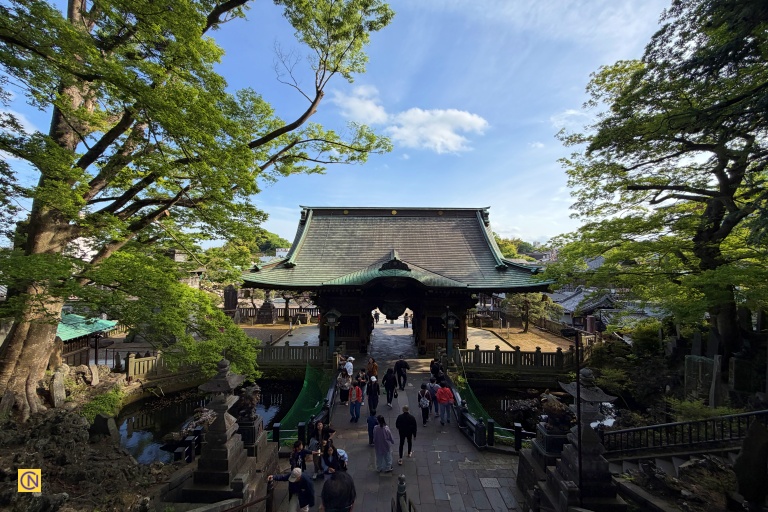
For centuries, people from all walks of life have come here seeking blessings, inner peace, and spiritual renewal beneath the compassionate protection of Fudo Myoo, the temple’s principal deity and guardian Wisdom King of Esoteric Buddhism.
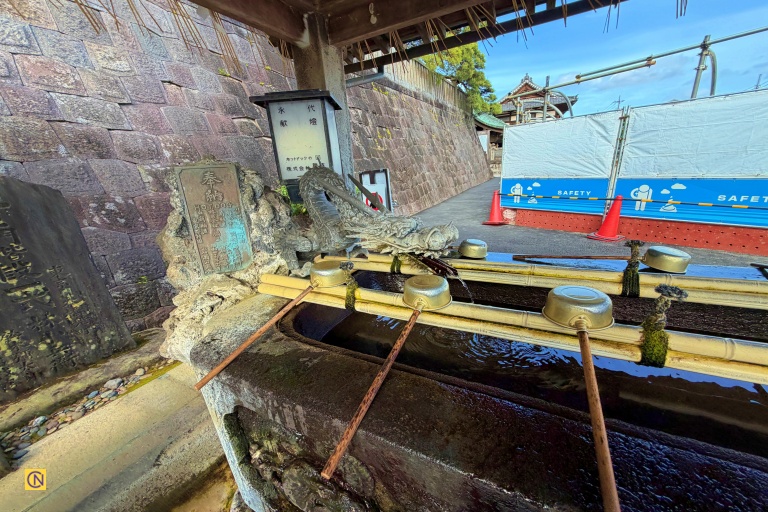
The Chozuya Purification Pavilion
Near the entrance stands a traditional Chozuya (purification pavilion), where visitors ritually cleanse their hands before entering the sacred temple grounds. Featuring an elegant dragon-shaped fountainhead symbolizing purification and spiritual renewal, the pavilion also contains a curious stone tablet engraved with the English words “HOT DOG” beside traditional Japanese inscriptions. According to local stories, it was donated during the Showa era by a successful hot dog vendor in gratitude for blessings received from the temple, creating a unique and charming blend of modern Western culture and ancient Japanese spirituality.
Donor and dedication stones
Along the steep stone stairways and wooded hillsides of Naritasan Shinshoji Temple stand numerous stone monuments known as Hōnō-hi. These votive and commemorative stones were donated over many generations by worshippers, local merchants, businesses, and community organizations.
Many of the stones are engraved with donors’ names, prayers, and records of contributions to the temple. Others honor important historical events, temple renovations, or notable figures connected to Naritasan’s long history. Together, they reflect centuries of faith, gratitude, and community support woven into the temple’s peaceful natural surroundings.
The heart of Naritasan: Daihondo Main Hall
At the spiritual center of the complex stands the Daihondo Main Hall, rebuilt in 1968 and dedicated to Fudo Myoo.
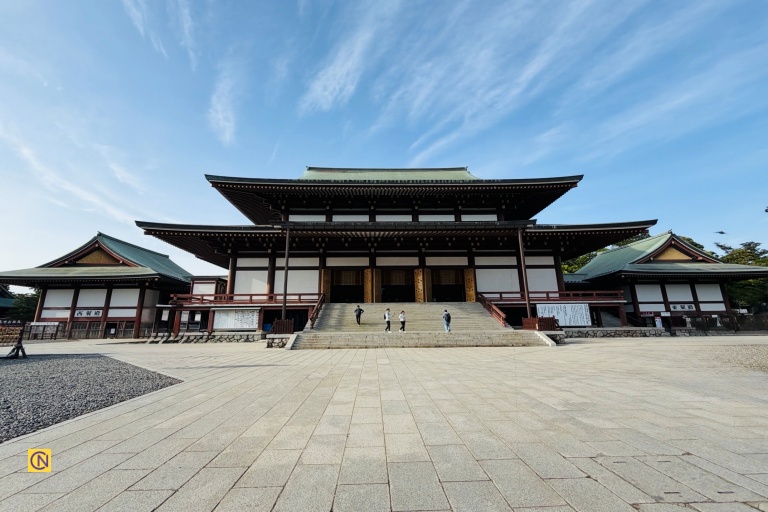
The hall is best known for its sacred Goma fire rituals, one of the temple’s most important Buddhist ceremonies. During these rituals, wooden prayer sticks inscribed with worshippers’ wishes are burned in holy flames, symbolizing purification, protection, and spiritual strength while carrying prayers to the deity.
Many visitors come to pray for good fortune, safe travels, academic success, harmonious relationships, and business prosperity.
Historic architecture and cultural treasures
Covering approximately 220,000 square meters, the temple grounds feature peaceful gardens, ancient pathways, and numerous historic structures. Among them are the following five historical structures built during the Edo period that were collectively deignated as Important Cultural Properties of Japan in 1980.
Niomon Gate (仁王門)
Rebuilt in 1831, this impressive gate serves as the grand entrance to the temple’s inner grounds and is guarded by two fierce Nio guardian statues. A massive red lantern inscribed with the words “Uogashi” (魚がし) hangs at its center, welcoming visitors with a powerful and solemn spiritual atmosphere.
Three-Story Pagoda (三重塔)
Built in 1712, this breathtaking 25-meter-tall pagoda is renowned for its vibrant vermilion exterior and brilliant gold-leaf decorations. Its outer walls feature masterful wood carvings of the Sixteen Arhats, while the interior enshrines the Five Wisdom Buddhas, perfectly preserving the flamboyant artistry of the mid-Edo period.
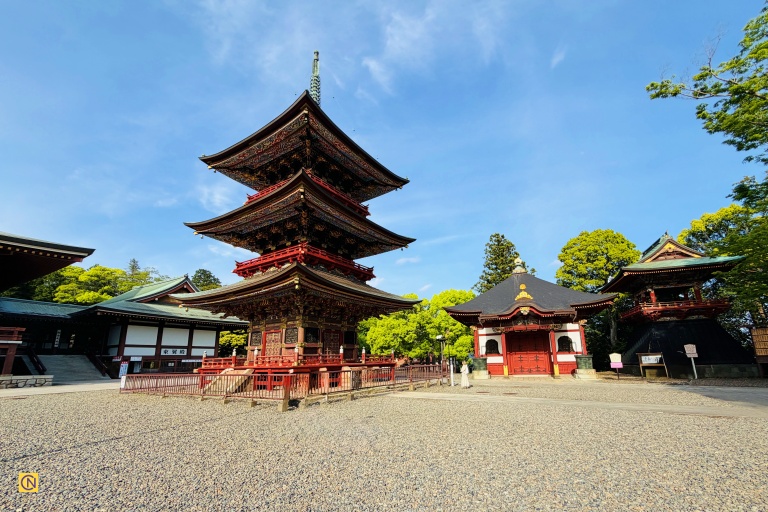
Shakado Hall (釋迦堂)
Constructed in 1858, this structure served as the temple’s previous Main Hall before being relocated to its current site in 1964. It is dedicated to Shakyamuni Buddha and is widely celebrated for its intricate exterior reliefs, which beautifully depict the Five Hundred Arhats and twenty-four paragons of filial piety.
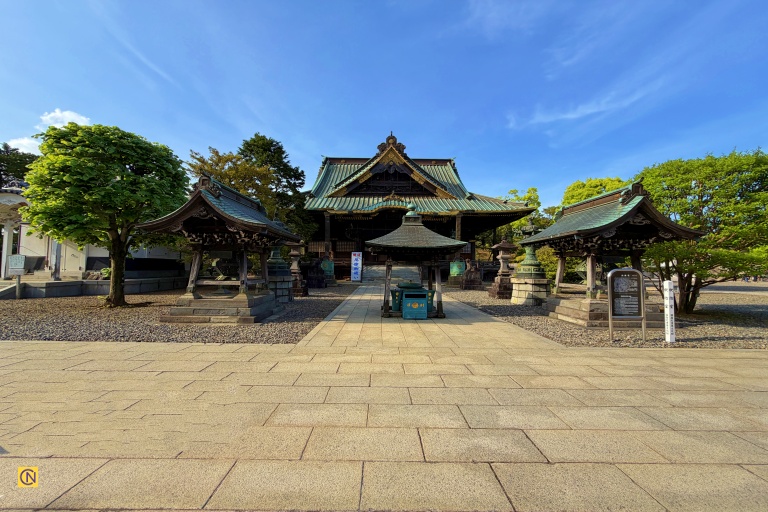
Komyodo Hall (光明堂)
Dating back to 1701, this is the oldest of the five designated structures and served as the temple’s main hall prior to the construction of Shakado. Today, it enshrines Dainichi Nyorai (the Supreme Buddha) alongside Ragaraja (the deity of love), making it a highly popular spot for visitors praying for marriage and good relationships.
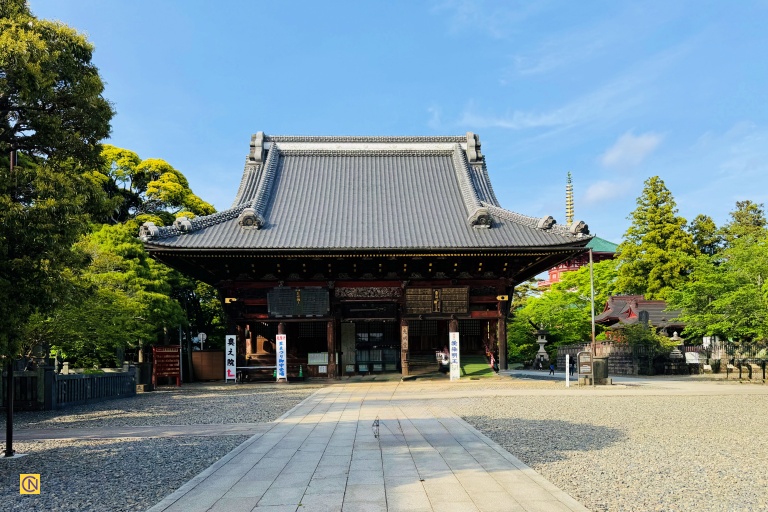
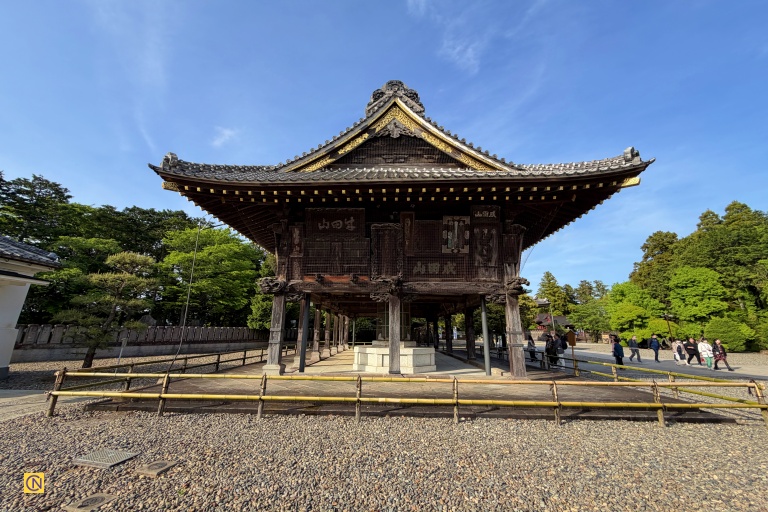
Gakudo Hall (額堂)
Erected in 1861, this open-walled pavilion was built specifically to display Ema (votive picture tablets) and decorative plaques dedicated to the temple by worshippers over the centuries. It offers a fascinating open-air gallery where visitors can admire rare Edo-period
Besides, the Great Peace Pagoda, completed in 1984, was built as a symbol of world peace, compassion, harmony, and hope for future generations. Blending modern Buddhist architecture with the temple’s historic surroundings, the pagoda stands as a spiritual beacon dedicated to universal peace and human unity. Inside, visitors can enjoy quiet meditation spaces, sacred Buddhist artworks, and panoramic views overlooking Narita City and the surrounding countryside, creating a serene atmosphere for reflection and contemplation.
Follow us on X, Facebook, or Pinterest
