

Have you ever walked into a room only to suddenly forget what you went there to get? Or the word right on the tip of your tongue, yet you simply couldn’t recall it? In the fast-paced rhythm of modern life, “forgetfulness” seems to have become the norm for many people. Some attribute this to aging or excessive stress. However, the truth is that the brain — much like any other organ in the body — requires specific “nutritional fuel” to maintain peak performance.
The quality of one’s memory depends largely on the speed at which brain neurons connect, as well as the overall health of the cerebral cortex. If you wish to escape the predicament of being “absent-minded,” the most direct and effective approach — beyond getting adequate sleep and engaging in moderate mental exercise — is to start with your “diet.”
3 foods that have been scientifically proven to boost brain health
1. Deep-sea fish
If you are looking to enhance your memory, your primary focus should be on Omega-3 fatty acids. Deep-sea fish — such as salmon, mackerel, saury, and sardines — are among the very best sources available.
Approximately 60% of the human brain is composed of fat. Among these fats, DHA (docosahexaenoic acid) stands out as a crucial Omega-3 fatty acid, predominantly found within the brain’s gray matter. DHA works by increasing the fluidity of neuronal cell membranes, thereby facilitating faster, more precise transmission of neural signals. Simply put, Omega-3 acts as a “lubricant” for the brain. They help reduce inflammation, prevent cognitive decline, and effectively boost both learning capacity and short-term memory.
It is recommended that you consume deep-sea fish 2 to 3 times per week. If you are not fond of fish, you may opt for high-quality fish oil supplements instead. When cooking, it is advisable to use methods such as steaming or low-temperature baking, while avoiding high-temperature frying, to preserve the nutritional value of these unsaturated fatty acids.
2. Dark berries
Dark-colored berries — such as blueberries, strawberries, and blackberries — are not only delightfully sweet and sour but also serve as a natural “tonic” for the brain. Dark berries are rich in “anthocyanins,” a powerful class of antioxidants. During its operation, the brain generates free radicals. Their long-term accumulation leads to oxidative stress, damaging nerve cells and contributing to memory decline.
Anthocyanins can cross the blood-brain barrier, entering the brain directly to scavenge free radicals and reduce inflammatory responses. Studies indicate that regular consumption of berries improves cerebral blood flow and strengthens connectivity within the hippocampus, the brain’s core region responsible for memory, thereby accelerating memory retrieval.
Berries are best consumed fresh and raw, or added to plain yogurt or oatmeal for breakfast. A small handful (approximately 100–150 grams) daily is sufficient to achieve optimal results. Remember to choose fresh or frozen unsweetened berries to avoid excessive added sugar intake, as a high-sugar diet can impair memory function.

3. Nuts and seeds
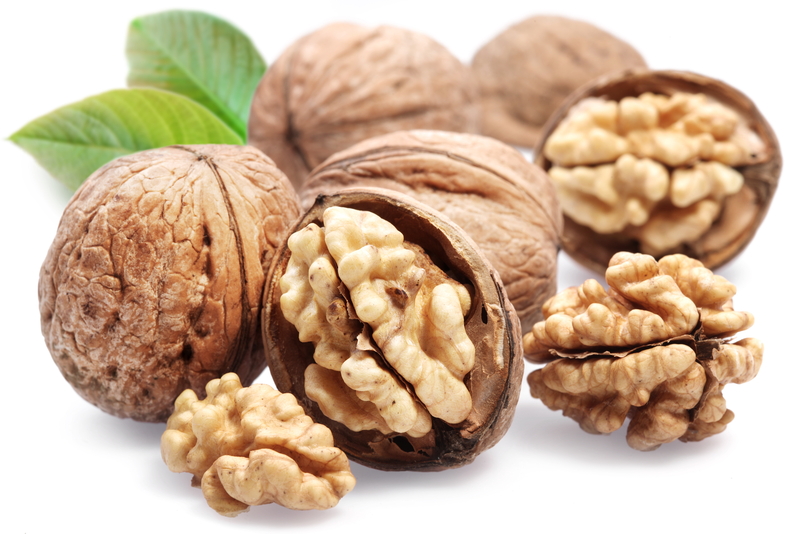
Walnuts, almonds, and pumpkin seeds are hailed as “energy powerhouses” for the brain. Nuts and seeds provide a comprehensive blend of nutrients essential for brain function:
- Vitamin E: A potent antioxidant that protects cell membranes from free radical damage and helps delay brain aging.
- Healthy fats: Provide a steady supply of energy, helping to maintain focus and concentration.
- Zinc and Magnesium: Pumpkin seeds are rich in zinc, which promotes the synthesis of neurotransmitters, while magnesium helps relax the nervous system and improves sleep quality — and deep sleep is a critical period for memory consolidation.
Since nuts are relatively high in calories, it is recommended to limit daily intake to approximately 30 grams (about one small handful). Plain, unsalted, and unsweetened roasted nuts are a good way to avoid excessive sodium and trans fat intake. You can enjoy them as an afternoon snack or sprinkle them over salads to add texture.
Comprehensive dietary recommendations
While the three food groups mentioned above offer significant benefits, enhancing memory cannot rely solely on a single food item. Rather, it requires a holistic dietary strategy. In addition to deep-sea fish, berries, and nuts, you can also try adopting the following habits:
- Limit your intake of refined sugar: High blood sugar levels can lead to brain inflammation. A long-term high-sugar diet can cause “brain fog,” slowing down your reaction times.
- Stay adequately hydrated: The brain is highly sensitive to dehydration. Even mild dehydration can impair concentration and short-term memory.
- Ensure sufficient intake of B-complex vitamins: Whole grains (such as brown rice and oats) and dark leafy greens provide Vitamin B12 and folate, which help prevent brain atrophy.
Translated by Patty Zhang and edited by Amanda
Follow us on X, Facebook, or Pinterest
