
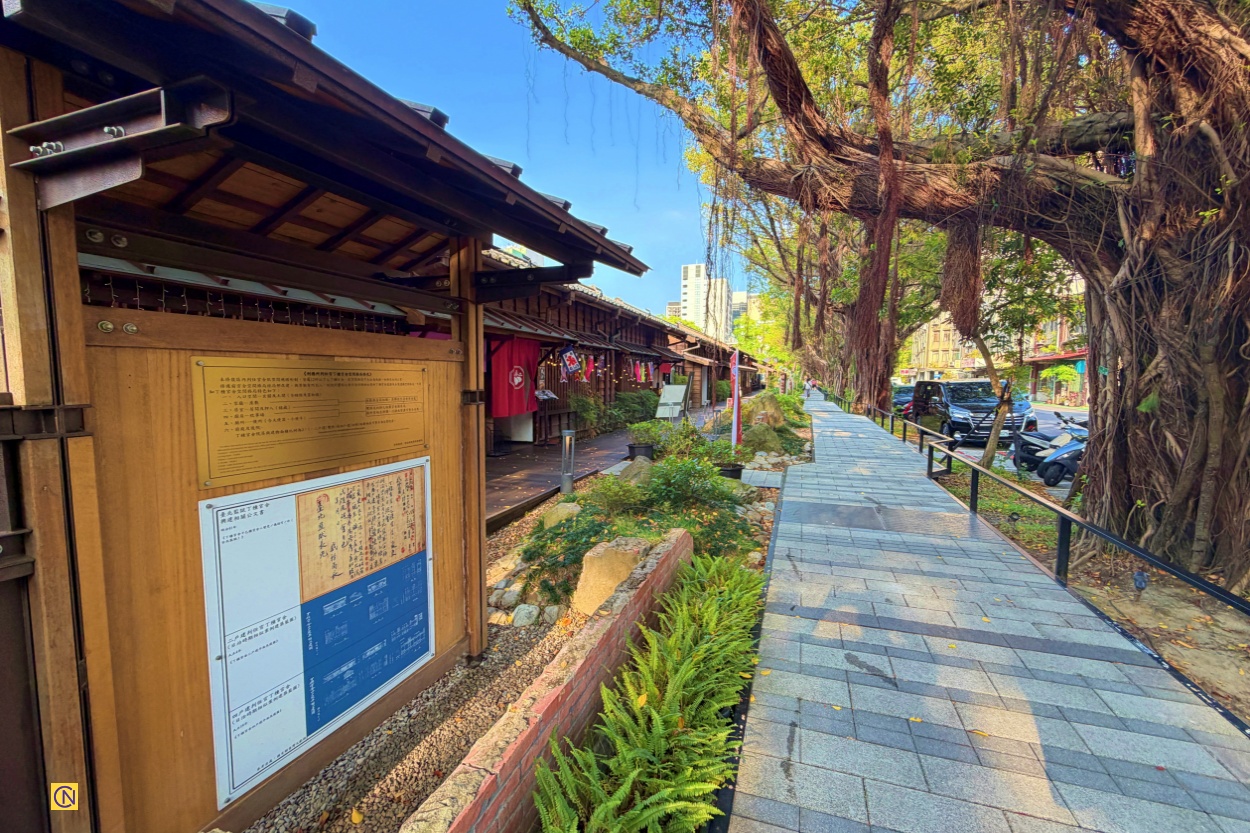
Taipei Rongjin Time Park, nestled in Taipei’s Da’an District and within walking distance of Dongmen MRT Station, Yongkang Street, and Chiang Kai-shek Memorial Hall, has become one of the city’s most charming cultural destinations. Combining historic architecture, lush greenery, and lifestyle attractions, the park offers visitors a unique opportunity to experience Taipei’s past while enjoying the comforts of modern urban life.
The meaning behind ‘Rongjin Time’
The name “Rongjin Time (榕錦時光)” reflects the identity and history of the site. “Rong (榕)” refers to the majestic banyan trees preserved throughout the park, symbolizing vitality and the passage of time. “Jin (錦)” comes from the Chinese name of Jin’an Village, the neighborhood where the park is located, and also conveys prosperity and beauty. “Time” represents the memories, stories, and historical legacy embedded in the site. Together, the name captures the spirit of preserving history while embracing renewal.
A historic legacy of Taipei Prison
The park was originally built as a residential compound for officials of Taipei Prison during the Japanese colonial era. These Japanese-style wooden residences formed part of a modern prison complex and served as homes for prison staff and their families. Over the decades, the buildings witnessed Taiwan’s transformation through different historical periods, including Japanese rule and the post-war era.
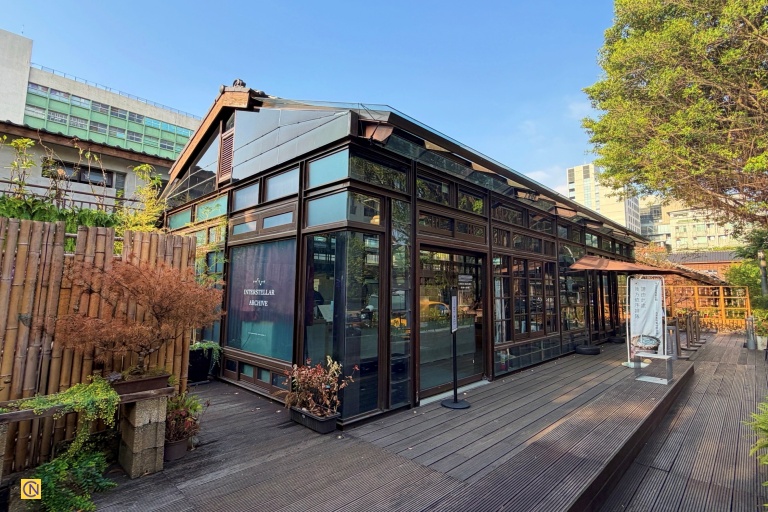
After World War II, the area became part of the staff housing associated with Taipei Prison and later evolved into the Huaguang Community (華光社區). As urban redevelopment plans emerged, the historic neighborhood faced the threat of demolition. Thanks to the efforts of preservationists and local communities, the Taipei City Department of Cultural Affairs designated the residences and surrounding prison wall remains as protected heritage sites in 2013, ensuring the preservation of this important cultural landscape.
Breathing new life into old houses
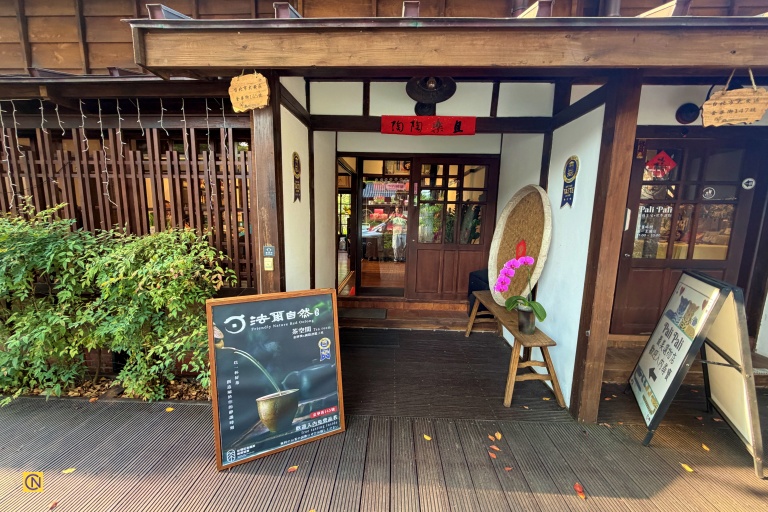
Following years of restoration and adaptive reuse, the park officially reopened in 2022. The project carefully preserved the original Japanese-style architecture, bathhouse structures, and garden layouts while introducing new functions that allow the site to serve contemporary needs.
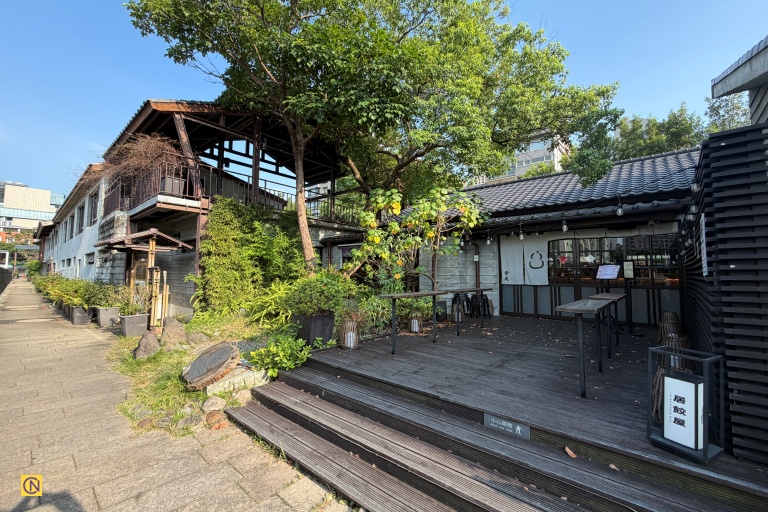
Today, the restored buildings house cafés, tea houses, restaurants, and creative cultural businesses. Visitors can enjoy local cuisine, tea, and coffee while surrounded by architecture that reflects more than a century of history. The transformation of the former residences into a vibrant community space has become a successful example of heritage conservation and urban renewal in Taipei.
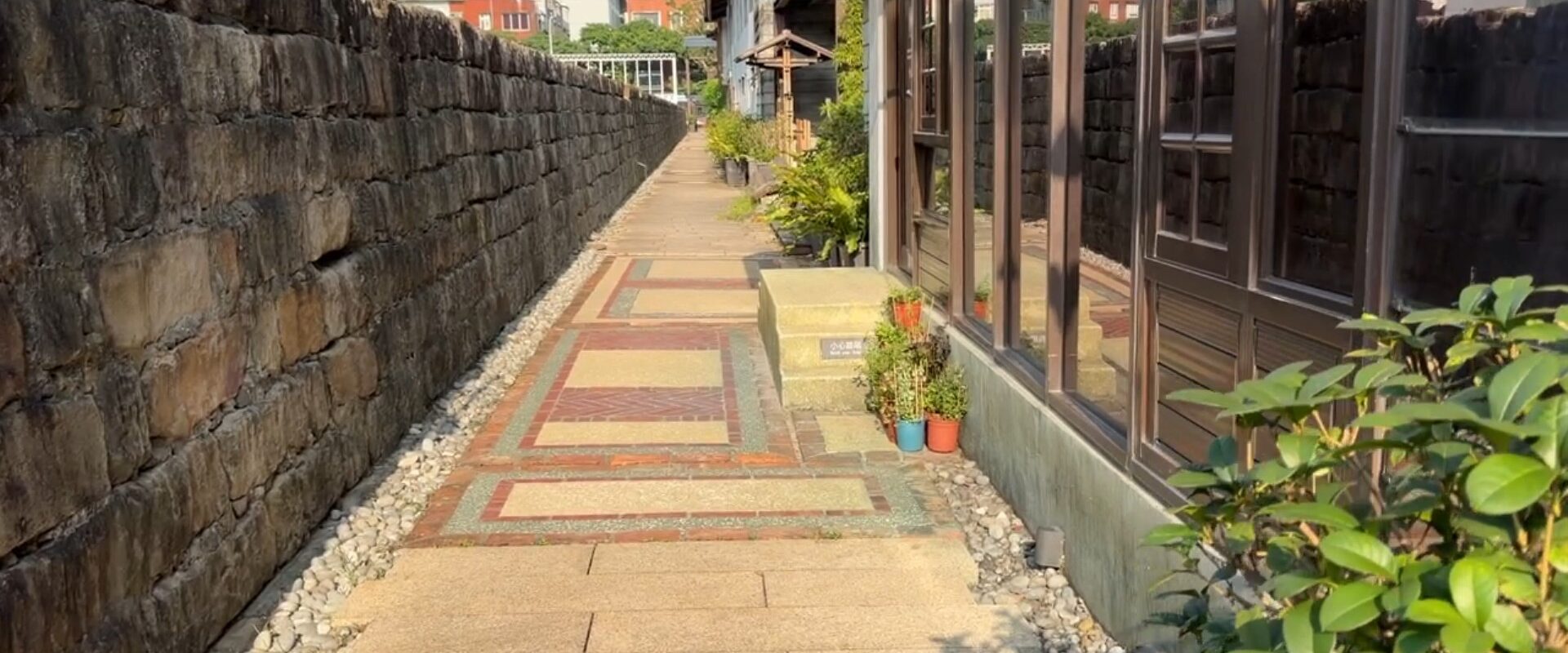
A green oasis in the heart of the city
One of the park’s most distinctive features is its collection of mature banyan trees. Their expansive canopies provide shade and tranquility, creating a peaceful atmosphere that contrasts with the bustling city beyond.
As sunlight filters through the branches onto the historic wooden buildings, visitors can stroll through the gardens, relax in outdoor seating areas, and appreciate the harmonious blend of nature and architecture. The park offers an inviting setting for photography, cultural exploration, or simply a quiet afternoon retreat.
A new landmark connecting history and modern life
From its origins as a prison official’s residential compound to its rebirth as a cultural lifestyle park, Taipei Rongjin Time Park demonstrates how historic spaces can be revitalized for future generations. More than a collection of restored buildings, it is a place where history, culture, nature, and community come together.
Today, Rongjin Time Park stands as a symbol of successful heritage preservation in Taipei, inviting visitors to step into a living story where old houses find new life and the past continues to inspire the future.
Follow us on X, Facebook, or Pinterest
