
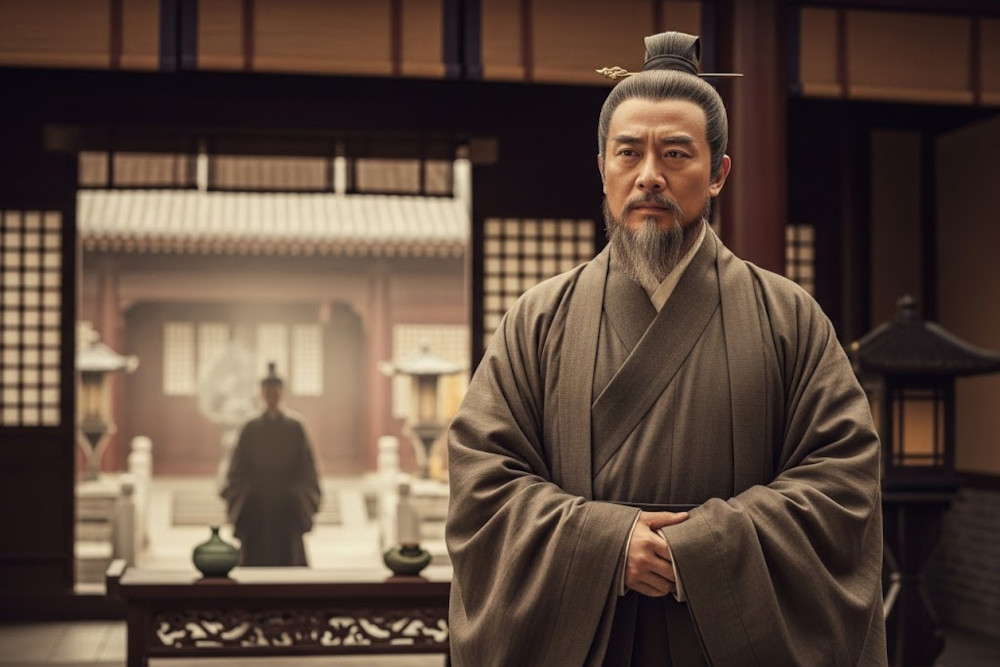
Duke Zhuang of Wei had three sons. The eldest was kind and virtuous, the second known for his courtesy, but the youngest — Zhouyu — was arrogant and spoiled. Born to the duke’s favored concubine, Zhouyu was showered with indulgence and rarely had justice meted out.
One official, a senior minister named Shiqi, found Zhouyu’s behavior intolerable. Upright and principled, Shiqi repeatedly urged the duke to correct his son, but his words fell on deaf ears.
Shiqi’s own son, Shihou, often ran with Zhouyu and took part in his reckless behavior. When Shiqi discovered this, he scolded Shihou harshly. But instead of changing, Shihou fled to Zhouyu’s household and never returned. With no other choice, Shiqi resigned from his position and withdrew from public service.
A brother’s betrayal
After Duke Zhuang’s death, his eldest son Ziwan took the throne as Duke Huan of Wei. But Duke Huan was timid by nature and lacked the strength to rein in his younger brother. Emboldened, Zhouyu began plotting to seize the throne by force.
When Duke Huan made plans to travel to Luoyi, Shihou advised Zhouyu that the time was ripe. “We can ambush him and kill him on the road,” he said. “If anyone resists, we’ll kill them too.” Zhouyu agreed and put Shihou in charge of setting the trap, while he hosted a farewell banquet for the unsuspecting duke.
During the banquet, Duke Huan, touched by what he believed was his brother’s affection, raised a cup to him. As the duke turned away, Zhouyu pulled a short sword from his sleeve and stabbed him from behind. The duke collapsed and died shortly after. When his guards tried to act, the ambush sprung by Shihou’s men forced them into silence.
With Duke Huan dead, Zhouyu took the throne. The second brother, realizing he was in danger, fled to another state that same night.
A troubled ruler turns to war
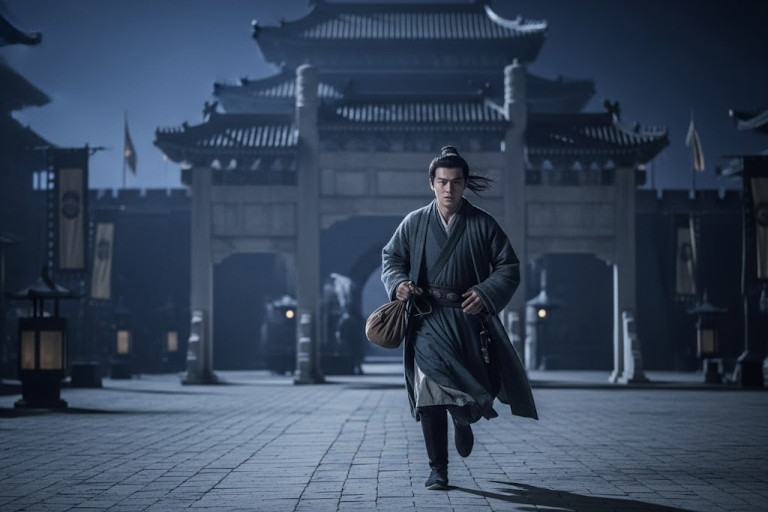
To reward Shihou, Zhouyu appointed him to a top ministerial post. They claimed the duke had died of illness, but rumors quickly spread. The people of Wei, who had never respected Zhouyu, now despised him. Neighboring states viewed him as cruel and dishonorable.
Seeking to restore his image, Zhouyu again consulted Shihou, who proposed a military campaign to assert dominance and stifle internal dissent. In 719 BC, Zhouyu led a coalition against the Zheng State. The opposing ruler, Duke Zhuang of Zheng, ordered his son Lu to feign defeat so that Zhouyu could claim a symbolic victory. Zhouyu returned home pleased, believing he had secured the respect he craved — but the people remained unmoved.
Shihou then suggested enlisting someone of high moral standing to lend legitimacy to Zhouyu’s rule. The one name that came to mind was Shiqi.
The loyal minister’s quiet defiance
Shiqi, once a respected statesman, had retired in dismay years earlier. Though his son Shihou was part of Zhouyu’s inner circle, Shiqi had refused any association with the corrupt new regime.
Still, Shihou gathered gifts and returned home, hoping to win his father over. But Shiqi refused to speak to him. When Shihou tried again, this time asking for advice on how to govern, Shiqi gave him a plan — not to help, but to trap them both.
He suggested they travel to the royal court and seek formal recognition from the Son of Heaven, the Zhou emperor. “If he refuses to meet you,” Shiqi added, “ask Lord Chen to speak on your behalf — he’s favored by the emperor.”
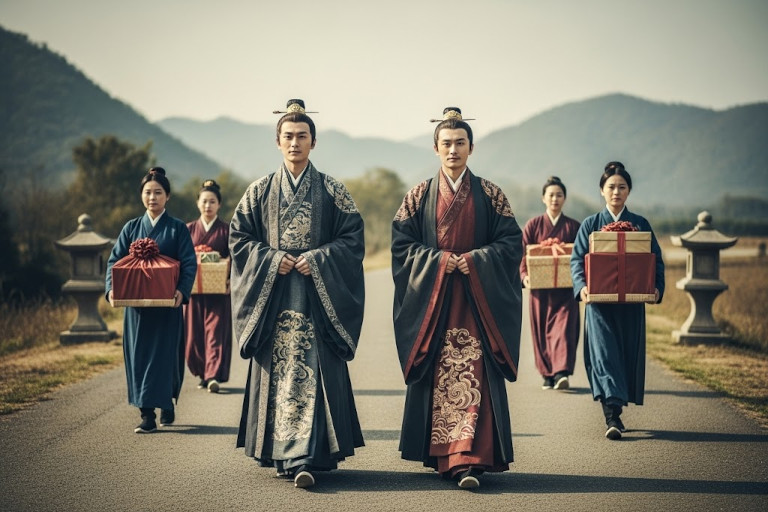
Zhouyu and Shihou, unaware of the setup, followed the advice and journeyed to Chen State with lavish gifts. As soon as they departed, Shiqi sent a letter to his old friend Zizhen, a minister in Chen, revealing Zhouyu’s crimes and begging for justice.
Justice served, even at great cost
When the two arrived, they were welcomed into the Grand Ancestral Temple, where a sign read: “Those who are disloyal as subjects and unfilial as children may not enter.” Zhouyu and Shihou hesitated, but tried to maintain their composure — until Zizhen appeared, declaring loudly: “By order of the Son of Heaven, seize these disloyal traitors!”
Guards rushed in and bound them.
Zizhen then read aloud Shiqi’s letter, exposing the plot. Too late, the two men realized they had walked into a trap.
Lord Chen, unsure how to proceed, chose not to execute them immediately. Instead, he returned them to Wei, leaving their fate in Shiqi’s hands.
Despite public pleas for mercy — especially for Shihou, who was still young and not the mastermind — Shiqi stood firm. “What parent doesn’t love their child?” he said through tears. “But my son abetted Zhouyu’s crimes. He played a role in every one of them. I cannot pardon him simply because he is my son.”
And with that, he ordered his son’s execution.
A legacy of integrity
Though his heart broke, Shiqi upheld the principles he had always lived by. His willingness to sacrifice personal ties for the greater good became a timeless example of moral courage — and earned him a place in history as a man who put justice above kinship.
Translated by Joseph Wu
Follow us on X, Facebook, or Pinterest
