
For the last five decades, the number of people with obesity has more than tripled, according to World Obesity. If you’ve ever seen clips of people at the beach from the 1950s, ‘60s, and ‘70s, you can see that people’s bodies were different back then. Fast forward to 2022, 43 percent of adults were overweight, while 16 percent were living with obesity, as reported by the World Health Organization (WHO). This translates to about 2.5 billion people who are overweight and 890 million living with obesity worldwide.
Worse still, more and more kids under the age of five are being reported as overweight. And these grim numbers are expected to worsen by 2030. But what if the secret to better health wasn’t hiding in a strict diet plan or the latest supplement, just in true-and-tested eating habits around the world?
Worldwide, people have developed healthy eating habits that not only reflect their culture and environment but also promote longevity, balance, and overall well-being. Researchers have found that these individuals have longer lifespans and fewer age-related illnesses, and their habits may hold the key to improving your relationship with food.
9 global eating habits for healthy living
1. Japan
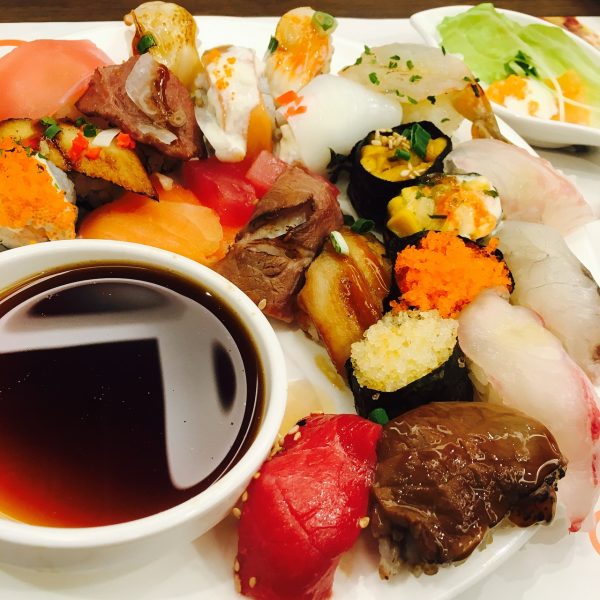
Okinawa, Japan, is home to some of the world’s oldest living people. Their secret? Hara hachi bu, roughly translated to eating until you’re 80 percent full. It’s an eating habit that prevents overeating and gives the body time to process fullness. Japanese cuisine is also known for its colorful variety. Consider a combination of healthy ingredients, such as seafood, green seaweed, orange carrots, purple sweet potatoes, and white tofu, which provides a wide range of nutrients.
Remember, while Japanese meals are generally healthy, be cautious when consuming fish high in mercury, such as swordfish or tuna, as it can cause harm to the nervous system over time.
2. China
In traditional Chinese meals, chopsticks are an easy way to avoid overeating. They naturally slow your eating, giving your brain time to register fullness. Also, healthy soups (with herbs, veggies, and lean meats) are a crucial part of Chinese cuisine, improving digestion and boosting your immune system. Additionally, consider green tea or jasmine tea for their benefits to metabolism and hydration.
However, avoid “urbanized” Chinese food, such as deep-fried orange chicken and sugary sauces, which pack in excess calories, sodium, and unhealthy fats, thereby canceling out the health benefits of a traditional Chinese meal.
3. France
The French are renowned for their rich, flavorful cuisine, featuring staples such as cheese, wine, bread, and creamy sauces. Yet they have relatively low obesity rates. This is known as the “French Paradox.” That’s because they’ve mastered the art of small portions, mindful eating, and making eating a slow, social experience. In short, they truly savor their food, rarely eating in a rush.
Still, it’s advisable to limit pastries like croissants or pain au chocolat. Don’t make them daily staples because too many buttery baked goods can add up quickly. Enjoy them occasionally to maintain a heart-healthy and balanced lifestyle.
4. Italy
Like the French, Italians are masters of enjoying their food without overindulging. Meals center around fresh, seasonal ingredients like ripe tomatoes, olive oil, leafy greens, and whole grains. Enjoying a glass of wine with dinner is also a common practice, and red wine is often associated with heart health when consumed in moderation.
You can’t mention Italy without mentioning pizza. But traditional Neapolitan pizza has a thin crust, light cheese, and simple toppings. This is far healthier than greasy takeout versions. Also, avoid overindulging in pasta, wine, or pizza. Moderation is key, and skipping store-bought, processed Italian-style meals helps maintain the habit’s truly Mediterranean authenticity.
5. India
Indian cuisine features a diverse array of spices, including turmeric, cumin, ginger, and red pepper, that help combat inflammation, lower cholesterol, and boost the immune system. Most households also have a habit of starting their day with warm water, lemon, and spiced tea to gently wake the digestive system. Additionally, vegetarians can draw inspiration from Indian cultures, which often follow a predominantly vegetarian diet rich in lentils, legumes, and fresh vegetables, offering numerous plant-based health benefits.
Although Indian meals can be nutritious, the heavy use of creamy sauces, ghee, and coconut milk — especially in restaurant curries — can contribute to the accumulation of saturated fat and calories. Dietitians recommend home-style versions to maintain a balanced meal.

6. Spain
Spain is renowned for its Mediterranean-style diet rich in seasonal vegetables, fish, beans, and olive oil. This cuisine has played a significant role in Spain’s high life expectancy and healthy aging.
Also, you can try incorporating Spanish tapas, which are small, savory “appetizers” traditionally served in bars alongside drinks, designed for sharing and promoting social interaction. Tapas usually consist of vegetables, lean protein, and sometimes bread, and are meant to be eaten in just a few bites.
However, limit fried tapas, such as croquettes or chorizo-heavy dishes. Healthy portions, combined with the social aspect of sharing Spanish cuisine, encourage mindful eating, deeper connections, and a natural approach to eating.
7. Korea
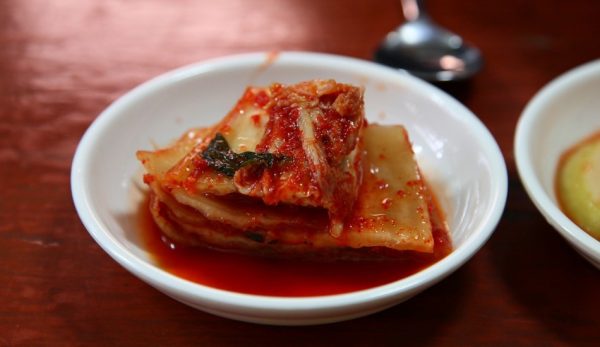
Like Japan, Korean dishes are centered around balance. Typically, every plate includes rice, vegetables, protein, and fermented side dishes, such as kimchi. Fermented foods are a healthy addition that support gut health, digestion, and immunity, as they contain natural probiotics. Meals are usually homemade, and eating is also a shared, family-style, social affair.
Remember, some fermented foods can be high in sodium. Also, avoid overeating Instant ramen, fried street foods, and sugary marinades.
8. Ethiopia
Some parts of Ethiopia have a vegan-friendly culture throughout the year, primarily influenced by Orthodox Christianity. They refrain from eating meat and dairy products on Wednesdays and Fridays, as well as during the Easter fasting periods. Instead, these religious traditions promote a mostly plant-based diet, rich in lentils, chickpeas, greens, and spicy stews.
Ethiopia is also known for injera — a sour, spongy flatbread made from nutrient-packed teff — used in place of a utensil to scoop stew into your mouth and mop up any remaining bits. Additionally, for those who prefer meat, you can opt for flavorful, protein-rich dishes like doro wat (a spicy chicken stew) or sega wat (a beef stew).
However, be mindful of the heavy use of oil or clarified butter (niter kibbeh) in some dishes. Additionally, using injera to scoop food from a large shared platter can make it difficult to gauge how much you’re eating, so it’s advisable to put individual portions on your plate.
9. Nordic countries
Unlike Mediterranean countries, Nordic countries are known for their colder climates. Countries like Sweden and Norway focus on simplicity and freshness. Traditional Nordic cuisine features whole grains, such as rye, oily fish like salmon and herring, root vegetables, and antioxidant-rich berries. These are fast-filling meals meant to provide nourishment and warmth without overeating.
This eating style is often paired with friluftsliv — a cultural appreciation for the outdoors that encourages daily physical activity. Still, if you’re trying this diet, limit processed versions of Nordic foods, like sugary rye crisps or cream-heavy sauces. Stick to whole, seasonal ingredients for the full benefit.
Conclusion: Personalizing your healthy diet
You don’t have to live in Okinawa, adopt every Mediterranean dish, or walk through the snowy Swedish forests to enjoy better health. The real takeaway from these global eating habits is not just what, but how. The common concept of healthy eating habits includes eating slowly, eating with others, savoring small portions, and favoring boiling or steaming over frying. And variety is your friend, whether it’s Greek seafood, Thai herbs, or Ethiopian lentils.
At its core, healthy living isn’t about strict rules or cutting out joy. It’s about balance. Pair real food with genuine connection, move your body daily, and give your meals the time and attention they deserve.
As we’ve seen across blue zone cultures worldwide, the secret recipe for health isn’t trendy; it’s timeless, delightful, and usually available wherever you are.
Follow us on X, Facebook, or Pinterest
