

In a world driven by medical advances, digital diagnostics, and high-end healthcare, you’d think we’d be healthier than ever. But despite our access to cutting-edge treatments, the number of chronic illnesses is rising — and affecting people at younger ages. The mystery isn’t just in our bodies. The answer lies deeper, in a place that modern medicine often overlooks: the human heart and mind. If you want to be truly immune to disease, it may be time to rethink everything you know about wellness.
Why is modern society getting sicker at an earlier age?
It seems paradoxical. We know more about health than ever. We have MRI scans, artificial intelligence, luxury hospitals, and specialist doctors on demand. But even with all that, people continue to fall ill — and not just the poor or neglected. Even the wealthy, who can afford the best treatments money can buy, often cannot cure their ailments.
Why? Because health isn’t just about biology. We’re burning the candle at both ends: staying up late, enduring constant stress, navigating chaotic social environments — and paying the price. As we chase knowledge that can take us to the moon, we find ourselves powerless when our own body turns against us. Is modern civilization, for all its promise, actually part of the problem?
Traditional Chinese medicine and ancient wisdom suggest that most illnesses today are no longer purely physical. They stem from a tangled web of emotional, psychological, and spiritual disturbances. Take stomach ulcers, for example. According to the Huangdi Neijing (The Yellow Emperor’s Classic of Internal Medicine), anger damages the liver. That internal heat and toxicity spread from the liver to the gallbladder and then to the stomach, disrupting blood flow and allowing disease to take root. In other words, physical illness often begins with emotional turmoil.
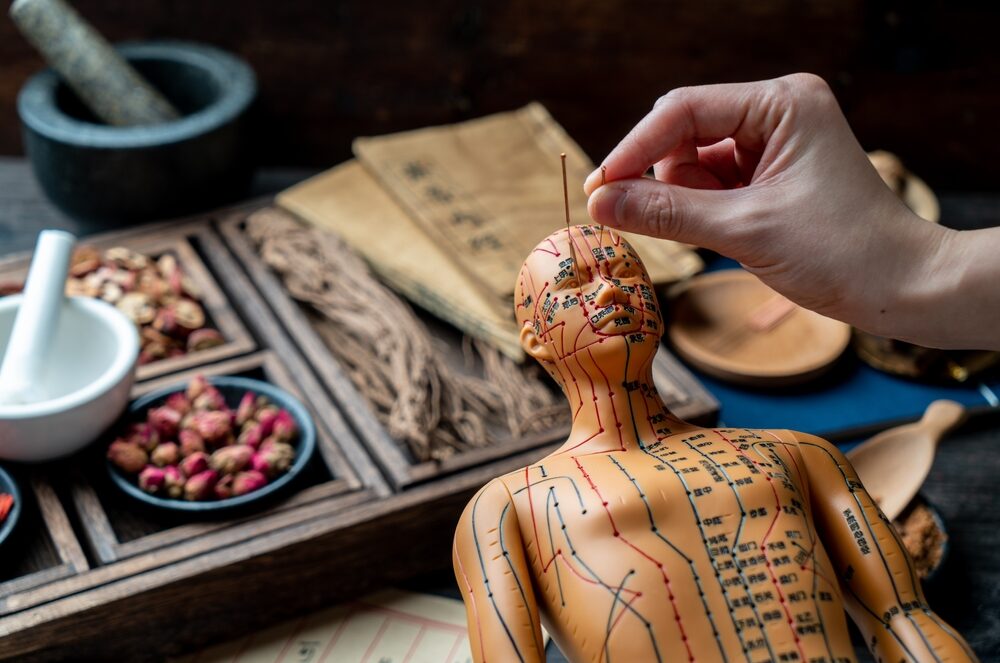
Western science echoes this idea. A best-selling American medical book titled Healing Back to Health (病由心生) suggests that nearly 80 percent of diseases have psychological roots. Only about 20 percent are due to external causes, such as infections or injuries. In one experiment, monkeys subjected to stress and anxiety through electric shocks developed stomach ulcers — scientific proof that the mind and body are intimately connected.
Eastern philosophy takes it even further. The emotions we experience — anger, joy, overthinking, worry, and fear — each correspond to and impact specific organs. Over time, these emotional imbalances manifest physically. That’s why healing the body requires healing the heart. True medicine starts with inner peace.
What disrupts your health? It starts with a restless heart
The first and most dangerous enemy of the heart is chaos — a restless, distracted mind. When your mind is scattered, nothing works right. Inner calm leads to smooth energy flow, which supports healthy blood circulation, physical vitality, and a robust immune system. In Chinese culture, this harmony of “essence, energy, and spirit” is the foundation of good health.
It’s not mystical thinking — it’s morale. Whether you’re fighting a battle, closing a business deal, or recovering from illness, your mental state can tip the scales. A calm, resilient mindset strengthens your immune system. People who collapse emotionally after a diagnosis suffer more than those who remain steady. Complaining, blaming fate, or resisting what life brings only feeds the disease. On the other hand, those who have internalized life’s rhythms — its ups and downs, seasons of hardship and rest — can accept pain with grace. This wisdom transforms the body’s response to illness.
How the immune to disease mindset breaks down when greed takes over
The second danger to your heart is greed. Greed isn’t just about money. It’s the craving for things we haven’t yet earned or aren’t ready for. That hunger drains our energy, clouds our judgment, and drives us to exhaustion. Greed forces us to overreach — pushing our bodies and minds beyond their limits. And when you overdraw your physical “account,” disease is the price you pay.
In classical Chinese medicine, cancer isn’t even recognized as a standalone disease. Instead, it’s seen as the extreme outcome of long-term imbalance — especially emotional imbalance. Modern life has disrupted traditional values and rhythms, creating a culture obsessed with shortcuts, deception, and endless craving. This spiritual distortion creates space for serious illness.
Letting go of hate: The healing power of forgiveness
The third poison is hatred. Chronic resentment — whether toward people, circumstances, or fate — harms you more than anyone else. People who constantly blame others for their misfortunes lose the ability to self-reflect. Their hearts harden. Their energy stagnates. And over time, their bodies break down. Mental imbalance shows up in behavior: negativity, cynicism, depression, hypersensitivity. These emotional toxins become physical toxins.
The antidote? Forgiveness. As the saying goes: “With every inch of a widened heart, disease retreats a mile.” Letting go — of anger, of control, of the need to be right — is perhaps the most powerful medicine of all.

In the future, true health will belong to those who master the heart
To live long and live well, you must learn to cultivate the heart. Not through ambition or effort — but through stillness. This is the secret ingredient to becoming immune to disease. Stillness means aligning yourself with nature, with time, with the cycles of life. In Buddhist practice, this is reflected in meditation — a deep, quiet state that connects the body and mind. In this silence, clarity emerges. From this stillness, wisdom arises.
A person who truly understands “stillness” remains centered whether they face praise or pain. They don’t complain or resent. They open their heart, release their fear, and allow their internal energy to flow freely.
The highest form of wellness is compassion
In Chinese thought, the ultimate form of self-care is nurturing the heart. And the highest expression of a healthy heart is compassion. A compassionate person lives in harmony with the world. They have discipline — knowing what to do and what to avoid. They are confident without arrogance. They seek no approval, and yet inspire those around them.
Authentic living is spiritual training. And to become a genuine hero in this life, you need three things: kindness (ren), wisdom (zhi), and courage (yong).
- Kindness to open your heart and heal others.
- Wisdom to see life’s deeper patterns.
- Courage to face life and death with equanimity.
Follow us on X, Facebook, or Pinterest
