

This year, it’s rare to see loose corn sold in supermarkets, so I bought some that was freshly picked from a roadside farmer. Because it was harvested that very day, it was pricier than the corn picked four or five days ago and sold in supermarkets — a dollar per ear. The sellers were clearly a white father and his two sons. I didn’t expect to learn about traditional Chinese medicine from a white farmer.
When I arrived, there were no other customers. They were chatting among themselves and didn’t notice me approaching. I asked who was in charge. The younger son, with delicate features, pointed to the man who was obviously his father and said: “Don’t mind him, he’s just a worker.” The handsome young man beside him — probably his older brother — couldn’t help but chuckle. I said to the younger one: “I can tell you’re the boss.” He nodded proudly.
I began: “Corn silk is used in Chinese medicine…” Before I could finish, the strong white man jumped in: “Yes! The husks and silk are medicinal. They help lower blood pressure, reduce swelling, lower cholesterol, and detoxify!” Watching this archetypal white farmer rattle off the medicinal benefits of corn in traditional Chinese medicine, I couldn’t help but smile.
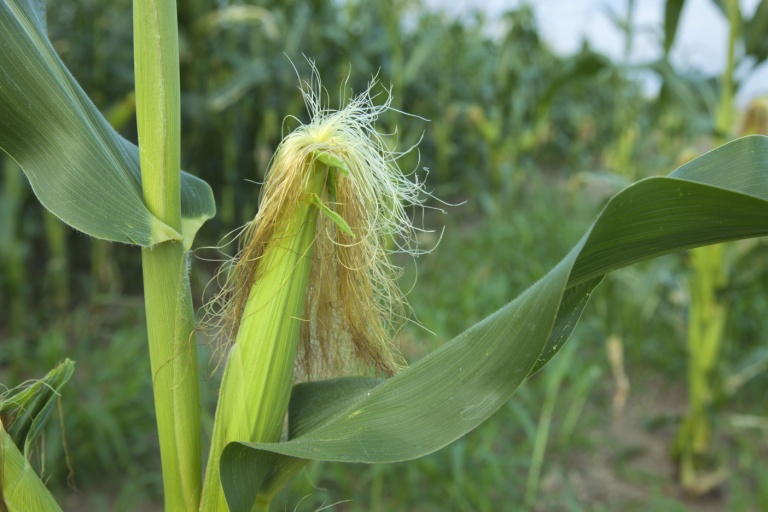
He continued teaching me: “Don’t boil corn directly in water. First, remove the husks and silk. Once the water boils, add it and cook for 3 minutes, then remove it. Then put the husks and silk into the same water and continue boiling. That way, you get delicious, fresh, sweet corn and a light, slightly bitter corn silk tea!” I happily agreed.
While the farmer dad was sharing his wellness tips, his two sons each picked out a large bag of corn for me. Every kernel was plump — even the ones at the very tip, something you’d never see in mass-harvested supermarket corn.
They asked where my money was. I said it was in the car and went to get it. When I returned, the once-empty stall was now surrounded by people. Maybe passersby saw me buying corn and followed suit, or perhaps the family’s understanding of Chinese medicine and their warm hospitality had earned them heaven’s favor — either way, their trailer was now packed with customers.
I handed the money to the burly middle-aged man and said: “Help your ‘boss’ collect the payment.” The boy, who was picking corn for another customer on the trailer, chuckled. All three of them told me: “Come back next week!”
Having received a Chinese medicine lesson from a white farmer, I left with joy in my heart. I liked this hardworking, humble, and humorous family — and felt proud of how Chinese culture subtly influences the world.
The next morning, I followed the farmer’s method to cook the corn and brew corn silk tea. I removed the old outer leaves and the darkened silk and used the clean, tender husks and silk to make the tea.

The medicinal benefits of corn husk, silk, and kernels
According to traditional Chinese medicine and modern pharmacology, the medicinal benefits of corn husks include:
- Diuretic and anti-swelling: Used to treat urinary difficulty, edema, and urinary tract infections. Contains potassium salts and saponins that help increase urine output.
- Lowering blood pressure and blood sugar: Studies have shown that corn silk extract may help reduce blood pressure and blood sugar levels, providing support for the management of hypertension and diabetes.
- Liver protection and bile promotion: Stimulates bile secretion, alleviates gallbladder inflammation, and prevents gallstones. Offers some protection for fatty liver and chronic hepatitis.
- Hemostatic effects: Traditionally used for uterine bleeding and hematuria.
- Heat-clearing and detoxifying: Commonly brewed as tea to clear heat and dampness.
Cork silk is recorded in the Compendium of Materia Medica, where it’s called “Yu Shu Shu Xu” and classified under grains. It’s described as sweet and neutral in nature and is used to promote urination, reduce swelling, and stop bleeding — especially for conditions such as edema, urinary difficulty, and beriberi.
Corn kernels are rich in nutrients like starch, protein, dietary fiber, B vitamins, vitamin E, and unsaturated fatty acids. They aid digestion and prevent constipation. They also lower cholesterol and protect cardiovascular health (thanks to linoleic acid and lecithin in oil). They have antioxidant properties that slow aging (from vitamin E and carotenoids).
Translated by Cecilia and edited by Amanda
Follow us on X, Facebook, or Pinterest
