

Open a jar of chest rub on a winter night, and you already know the scent: cool, sharp, and clean, the smell of easier breathing. That unmistakable aroma comes from one of nature’s most useful gifts, a clear oil pressed from the leaves of an Australian tree. For generations, people have reached for it at the first scratch of a cough or the first ache of a tired muscle.
The many benefits of eucalyptus oil have made it a quiet fixture in medicine cabinets around the world. Yet most of us know surprisingly little about where it comes from, or how to use it well. Its very name hints at a story. “Eucalyptus” comes from the Greek words eu, meaning “well” or “good,” and kalyptos, meaning “covered,” a nod to the little cap that shields each flower bud before it blooms.
In this guide, we follow eucalyptus oil from the forests of Australia to your bathroom shelf. You will learn what the oil actually does, and the science and ancient wisdom behind its most famous use. We will also cover how to use it safely at home, along with precautions to keep your family, including your pets, out of harm’s way.
From Australian forests to the world: The story of eucalyptus oil
Long before laboratories studied its chemistry, the eucalyptus tree was woven into daily life on the Australian continent. Aboriginal Australians used the leaves in many ways. They burned them to release a cleansing smoke, steeped them in hot water to ease fevers and sore muscles, and prepared pastes from related trees to treat wounds. The towering river red gum even provided wood for tools. This was living knowledge, passed down through countless generations.
When European explorers first encountered these fragrant trees, they collected samples and sent them back to England for study. In the late 1700s, the French botanist Charles Louis L’Héritier de Brutelle gave the genus its scientific name, Eucalyptus, working from a species now commonly known as messmate (Eucalyptus obliqua).
The oil’s commercial story began with a pharmacist named Joseph Bosisto. Arriving in Australia in the 1840s, he became fascinated by the medicinal promise of the native flora. Working alongside the renowned botanist Ferdinand von Mueller, Bosisto opened Australia’s first commercial eucalyptus distillery in 1852 near Dandenong Creek in Victoria. His enterprise helped turn a wild bush remedy into one of Australia’s earliest exports.
Of the more than 700 species of eucalyptus, only a handful produce oil of the right quality and quantity for distillation. The most prized is Eucalyptus globulus, often called the blue gum. Today, eucalyptus oil is produced in several countries, including China, but Australia remains its spiritual home and the place where its modern story began.
What is eucalyptus oil? A look inside the bottle
Eucalyptus oil is an essential oil distilled with steam from the leaves and young twigs of the eucalyptus tree, most often Eucalyptus globulus. Its power comes mainly from a single compound, 1,8-cineole, also called eucalyptol, which can make up around 70% or more of the oil depending on the species. This is the molecule behind that bracing, clearing scent and most of the oil’s traditional uses.
Eucalyptol is not the only active ingredient. The oil also contains alpha-pinene and limonene, compounds known for their antiseptic properties, as well as tannins and flavonoids that contribute to antimicrobial and antioxidant effects. According to a review of eucalyptus essential oils in the scientific literature, this blend gives the oil its reputation as an antimicrobial, anti-inflammatory, and decongestant agent.
It is worth saying clearly: eucalyptus oil is concentrated and potent. A little goes a long way, and it is meant for inhalation, diffusion, or careful, diluted use on the skin, never for swallowing.
The benefits and uses of eucalyptus oil
The appeal of eucalyptus oil is its versatility. The same bottle can soothe a stuffy nose, freshen a room, and ease a sore shoulder. Here are its most valued uses, with honest notes on what the evidence suggests.

Easier breathing: Cough, congestion, and sinus relief
This is the use eucalyptus is famous for. The oil acts as a natural decongestant and expectorant, helping to loosen mucus and open the airways so breathing feels less labored. A 2022 review of clinical studies found that eucalyptus is both effective and reasonably safe for relieving cough, which helps explain why eucalyptol appears in so many cold and chest remedies.
The benefit may go deeper than simply clearing the nose. Laboratory research shows that 1,8-cineole can calm inflammation in lung tissue by quieting the immune pathways that drive swelling and irritation. For anyone weathering a winter cold, that is welcome news.
Soothing sore muscles and joints
Massaged into the skin in diluted form, or simply inhaled, eucalyptus oil has long been used to ease aches. Its anti-inflammatory and mild pain-relieving properties make it a common ingredient in balms for tired muscles, stiff joints, and arthritis-related discomfort. In one clinical trial, people who breathed in eucalyptus oil after knee surgery reported less pain and lower blood pressure than those who did not.
A natural cleaner and air freshener
Eucalyptus oil’s antimicrobial nature makes it a favorite for natural housekeeping. A few drops added to homemade cleaning sprays can help cut through grease, lift away grime, and leave surfaces smelling fresh. Traditionally, it has also been used to discourage mold and to freshen stale air. Many people add a drop or two to laundry or floor washes simply for that crisp, forest-clean scent.
Skin, hair, and scalp
When properly diluted, eucalyptus oil appears in many skin and hair products. Its antiseptic and cooling qualities have made it a traditional choice for soothing minor skin irritations and for calming an itchy, flaky scalp. Some research points to antifungal properties that may help with dandruff, and its cooling sensation can ease that maddening scalp itch. The evidence here is gentler than the marketing, so treat it as a pleasant support rather than a cure, and always dilute before it touches your skin.
Oral health and fresh breath
You may have seen eucalyptol on a mouthwash label. Thanks to its antibacterial action, eucalyptus is used in some dental products to help reduce plaque and support healthy gums. It also lends a clean, minty-fresh note to the breath.

Keeping the bugs away
A close relative, oil of lemon eucalyptus, contains a compound called PMD, a recognized natural insect repellent. It is one of the few plant-based options taken seriously for repelling mosquitoes. That has made it popular with people who prefer a botanical alternative to synthetic sprays.
Eucalyptus and the lungs: Where East meets West
Here is where eucalyptus oil becomes more than a household helper and turns into a small lesson in how two great traditions can describe the same truth in different words.
Modern science explains the oil’s ability to breathe in molecular terms. Eucalyptol relaxes and dilates the airways, thins mucus so it can be cleared, and calms inflammation that causes chest tightness. The tiny hair-like filaments in the lungs, called cilia, sweep more freely, helping to move debris and irritants out.
Traditional Chinese medicine (TCM) arrives at a strikingly similar place from a very different starting point. In TCM, the lungs (肺) are seen as the “delicate organ,” the part of us most exposed to the outside world and its seasonal winds. The lungs govern the body’s defensive energy, known as wei qi (卫气), a kind of protective shield that guards against illness carried by the wind. Autumn, the season of dryness and falling leaves, is considered the lungs’ own season. In the five-element framework, the lungs belong to the Metal element, which is associated with protection and boundaries.
When a cold settles in, what TCM calls “wind-cold,” (风寒), the traditional aim is to disperse that cold, open the chest, and restore the free flow of breath. A warming, aromatic vapor that clears the airways fits this picture perfectly. A Western pharmacist speaks of eucalyptol and cilia. A Chinese physician speaks of dispersing wind-cold and supporting wei qi. Yet both are pointing to the same experience: the simple relief of breathing freely again.
This meeting of traditions is part of why so many cultures keep aromatic plants close in winter. Do you enjoy these natural approaches to seasonal wellness? You may also like our look at an ancient remedy for seasonal coughs, and the gentle, lung-friendly tradition of lily bulbs in Chinese medicine.
How to use eucalyptus oil safely at home
Eucalyptus oil is wonderfully practical, but it must be respected. Because it is so concentrated, it should always be diluted or dispersed, never applied straight from the bottle or taken internally. Here are the most common and reliable ways to enjoy it.
Steam inhalation
This is the classic method for a blocked nose or tight chest. Add a few drops, around five to ten, to a bowl of hot (not boiling) water. Drape a towel over your head, close your eyes, and gently breathe in the vapor for 5 to 10 minutes. The warm, aromatic steam travels through your nose and chest, helping loosen congestion.
A soothing chest rub
To make a simple chest rub, mix a few drops of eucalyptus oil into a spoonful of a carrier oil such as coconut, almond, or olive oil. Massage a small amount over the chest and throat. The carrier oil dilutes the eucalyptus, making it gentler on your skin, while the vapor works as you breathe.
Diffuser or bath
Add five to seven drops to a water diffuser and let the scented mist fill the room, a lovely way to keep the air feeling fresh during the cold season. Alternatively, add a couple of drops to a warm bath, or sprinkle a drop onto a damp washcloth placed in the shower, where the heat releases the aroma into the steam.
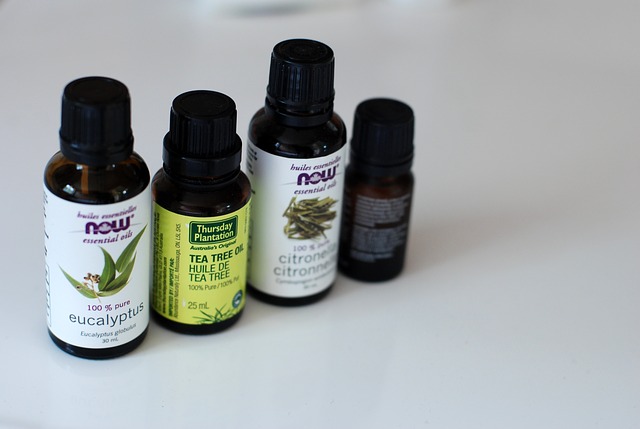
Dilution basics: Never use it neat
The single most important rule is dilution. Essential oils are highly concentrated, and applying them undiluted can cause redness, irritation, or an allergic reaction. Always blend eucalyptus oil with a carrier oil before it touches your skin, and do a small patch test on your inner arm first. When in doubt, less is more.
Safety first: Who should be careful
Eucalyptus oil’s strength is also the source of its risks. Used wisely, it is a gentle ally, but a few firm precautions protect everyone in the home. For natural wellness with no such cautions, you might explore these no-cost wellness habits from traditional Chinese practices.
Never swallow eucalyptus oil
This is the most serious warning. Eucalyptus oil is toxic when taken by mouth. According to Poison Control, as little as 2 to 3 milliliters can cause dizziness, drowsiness, and a loss of muscle control. Larger amounts can be dangerous, even life-threatening, for an adult. Always store the bottle well out of children’s reach, and treat any accidental ingestion as an emergency.
Children and sensitive skin
Eucalyptus oil should not be used on or given to children under 2 years of age. For older children, use only heavily diluted amounts, applied externally and sparingly, and never near the face or under the nose, where the strong vapor can affect young airways. If you or your child has sensitive skin, asthma, or a known allergy, check with a healthcare professional first.
A warning for pet owners
No, eucalyptus oil is not safe for pets. Many people are surprised to learn that eucalyptus, in any form, is toxic to both cats and dogs. Cats are especially vulnerable because their livers lack an enzyme needed to break down the oil’s compounds. The ASPCA lists eucalyptus as toxic to both cats and dogs, with signs including drooling, vomiting, weakness, and unsteadiness. Diffusing the oil is not automatically safe either, since the fine droplets can settle on fur, be groomed off, and be swallowed. If you share your home with pets, diffuse only in well-ventilated rooms where they can leave freely. Keep all oils stored safely away, and call your veterinarian at once if you notice any symptoms.
Frequently asked questions about eucalyptus oil
What is eucalyptus oil good for?
Eucalyptus oil is best known for easing coughs, congestion, and sinus pressure by loosening mucus and opening the airways. It is also used to soothe sore muscles and joints, freshen and clean the home, support oral health, and, as oil of lemon eucalyptus, repel insects.
How do you use eucalyptus oil for a cough?
The simplest method is steam inhalation. Add 5 to 10 drops to a bowl of hot water, drape a towel over your head, and breathe in the vapor gently for a few minutes. You can also rub a diluted blend on your chest or run a diffuser in the room.

Can you put eucalyptus oil directly on your skin?
No. Eucalyptus oil is highly concentrated and can cause redness or irritation if applied undiluted. Always mix a few drops into a carrier oil, such as coconut or almond oil, and do a small patch test first before using it more widely.
Is it safe to diffuse eucalyptus oil around pets?
It is risky. Eucalyptus is toxic to cats and dogs, and airborne droplets can settle on their fur, be groomed off, and swallowed. If you diffuse it, do so only in a well-ventilated room where your pet can leave freely, and stop immediately if your pet seems unwell.
A gift from nature, used with care
From a hardy tree on the far side of the world to the small bottle in your cupboard, eucalyptus oil has earned its place through centuries of use. Its benefits are real and refreshingly simple: it helps us breathe more easily, soothes tired muscles, freshens our homes, and reminds us how much quiet wisdom nature holds.
Perhaps the most beautiful thing about eucalyptus oil is how it draws together different ways of knowing. Western science and traditional Chinese medicine, separated by oceans and centuries, both recognized the same gift in this aromatic vapor: the comfort of a clear, open breath. That harmony is a small reminder that healing wisdom belongs to all of humanity.
Used with knowledge and respect, eucalyptus oil is a humble companion for the changing seasons. Dilute it, keep it away from little ones and pets, never swallow it, and it will reward you with one of life’s underrated pleasures, the simple joy of breathing freely.
For more natural ways to care for your body through the seasons, explore Nspirement’s traditional Chinese health tips, or another fragrant favorite, the calming benefits of chrysanthemum tea.
Follow us on X, Facebook, or Pinterest
