
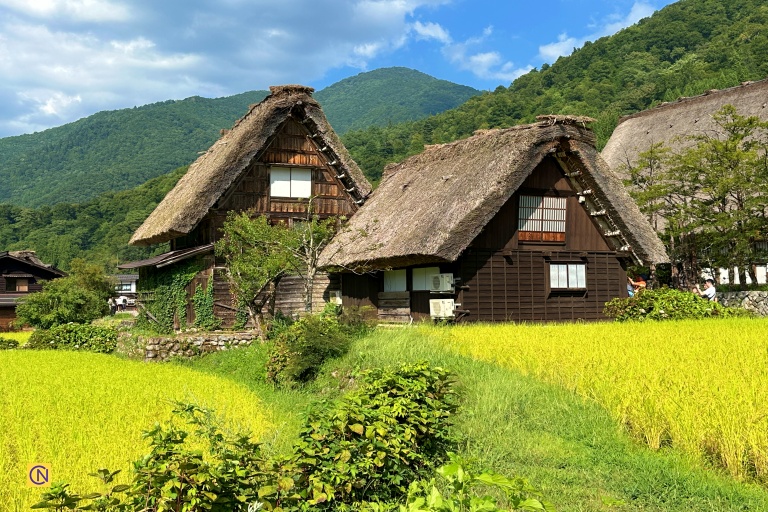
Tucked away in the remote mountainous regions of Japan‘s Gifu and Toyama prefectures, the historic villages of Shirakawa-gō (白川郷) and Gokayama (五箇山) offer a glimpse into the past. Declared a UNESCO World Heritage Site in 1995, these hidden gems are renowned for their distinctive gasshō-zukuri (合掌造) architectural style.
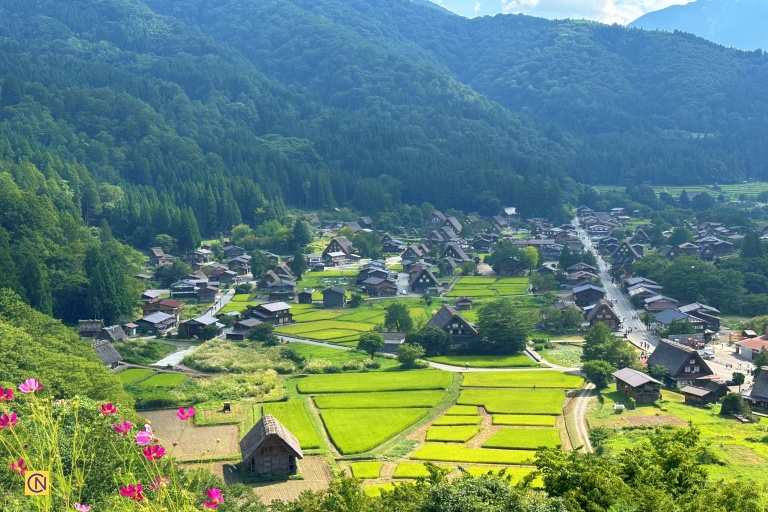
Encompassing three traditional mountain villages spanning approximately 68 hectares (170 acres) in the secluded Shōgawa River Valley, they represent a way of life that has been perfectly adapted to a challenging and isolated environment. Visiting them is like stepping into a fairytale, where culture, nature, and history converge to create a truly unforgettable experience.
History of Shirakawa-gō and Gokayama
The origins of Shirakawa-gō and Gokayama date back to the 11th century. It is a story of human ingenuity and resilience in the face of a harsh, isolated environment. For centuries, they remained largely isolated from the rest of Japan due to their mountainous location and heavy snowfall, which led to the development of a distinct culture and lifestyle.
Initially planned for dam construction, Shirakawa-gō was preserved after strong local opposition highlighted the importance of its gasshō-zukuri heritage. Conservation began in 1967 with the 400-year-old Wada Residence, a nationally designated Important Cultural Property. Many houses were relocated for protection, and today the village hosts 113 gasshō-zukuri buildings — the largest of its kind.
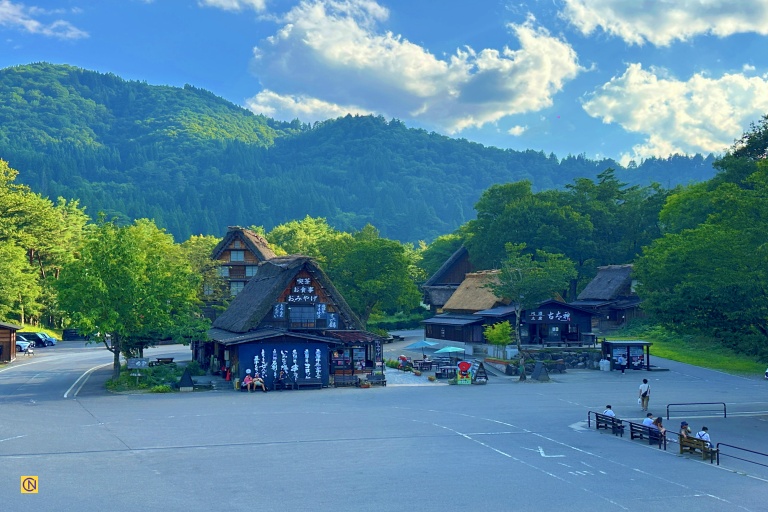
Features of Shirakawa-gō and Gokayama
The most distinctive feature of these villages is the style of houses called gasshō-zukuri, which means “constructed like hands in prayer.” Constructed between the 17th and 20th centuries, this unique architectural style wasn’t just for aesthetics; it was a practical solution for survival. The 60-degree slope allows heavy snow to slide off easily, preventing the structure from collapsing.
The roofs, crafted from thick layers of thatch and held together without nails, also provided a vast attic space. This area was crucial for the village’s primary industries, particularly sericulture (the cultivation of silkworms), which was a vital source of income. The heat from the irori (traditional sunken hearth) on the first floor would rise, providing a warm, dry environment for the silkworms. This communal and interdependent lifestyle, known as yui, where villagers would collectively assist in tasks like re-thatching roofs, is a testament to their resilience and cooperation.
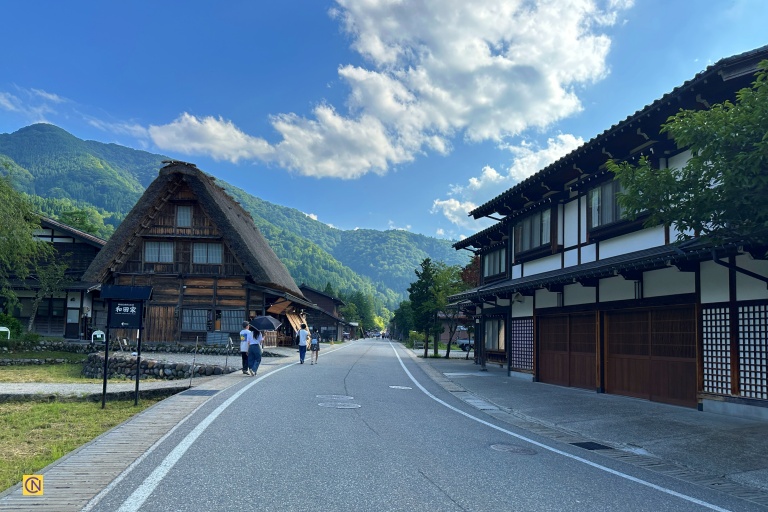
Both Shirakawa-gō and Gokayama maintain a peaceful rural ambiance, characterized by narrow lanes, rustic wooden houses, and beautiful rice fields that change with the seasons. Traditional crafts, such as washi paper making, are still practiced here, offering visitors an insight into Japan’s rich cultural heritage.
Seasonal splendors of Shirakawa-gō and Gokayama
Summer is a time of bountiful nature and vibrant life, perfect for strolls and photography. Visitors can explore the villages’ narrow walkways, visit the historic houses, and witness the timeless rhythm of rural life as locals tend to their fields. The contrast between the dark timber of the houses and the bright, flourishing greenery, as well as the beautiful golden rice, is a sight to behold.
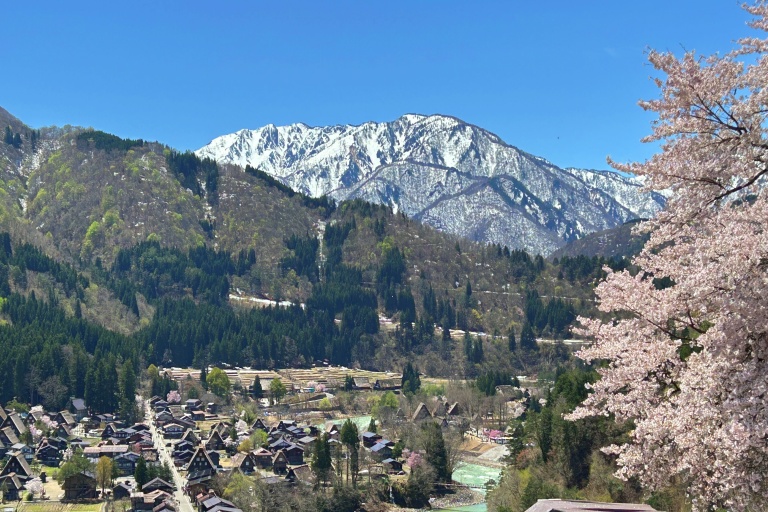
Winter in Shirakawa-gō and Gokayama offers an entirely different yet equally captivating experience. The village is draped in thick layers of snow, transforming into enchanting winter wonderlands. The gasshō-zukuri roofs, which were initially designed to withstand heavy snowfall, now create postcard-perfect scenes as they blanket the landscape.
Then comes spring, breathing new life into the ancient villages. As the snow melts, the valleys come alive and the soft sakura blossoms begin to bloom. Though not as abundant as in other regions, the scattered cherry trees create a quiet, intimate charm. Against the backdrop of gasshō-zukuri houses and thawing mountains, the blossoms bring a transient beauty that symbolizes renewal and hope.
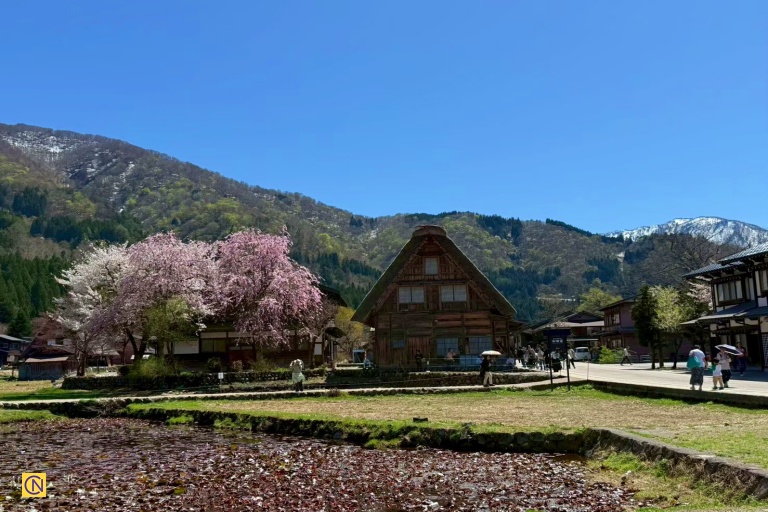
Shirakawa-gō and Gokayama are living museums that preserve Japan’s rural history and architectural ingenuity. Bathed in the vivid greens of summer or cloaked in the serene whites of winter, they offer visitors an unforgettable journey into Japan’s past and natural beauty, showcasing their unique charm and cultural significance. Exploring these UNESCO sites provides an opportunity to witness timeless traditions thriving amidst breathtaking landscapes.
Follow us on X, Facebook, or Pinterest
