
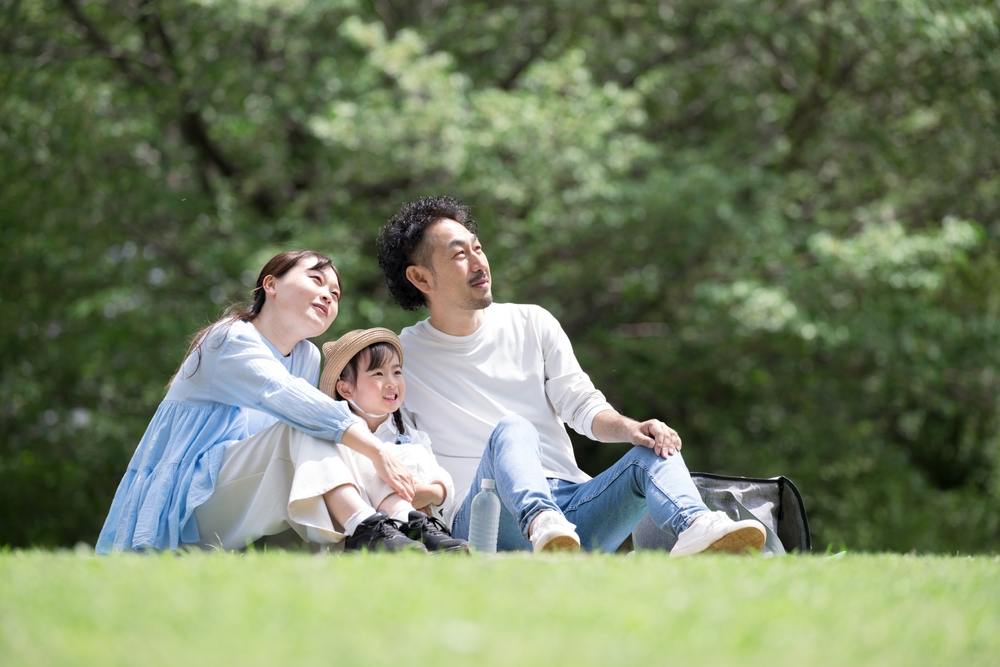
Gratitude is more than teaching a child to say “thank you.” While saying the words is easy, helping a child truly develop a heart of gratitude takes time — especially for children under seven, who may not yet fully understand what it means.
Gratitude goes beyond politeness or good manners. It’s a way of thinking and living that helps us notice what we have, cherish it, and feel content and thankful for it. Studies show that people who practice gratitude tend to be happier and less prone to depression. The same holds true for children — those who learn gratitude early often do better in school and form stronger relationships.
So for the sake of our children’s present and future well-being, shouldn’t we begin teaching gratitude early? Even if young children can’t yet grasp its full meaning, parents can still plant the seed of gratitude from the very start.
Take the New Year in China or Christmas in the West, for example. Children often receive red envelopes and piles of gifts — snacks, toys, and treats of every kind. These presents are given with love, but such indulgence can sometimes foster a sense of entitlement. When a child begins to say: “I don’t like this,” or “I want that instead,” it’s a gentle reminder that the time has come to nurture gratitude.
Challenges in today’s world
Children today face challenges that earlier generations rarely encountered. Beyond material abundance, they are constantly exposed to comparisons through social media, peer interactions, and advertising. Even young children quickly notice what their friends have or what’s trending, and this can make it harder for them to appreciate what they already own.
Modern life is also fast-paced. Many children are overscheduled with classes, activities, and digital entertainment. Constant stimulation leaves little room for reflection, making gratitude more of a conscious effort than a natural habit. When every moment is filled with screens, notifications, or organized play, it becomes easy to take relationships and routines for granted.
Emotional pressure adds to this. Many children feel stress or social anxiety that overshadows simple joys. Even well-meaning praise can emphasize achievement over effort, turning attention to “what’s next” rather than “what do I already have?”
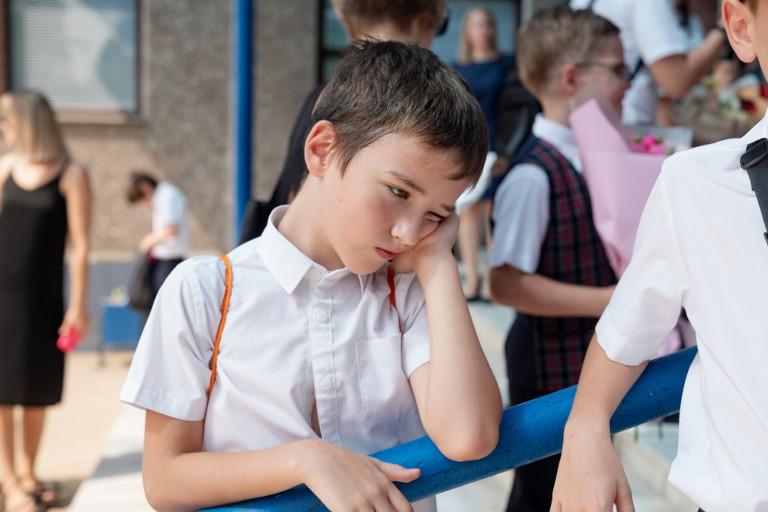
Another challenge is the culture of instant gratification. Online shopping and on-demand entertainment teach children that they can have nearly anything right away. This erodes patience and appreciation for things that require time or effort. Recognizing these influences helps parents guide their children toward a slower, more reflective way of seeing the world — one where gratitude can take root.
Strategies for growing gratitude
Strategy 1: Set clear expectations
It’s easy to fall into the habit of buying a toy or treat “just this once.” Maybe you didn’t plan to shop, but your child saw something they liked, and you gave in. Over time, this creates an expectation that every outing means getting something new.
To prevent this, set clear expectations before leaving the house. Say: “We’re going out to play and have a meal — we won’t be buying anything.” Then follow through. Consistency teaches children that outings are about spending time together, not receiving material rewards. It also gives them an early lesson in patience and self-control, helping them enjoy experiences for their own sake.
Strategy 2: Talk about gratitude and model it yourself
One of the simplest yet most powerful ways to nurture gratitude is to make it part of daily life. During dinner, ask your child: “Did anything happen today that made you feel thankful?” You can also ask about frustrations. Talking about both helps children process emotions and notice positive moments in their day.
Be patient — young children may need time before giving thoughtful answers. What matters most is creating the habit of reflection. Share your own experiences, too, such as being grateful for a kind gesture or a sunny afternoon. These examples show that gratitude isn’t limited to big events — it lives in small, ordinary moments.
Even everyday interactions offer chances to express thankfulness. If someone gives you a gift you don’t particularly like, express genuine appreciation anyway. When children see you respond with grace, they learn that gratitude is an attitude, not just a polite phrase.

You can also use stories from books, history, or your own life to show how grateful people handle challenges. Over time, your child will begin to recognize and express their own gratitude — building empathy, perspective, and emotional resilience.
Strategy 3: Thank your child
Parents often assume their children know they’re appreciated, but small, sincere thank-yous can make a big difference. Saying: “Thank you for behaving so well at the dentist,” or “Thank you for getting ready when I called you,” shows children that their efforts matter. Feeling appreciated encourages them to notice kindness in others and express gratitude in return.
Gratitude is contagious. When parents regularly recognize their children’s positive behavior, it fosters a warm, respectful home environment where everyone feels valued.
Strategy 4: Let your child help at home
Overindulged children may struggle to feel grateful because they believe everything is owed to them. Parents naturally want to give, but it’s equally important to teach the value of effort. Only by contributing can children understand that life’s comforts require care and work.
Start small — have them bring spoons to the table, throw banana peels in the trash, or put away their toys. These little responsibilities teach children that they can make a meaningful difference. As they grow, increase their responsibilities: folding laundry, setting the table, or helping with simple meals.
Through such experiences, children learn that effort brings reward and that giving to others feels fulfilling. Gratitude then grows naturally from participation and shared purpose.

Strategy 5: Broaden your child’s view of the world
Children see the world through a small window — their family, school, and neighborhood. They may assume their world is all there is. Gratitude deepens when they realize how vast life really is and how fortunate they are within it.
Help expand their perspective. Read books about different cultures, visit museums, explore nature, or volunteer together. Share stories about children who live in different circumstances. As they see the broader world, they’ll begin to appreciate the comfort, safety, and love that surround them.
When children learn to look beyond themselves, they not only value what they have but also develop empathy for others — a foundation for lasting gratitude and kindness.
Strategy 6: Encourage giving
Gratitude and generosity go hand in hand. When children give — whether it’s sharing toys, helping a sibling, or assisting a neighbor — they discover that happiness also comes from contributing to others’ well-being.
Encourage small acts of giving, such as donating a toy, sharing snacks, or helping a friend. Seeing the joy their kindness creates helps them recognize the power of compassion. It also teaches them that life is not about accumulation, but about connection and care.
By nurturing gratitude through giving, we help our children grow into people who appreciate life deeply and spread kindness wherever they go.
Translated by Cecilia
Follow us on X, Facebook, or Pinterest
