
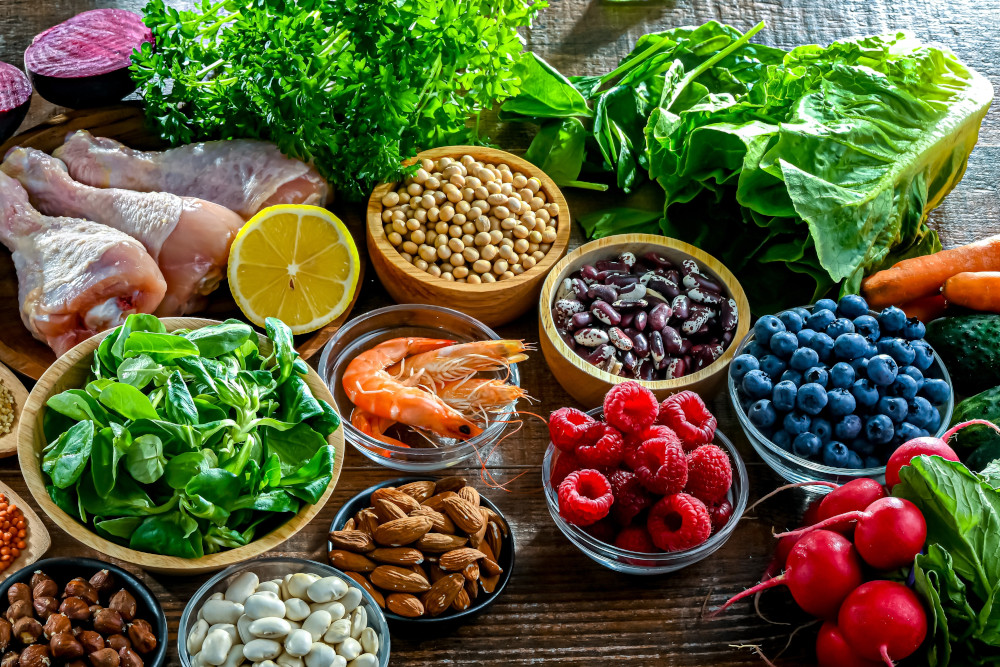
A stroke, or cerebral infarction, poses a significant risk to middle-aged and older adults. While no single food can prevent it entirely, science shows that a balanced, nutrient-rich diet can play a powerful role in protecting the brain and supporting cardiovascular health.
Doctors remind us that prevention starts with consistent daily choices.
5 top foods for maintaining healthy blood vessels and slowing cognitive aging
1. Ginger: Promotes circulation and warms the body
Often seen as a simple kitchen spice, ginger offers surprising benefits for circulation. It’s rich in gingerol and antioxidants, which can help dilate blood vessels, promote blood flow, and reduce the formation of blood clots. Ginger may also help regulate cholesterol levels and support blood vessel flexibility, making it particularly suitable for middle-aged and elderly people.
However, more isn’t always better. Those with a warm constitution, frequent inflammation, or stomach ulcers should consume ginger in small amounts. A few slices in hot water or added to daily dishes are enough — the key is long-term consistency. People who take anticoagulants or are prone to bleeding should consult their doctor before regular use.
2. Blueberries: Protect brain cells and boost memory
Blueberries are often called natural “brain protectors.” They’re packed with anthocyanins — powerful antioxidants that neutralize free radicals and reduce inflammation in the brain. Studies have shown that regular consumption helps improve memory and concentration while lowering the risk of cognitive decline.
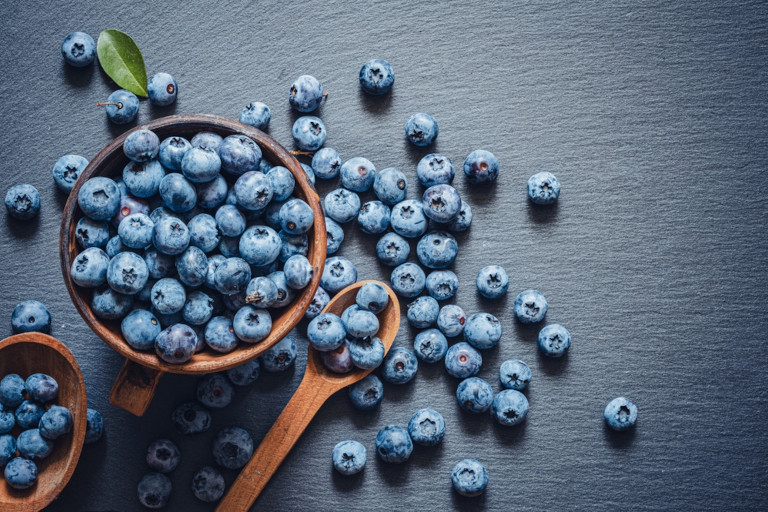
Blueberries also contain soluble dietary fiber that helps stabilize blood sugar, preventing long-term damage to blood vessels caused by high glucose levels. Enjoy a small bowl of fresh or frozen blueberries daily, perhaps mixed into yogurt or salads.
3. Dark chocolate: Enhances blood flow and mental focus
Dark chocolate with more than 70 percent cocoa is a potent natural source of compounds that promote healthy circulation. The flavanols in cocoa stimulate blood vessel walls to produce nitric oxide, which allows them to relax and widen, improving blood flow to the brain. This increased circulation supplies more oxygen and nutrients to brain tissue.
A moderate daily portion — around 10 to 20 grams — can improve alertness and thinking efficiency. It may also help reduce blood pressure, a key factor in preventing stroke. Choose low-sugar varieties and avoid milk or sweet chocolate, which can counteract these benefits.
4. Nuts: Repair nerves and strengthen blood vessels
Walnuts, almonds, and other nuts are essential sources of healthy fats that support brain structure. They contain unsaturated fatty acids and plant-based omega-3 fats, key components of brain cell membranes. These nutrients help reduce inflammation, repair nerve cells, and lower harmful LDL cholesterol levels.
Nuts are also rich in vitamin E, zinc, and selenium — micronutrients that protect cells and slow brain aging. A small handful (about 20 grams) daily is sufficient, as excessive amounts can add unnecessary calories.
5. Leafy green vegetables: Cleanse blood vessels and protect the brain
Spinach, kale, and bok choy are natural “cleansers” for the brain and circulatory system. These greens are loaded with folate (vitamin B9), vitamin K, and antioxidants that help maintain blood vessel elasticity and improve circulation.
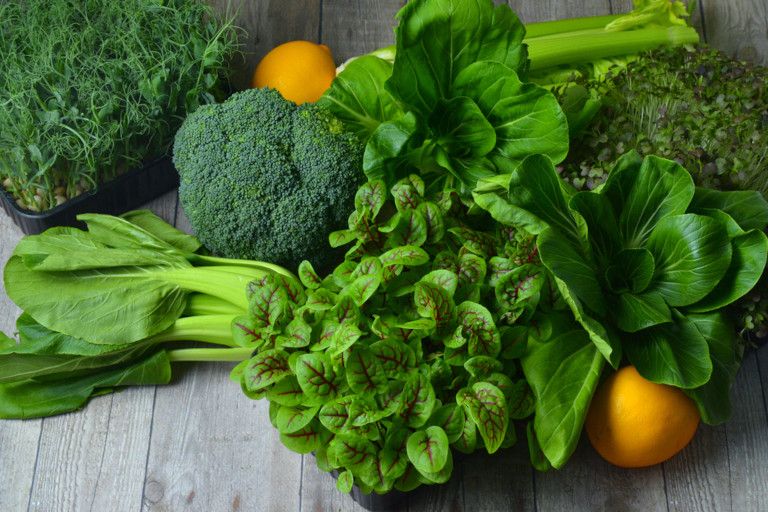
Folate is especially important because it helps break down homocysteine, an amino acid linked to artery damage and increased stroke risk. Regular consumption of leafy greens supports cognitive function and helps the body remove toxins that can damage brain cells.
A holistic approach to brain protection
Protecting your brain and reducing your risk of stroke require long-term, consistent habits. A diet that includes ginger, blueberries, dark chocolate, nuts, and leafy greens can strengthen your circulatory system and support healthy brain function. Combine these foods with regular exercise, sufficient sleep, stress management, and periodic medical checkups for the best results.
Disclaimer: This information is for educational purposes only and is not a substitute for professional medical advice, diagnosis, or treatment. Always consult a qualified healthcare provider with any questions you may have about a medical condition.
Translated by Patty Zhang
Follow us on X, Facebook, or Pinterest
