

Many people believe that once the kidneys develop problems, there’s no turning back. But that’s not true. Dr. Zhang, who has worked in hospitals for over 40 years, often says: “The kidneys are like the plumbing in your house; as long as you detect problems in time and choose the right methods, they can be stabilized.” Why are dialysis centers so crowded these days? Because 9 out of 10 kidney disease patients completely miss the warning signs their bodies are sending.
Today, we’ll explain three simple, easy-to-follow methods to protect your kidneys, along with three fruits that are most beneficial for the kidneys, which many long-term patients call “kidney stabilizers.” Your kidneys had already sent you warning signals, but you didn’t take them seriously. The kidneys are very “tolerant.” The worse they get, the less they “cry out in pain.” But when they really can’t hold on any longer, they will quietly give you some hints:
- You’re still exhausted even after sleeping all night
- Your face is pale, and you feel dizzy, like you’re anemic
- You feel nauseous just smelling food
- Your legs cramp intermittently
- Your eyelids are swollen in the morning, and your legs are swollen at night
- You go to the bathroom two or three times during the night
- Your urine has a lot of foam that doesn’t dissipate for a long time
- Your skin is so itchy that even scratching it raw doesn’t help
Many people think it’s just old age, fatigue, internal heat, or a sour stomach, and only when their creatinine levels skyrocket do they realize that their kidneys have been “quietly asking for help” all along. Don’t ignore these minor ailments anymore. They may be essential warnings from your body. These three “habits” are quietly damaging your kidneys. You might think you’re very health-conscious, but many people damage their kidneys because of these “wrong health practices”:
Is low-sodium salt increasingly dangerous?
Low-sodium salt contains more potassium. People with kidney problems cannot excrete excess potassium, which can lead to hyperkalemia and, in severe cases, even cardiac arrest. Therefore, if you have kidney problems, do not use low-sodium salt. Using less regular salt is the safest approach.

Fruit and vegetable juices and concentrated soups are high in potassium
Juicing fruits and vegetables causes a large amount of free potassium ions. For people with a heavy burden on their kidneys, this is a “potassium bomb.” The same is true for slow-cooked soups. The rich broth is high in potassium and purines, and long-term consumption will only accelerate the decline in kidney function. The healthy way to eat is to blanch vegetables before eating, eat whole fruits, and avoid fruit juices and rich soups.
Processed foods, nuts, red meats, cola: Invisible high-phosphorus zone
High phosphorus levels can make bones more brittle and accelerate arteriosclerosis. People with declining kidney function should avoid:
- Sausages, ham
- Fish balls, meatballs
- Cola, milk tea
- Various nuts snacks
Remember: Fresh ingredients are always safer than processed foods.
3 fruits for kidney protection
Many long-time patients ask: “What can I still eat?” Don’t worry, you can still eat fruit, but you need to choose the right ones. These three fruits are called the “safe zone for kidneys” by long-time patients:
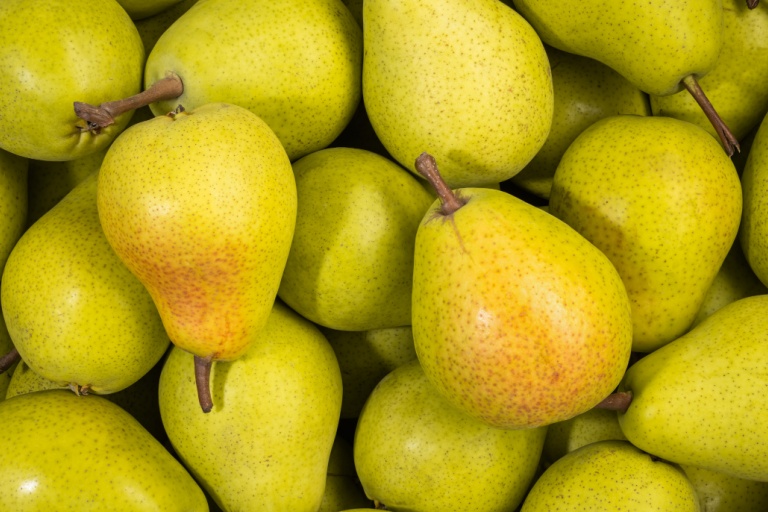
Pears (snow pears, water pears): Moisturize the lungs and kidneys
Pears have a high water content and relatively low potassium levels, and they contain antioxidants that protect cells. They are especially beneficial for people prone to internal heat, a dry throat, and constipation. Suggested consumption: One medium-sized pear a day. Eat it whole or steamed. Do not juice it.
Apples: The kidney’s favorite fiber shield
The pectin and fiber in apples help regulate blood lipids and blood pressure, reducing the burden on the kidneys. Dr. Zhang said: “Many people who insist on eating one apple a day have stable creatinine levels for six months.” Suggested consumption: One apple a day. Avoid dried apples (too high in sugar).
Guava: The king of vitamin C, giving the kidneys more strength
Guava has almost twice the vitamin C content of lemons, is a powerful antioxidant, and protects kidney cells. It also has a low potassium content, so people with declining kidney function can eat it with confidence. Suggested Consumption: Half to one per day. Do not dip in plum powder or sugar.
Two zero-cost kidney protection methods
Besides fruit, Dr. Zhang strongly recommends two simple actions: Elevate your legs for 20 minutes in the evening. This allows the fluid accumulated in the legs during the day to flow back, naturally reducing frequent nighttime urination.
Soak your feet or take a bath for 15 minutes. This promotes blood circulation, allowing the kidneys to work more efficiently. After 3 months of practice, many patients have experienced reduced nighttime urination, reduced foot swelling, and improved overall well-being.
Kidney damage is irreversible, but it can be stabilized. If your kidney function is deteriorating, it may still be possible to save your kidneys starting now:
- Notice your kidneys’ warnings
- Avoid kidney-damaging habits
- Eat more “kidney-friendly” fruits
- Do some simple, gentle exercises
Your kidneys will silently reward every effort you make. May everyone who reads this article protect their kidneys and avoid the pain of dialysis.
Translated by Patty Zhang and edited by Amanda
Follow us on X, Facebook, or Pinterest
