

Many people sigh at the mirror each morning, wondering: “Why are my eye bags so big again?” After investing in countless expensive eye creams with little to show for it, frustration quickly follows. The truth is, not all eye bags require more products to improve — some simply need the right approach. Below are a few simple, fast, and effective morning fixes you can try at home.
Morning relief: Your 3-minute de-puffing routine
These methods are best for edema-type eye bags, which are caused by fluid retention rather than fat. Common triggers include staying up late, drinking too much water before bed, or sluggish circulation. These eye bags are usually worse in the morning and naturally ease as the day goes on.
Iced spoons
Place two stainless steel spoons in the freezer overnight. In the morning, after cleansing your face, gently press the concave side of each spoon over the under-eye area and around the eyes. The intense cold rapidly constricts blood vessels, helping reduce fluid buildup almost instantly. As a bonus, the cooling sensation can help wake you up and refresh tired eyes.
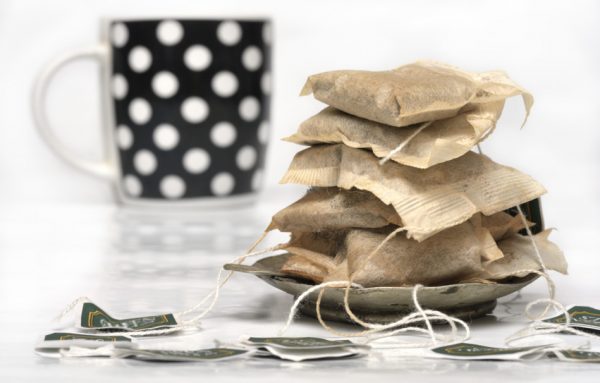
Chilled ‘used’ tea bags
Don’t throw away your tea bags. After brewing black or green tea, squeeze out excess liquid and refrigerate it. In the morning, place the chilled tea bags over your eyes for about 5 minutes. This long-standing home remedy works because caffeine and tannins help tighten the skin and encourage circulation, while antioxidants — especially in green tea — can help brighten the under-eye area.
Saltwater face wash
Add a little salt to warm water (the concentration should be similar to a saline solution). Soak a towel in the solution and apply it as a compress. This is a clever trick utilizing the physical principle of osmotic pressure. The concentration of salt water is higher than that of cell fluid, which can “absorb” excess tissue fluid around the eyes, thus achieving dehydration and reducing swelling.
Physical massage
The purpose of massage is not to “rub away” fat, but to stimulate lymphatic drainage and enhance microcirculation around the eyes — two key factors in reducing puffiness and fatigue.
Acupressure massage
Starting at the inner corner of the eye, use the pad of your ring finger — the weakest finger and ideal for delicate skin — to gently tap and press, almost like playing the piano. Move along the lower edge of the eye bag and finish at the outer corner. Never rub or pull the skin horizontally with force. The skin around the eyes is extremely thin and fragile. Aggressive rubbing damages the dermis, which not only fails to reduce eye bags but can actually accelerate fine lines and sagging.
Acupoint massage
- Chengqi point: Located directly below the pupil, in the slight hollow along the lower edge of the eye socket. Massage gently about 30 times daily to directly stimulate the under-eye area and encourage fluid drainage.
- Zanzhu point: Found in the indentation at the inner corner of the eyebrow. Massaging this point helps relieve eye strain, reduce tension, and improve sluggish blood flow caused by prolonged screen use or eye fatigue.
Acupoint massage helps unblock circulation pathways around the eyes — transforming them from “traffic jams” into smooth-flowing highways — allowing fluids and metabolic waste to move out more efficiently.

Change your habits
If you’re using the most expensive eye masks while simultaneously draining your body’s energy, even the cleverest tricks will only treat the symptoms — not the root cause.
Evening diet and hydration
Keep dinner light and limit water intake after 10 p.m. Avoid overly salty foods in the evening, as excess sodium promotes fluid retention. Overnight, that retained water has nowhere to go — often settling around the eyes and showing up as morning puffiness.
Pillow elevation while sleeping
Raise your pillow by about 1–2 inches while sleeping. This subtle elevation uses gravity to prevent fluid from pooling in the face and under-eye area overnight, making a noticeable difference by morning.
Warm-cold face washing
In the morning and evening, cleanse your face with warm water to remove oil and debris, then finish with cold water. This temperature contrast acts like a gentle workout for your blood vessels, improving circulation and elasticity around the eyes while helping reduce long-term puffiness and sagging.
Conclusion
Eye bags don’t form overnight — and reducing them naturally takes time. Along with the methods above, prioritizing adequate sleep and giving your eyes regular breaks remain the most effective long-term strategies. In eye care, consistency matters more than technique.
Translated by Patty Zhang and edited by Tatiana Denning
Follow us on X, Facebook, or Pinterest
