
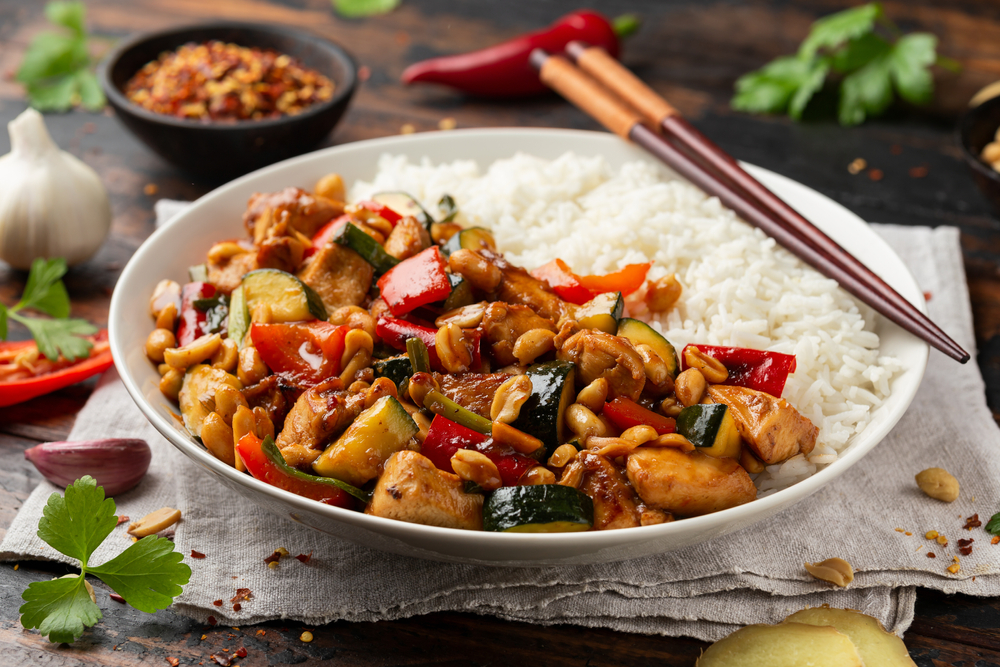
Walk into almost any Chinese restaurant in the world, and you’re likely to find one dish that has become synonymous with Chinese cuisine: Kung Pao Chicken. For many people, it is one of the first Chinese dishes they ever try. Its combination of tender chicken, dried chilies, peanuts, and savory sauce has made it a favorite far beyond China’s borders. Yet few realize that “Kung Pao” is not the name of a cooking style or a list of ingredients. It is the honorific title of a man. Behind this world-famous dish lies the remarkable story of one of the Qing Dynasty’s most respected officials — a statesman whose integrity, courage, and unwavering sense of duty earned him the admiration of the people and the respect of emperors.
The making of a legend
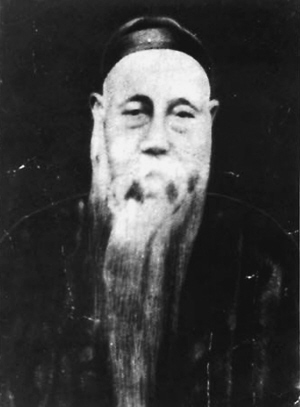
During the turbulent final decades of the Qing Dynasty, China faced profound challenges. Internal rebellions, foreign pressures, and corruption within the imperial system tested the empire’s strength. Amid this uncertain era, one official rose above the turmoil through his extraordinary integrity, courage, and dedication to public service. His name was Ding Baozhen (1820–1886).
Though millions today know the name “Kung Pao” from a beloved Chinese dish, few realize that it traces back to the honorific title of this remarkable Qing Dynasty statesman. After his death, Ding was posthumously honored with the title Grand Guardian of the Crown Prince (Taizi Taibao), and later generations came to remember him as “Lord Kung Pao.” But Ding Baozhen’s true legacy was not created in the kitchen. It was forged through decades of service, sacrifice, and unwavering commitment to what he believed was right. His journey began not as a warrior, but as a scholar. And when his homeland was plunged into chaos, he would face a choice that would forever change the course of his life.
A scholar forged into a warrior
Ding Baozhen was born in 1820, during the reign of the Jiaqing Emperor, into a respected scholarly family in Pingyuan, Guizhou Province (present-day Zhijin County). From an early age, Ding distinguished himself through his intelligence and dedication to learning. In 1853, at the age of 33, he successfully passed the imperial examinations and was appointed as a junior scholar at the prestigious Hanlin Academy—the traditional pathway to high office for China’s most accomplished scholars. His future appeared destined to unfold among classical texts, official writings, and the refined world of scholarly life. History, however, had other plans.
While observing the traditional mourning period following his mother’s death, Ding witnessed his homeland descend into chaos. Large-scale peasant uprisings and Miao rebellions erupted throughout Guizhou. Town after town fell, and before long, his own hometown of Pingyuan stood on the brink of destruction. At a time when many might have sought only personal safety or continued their scholarly pursuits, Ding felt a deeper responsibility toward the people around him.
He held a conviction that would guide his entire career—one he later expressed repeatedly in his writings and correspondence: “The people are the foundation of the nation. To strengthen the people’s spirit is to strengthen the nation’s lifeblood.” For Ding Baozhen, these were not merely elegant words from a scholar. They became a lifelong principle. When his country and his people faced crisis, he put those ideals into action—leaving behind the quiet world of books and stepping onto the battlefield as a defender of the people he had vowed to serve.
Selling everything to save his home
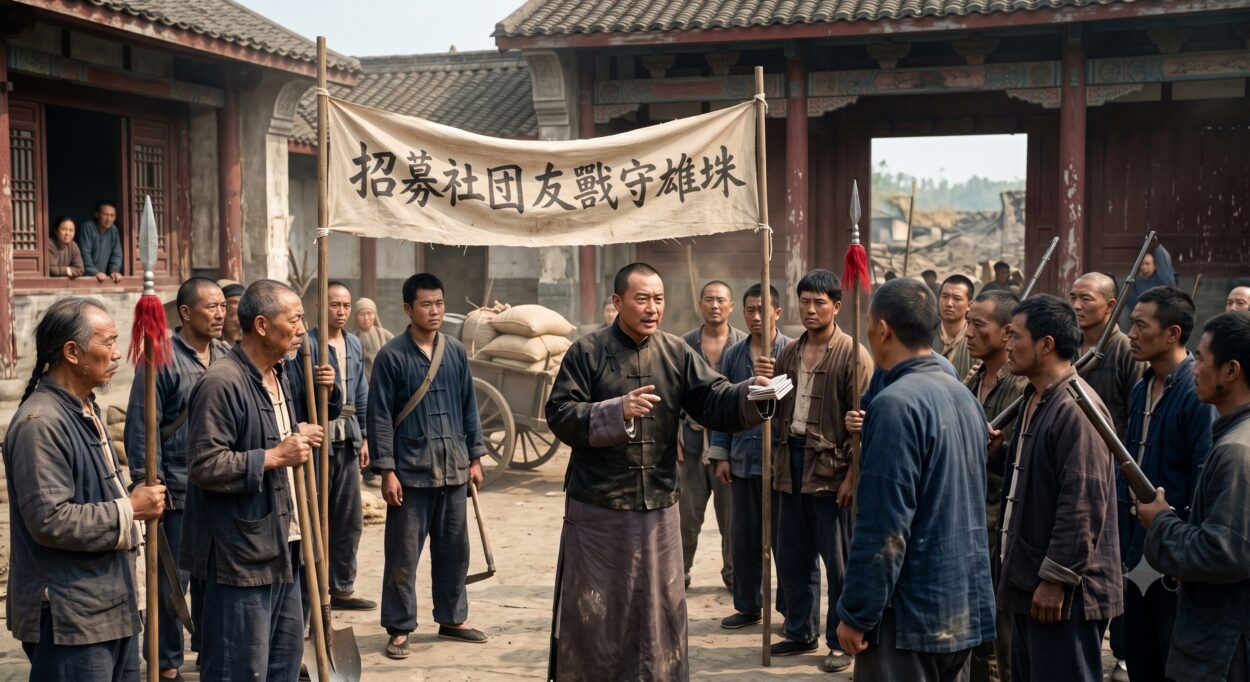
Faced with the devastation spreading across his homeland, Ding Baozhen made a decision that astonished his relatives and neighbors. He sold nearly all of his family’s ancestral property. Rather than preserving his own wealth or waiting for the government to respond, he used the proceeds to recruit and equip local volunteers willing to defend their communities. Within only a few days, he had assembled a force of nearly 800 men.
The scholar who had once devoted himself to books and classical learning now exchanged his scholar’s robes for armor and weapons. Leading from the front, Ding personally fought alongside his volunteer soldiers in fierce close combat against the rebels. During the defense of Pingyuan, he repeatedly placed himself in the most dangerous positions, narrowly escaping death several times. Against forces far more numerous, his determination, courage, and unexpected military ability enabled his small army to defeat enemies that should have overwhelmed them. His achievements soon attracted the attention of the Qing court.
Officials recognized that beneath the appearance of a Confucian scholar was the heart of a capable commander. When his mourning period officially ended, Ding received the unusual appointment to continue serving in the military. His forces grew from 800 to 4,000 men, and he went on to recapture several strategically important cities, including Pingyue and Dushan.
From that moment onward, Ding Baozhen stepped onto the national stage. His name became associated with two qualities that would define his entire life: unyielding integrity and fearless resolve. Those qualities would soon be tested in a confrontation that shocked the Qing Empire. The person Ding dared to challenge was no ordinary official—but one of the most powerful figures in the imperial court: An Dehai, the favored eunuch of Empress Dowager Cixi.
See Part 2 here
See Part 3 here
See Part 4 here
Translated by Katy Liu and edited by Tatiana Denning
Follow us on X, Facebook, or Pinterest
