
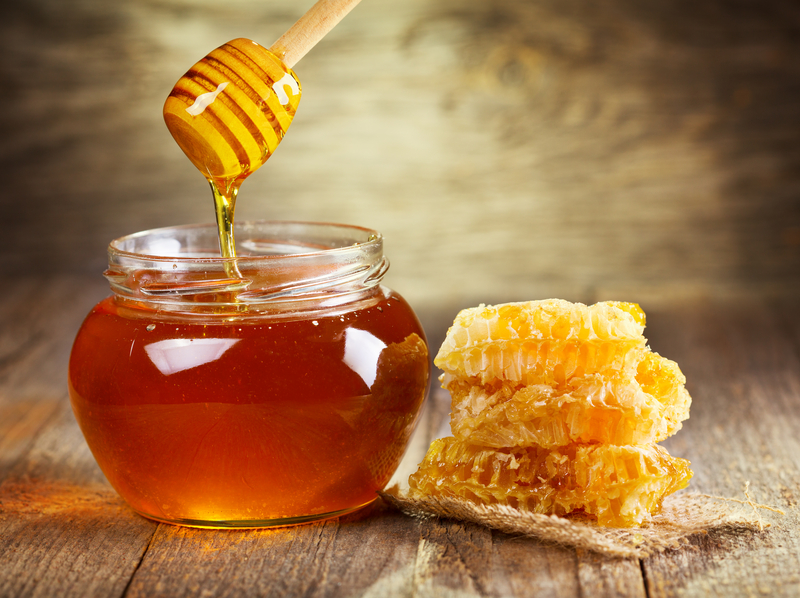
Honey does far more than soothe a cough. In traditional Chinese medicine and everyday wellness practices, it has long been valued for a wide range of surprising benefits. When is the best time to consume it? Zhang Weijun, the fifth-generation successor of the century-old traditional Chinese medicine (TCM) family clinic Huai Sheng Tang, shares practical uses for honey that go far beyond the ordinary.
16 ingenious uses for honey
1. Liver protection before drinking
If you expect to consume alcohol during social engagements, drinking about 30 grams of honey mixed with water beforehand may help support liver function and improve alcohol tolerance.
2. Relieving headaches and hangovers
Drinking honey water after alcohol intake may help reduce the risk of next-day headaches and hangover symptoms.
3. Calming drunken agitation
For someone who becomes overly agitated or disruptive due to intoxication, honey water or a honey-based drink is traditionally believed to help calm the system and ease alcohol-induced restlessness.
4. Maintaining stamina and preventing heatstroke
During hiking or mountaineering, plain water may not always fully quench thirst or restore energy. Honey water can help maintain stamina, support hydration, reduce fatigue, and ease leg muscle soreness.

5. Delaying the onset of toxicity
In cases of accidental ingestion of poisonous mushrooms, rat poison, pesticides, or even venomous snakebites, drinking honey water is traditionally believed to help delay the progression of symptoms, providing additional time to seek emergency medical care.
6. Promoting sleep
Honey contains glucose along with trace amounts of vitamins, magnesium, phosphorus, and calcium. These nutrients are traditionally considered to help calm the nervous system and support more restful sleep.
7. Improving light sleep and excessive dreaming
For those prone to light, restless sleep or frequent dreaming, a traditional remedy is to boil three dried longan fruits and two red dates in water, then add a small amount of honey for flavor. Drinking this before bed may help promote deeper, more stable sleep.
8. Supporting diabetic foot wound healing
In Taiwanese folk medicine, honey has long been used to support the healing of superficial diabetic wounds, including lower-limb ulcers, infections, and minor sores. Its high sugar content can inhibit bacterial growth, including some drug-resistant strains. However, it is not suitable for all cases. Honey is generally less effective for deep wounds involving bone or osteomyelitis, and it should not replace proper medical treatment for serious infections.
For more superficial conditions — such as minor ulcers, mouth sores, chronic skin wounds, or burns — it is traditionally believed to help support tissue repair while reducing the risk of infection.
9. Moisturizing dry, cracked skin
Applying honey to the skin may help moisturize and protect against dryness, cracking, and discomfort commonly experienced on the hands and feet during cold weather.
10. Alleviating acid reflux on an empty stomach
Honey water may help soothe acid reflux that occurs on an empty stomach, though it is not typically used for reflux symptoms that appear after meals.
11. Relieving symptoms of hypoglycemia
A glass of honey water may help quickly relieve symptoms associated with low blood sugar or prolonged hunger, such as dizziness, palpitations, tremors, and irritability.
12. Alleviating cold symptoms
In the early stages of a cold, steeping 5g of mulberry leaves and 5g of mint leaves in 500ml of hot water for about 30 minutes, then adding honey for flavor, may help support recovery and relieve mild symptoms.
13. Supporting prostate health
Tomatoes are traditionally believed to help with benign prostatic hyperplasia (BPH) and chronic prostatitis. Eating tomatoes dipped in honey is said to help ease discomfort associated with an enlarged prostate.
14. Supporting recovery during chemotherapy
Patients undergoing chemotherapy often experience poor appetite and altered taste. Honey water is traditionally used to help replenish energy and fluids and support general metabolic recovery during treatment.
15. Supporting blood sugar balance
Blending bitter melon into juice and adding a small amount of honey is traditionally believed to help support healthy blood sugar levels and metabolic balance.
16. Clearing internal heat and supporting daily wellness
Adding a small amount of honey to grass jelly tea or roselle tea in summer may help “clear internal heat” and support cooling and hydration. Additionally, blending kiwi and asparagus with a small amount of honey can be used as a daily wellness drink, providing vitamin C and antioxidant support.

The differences between raw and processed honey
Honey is generally categorized into raw and processed (heated) varieties, each traditionally believed to offer different health properties.
Li Shizhen (1518–1593), the renowned physician and pharmacologist of the Ming Dynasty (1368–1644), noted in his Compendium of Materia Medica (Bencao Gangmu) that honey is “cooling in its raw state, thus capable of clearing heat; warming in its cooked state, thus capable of nourishing the body’s center.” In traditional interpretation, raw honey is considered cooling and may help clear excess internal heat, while heated or processed honey is viewed as warmer and is believed to support digestion and nourish the body’s internal energy systems.
In modern commercial practice, most honey is lightly heated and filtered to improve clarity and delay crystallization. However, this industrial processing does not necessarily correspond to the traditional concept of “cooked honey” described in classical texts.
Within TCM usage, “raw honey” refers to honey that has undergone minimal processing and retains more of its natural properties. It is traditionally considered cooling in nature, with strong moisturizing effects, and is often used in diluted form for hydration and relief of internal heat. It is also commonly associated with supporting bowel regularity in individuals with a “hot” constitution.
By contrast, “cooked honey” refers specifically to honey that has been slowly simmered over low heat as a deliberate traditional preparation method. This process changes its physical properties and is understood to shift its nature toward “warm.” In classical usage, it is considered gentler on the digestive system and less likely to cause loose stools. For this reason, cooked honey is traditionally used for the elderly, the frail, or those recovering from illness, where a more warming and supportive effect is desired.
Conclusion
Honey’s enduring place in traditional wellness isn’t just about its sweetness — it’s about its remarkable ability to bridge nourishment, comfort, and care. Whether used to support the body during stress, ease everyday discomforts, or complement broader healing practices, honey reflects a long-standing cultural intuition: simple things, used wisely, can have meaningful effects.
Taken together, these remedies highlight how deeply honey is woven into daily life — not as a cure-all, but as a gentle, adaptable companion to health. Its value lies in its versatility, accessibility, and the way it connects modern routines with millennia of lived experience.
Translated by Patty Zhang and edited by Tatiana Denning
Follow us on X, Facebook, or Pinterest
