
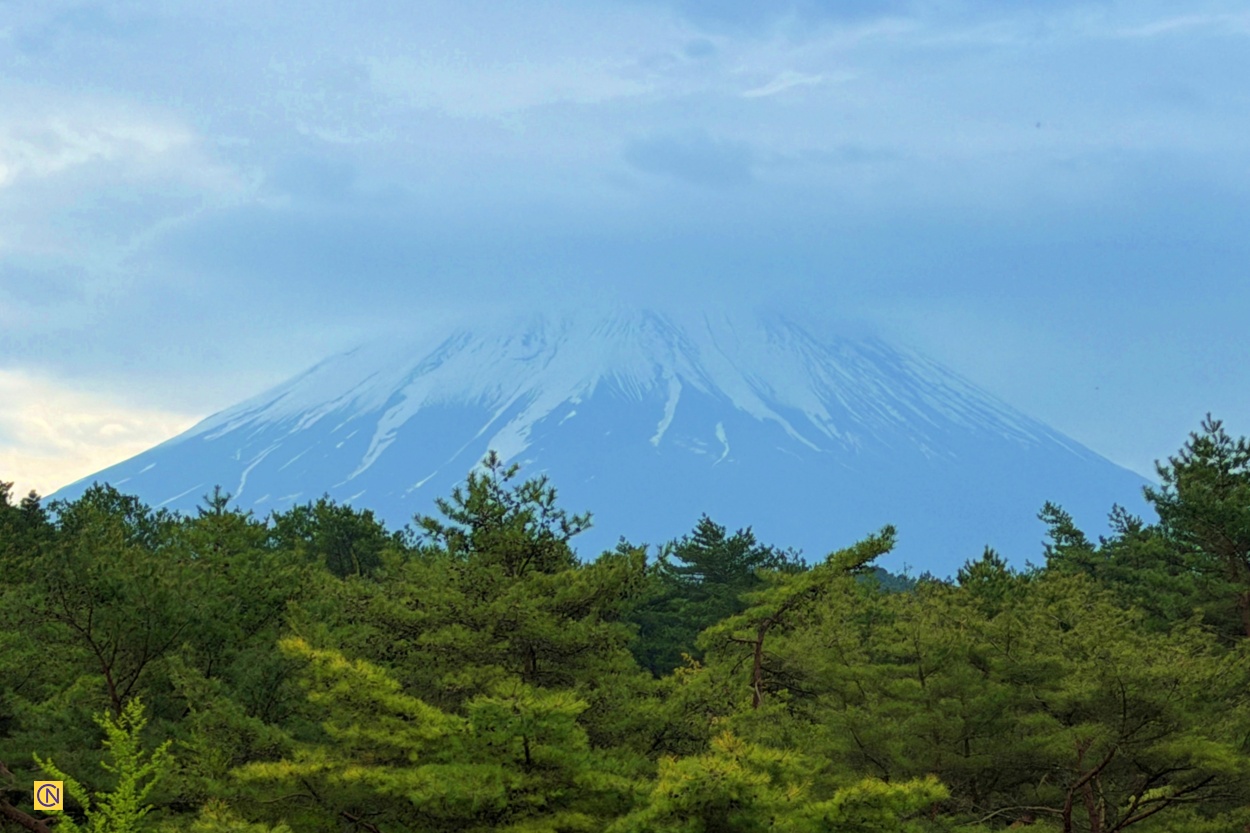
Japan’s 1,000 Yen banknote is more than just legal tender — it is a miniature work of art that celebrates the country’s rich cultural heritage and breathtaking natural beauty. The reverse side of the Series-E 1,000 Yen note, first issued on November 1, 2004, features one of Japan’s most recognizable landscapes. The majestic Mt. Fuji is reflected in the tranquil waters of Lake Motosu, framed by delicate cherry blossoms. This timeless scene has become one of the best-known images associated with Japan and continues to captivate visitors from around the world.
Hideyo Noguchi: The Face of the 1,000 Yen Banknote
The front of the Series-E 1,000 Yen banknote features the portrait of Dr. Hideyo Noguchi (1876-1928), one of Japan’s most celebrated bacteriologists. Noguchi devoted his life to medical research and gained international recognition for his work on infectious diseases. In 1911, he identified the bacterium responsible for syphilis, helping scientists better understand the cause of progressive paralytic disease. Later in his career, he conducted extensive research on yellow fever in Africa, where he tragically contracted the disease and passed away in 1928. His lifelong dedication to science and humanity earned him a place on one of Japan’s most widely used banknotes.
The Story Behind the Reverse Design
The stunning landscape on the reverse side of the banknote was adapted from Spring by the Lake (Kohan no Haru), one of the best-known photographs by renowned Japanese landscape photographer Koyo Okada. Famous for capturing Japan’s mountains and scenic landscapes, Okada photographed this remarkable view from the shore of Lake Motosu in Yamanashi Prefecture.
On a calm day, the lake’s crystal-clear surface mirrors Mt. Fuji almost perfectly, creating the spectacular phenomenon known as “Reverse Fuji.” This symmetrical reflection has long been admired by photographers, artists, and travelers as one of the most beautiful natural scenes in Japan.
Unlike the earlier Series-D 5,000 Yen banknote, which used the same photograph but included a pine tree in the foreground, the 1,000 Yen banknote features graceful cherry blossoms, adding a distinctly Japanese touch that symbolizes spring, renewal, and the fleeting beauty of nature.
Lake Motosu: The Deepest of the Fuji Five Lakes
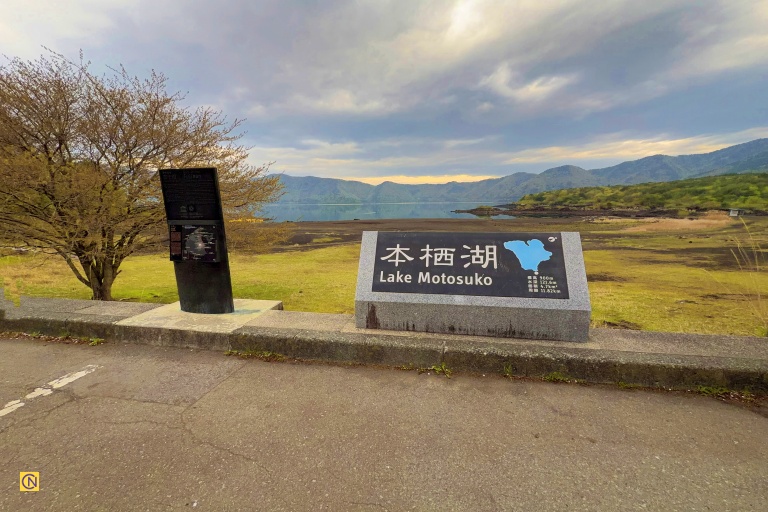
Lake Motosu is one of the renowned Fuji Five Lakes located at the northern foot of Mt. Fuji. Straddling Fujikawaguchiko Town and Minobu Town in Yamanashi Prefecture, the lake is the deepest of the five, reaching a depth of 121.6 meters. Covering approximately 4.7 square kilometers and situated at an elevation of about 900 meters above sea level, It is also the third largest among the Fuji Five Lakes.
Geologists believe that Lake Motosu, Lake Saiko, and Lake Shoji were once part of a single large lake before volcanic activity from Mt. Fuji separated them thousands of years ago. Today, these lakes remain connected through underground water systems, contributing to the exceptional clarity of Lake Motosu’s water.
Springtime Beauty Around Lake Motosu
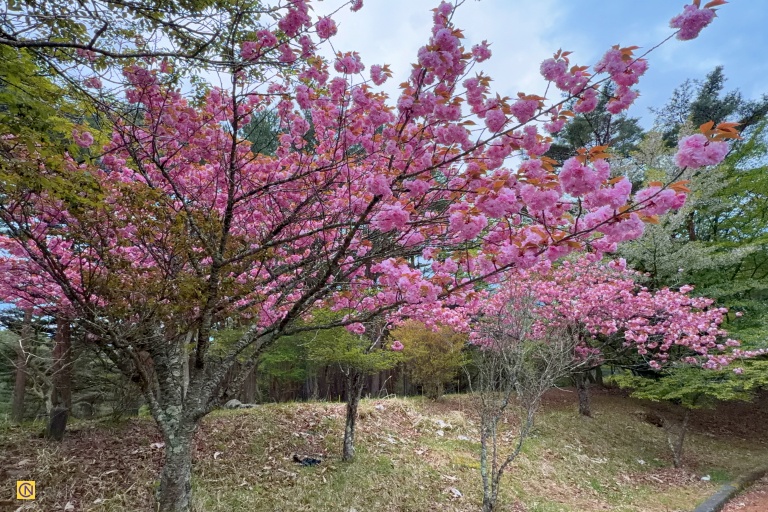
Every spring, from April to May, the shores of Lake Motosu come alive with blooming double-flowered cherry blossoms. Unlike the more common five-petaled Somei Yoshino cherry trees, double cherry blossoms have many overlapping petals that resemble soft pink pom-poms. Because they bloom later than ordinary cherry blossoms, they perfectly match the cooler spring climate around Mt. Fuji.
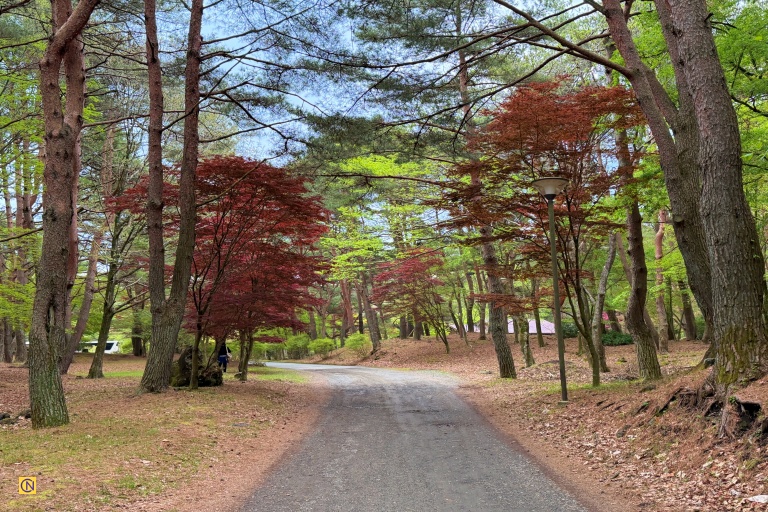
(Image: Billy Shyu via Nspirement)
When these blossoms are combined with the snow-capped peak of Mt. Fuji and the lake’s mirror-like reflection, the scenery becomes truly unforgettable. It is no surprise that photographers from around the world travel here every year to capture this breathtaking landscape.
A Comfortable Stay Near the Lake
Many visitors wishing to experience this remarkable destination often choose the Motosu Phoenix Hotel, conveniently located just a three-minute walk from the lakeshore within the Fuji-Hakone-Izu National Park. Surrounded by peaceful forests, the hotel provides an ideal retreat for travelers seeking both relaxation and natural beauty.
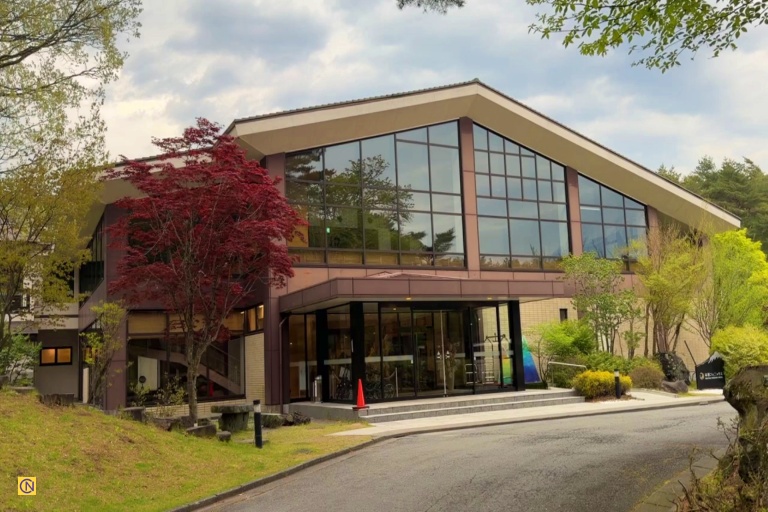
The hotel features spacious indoor hot spring baths, open-air rock baths, and comfortable guest rooms. Large windows in the restaurant allow guests to enjoy spectacular views of Mt. Fuji while dining. Throughout the changing seasons, visitors can admire snow-covered winter scenery, colorful autumn foliage, vibrant spring blossoms, and lush summer landscapes — all with Japan’s most iconic mountain as the backdrop.
Experiencing the Landscape Beyond the Banknote
The famous banknote image represents only one moment in time. Travelers who visit Lake Motosu can experience the landscape from many different viewpoints, including nearby communities overlooking the lake, lakeside walking paths, and scenic observation areas. Every season offers a different perspective of Mt. Fuji, while changing weather and light conditions create countless unique photographic opportunities.
Whether visitors come to admire the legendary “Reverse Fuji,” enjoy the blooming cherry blossoms, soak in a natural hot spring, or simply appreciate the peaceful atmosphere of the Fuji Five Lakes region, the lake offers an unforgettable experience.
A Living Symbol of Japan’s Natural Heritage
For many people, the image of Mt. Fuji on Japan’s 1,000 Yen banknote is instantly recognizable. Yet behind this familiar design lies a real place of extraordinary beauty and cultural significance. Lake Motosu is not only the setting for one of Japan’s most famous photographs, but also a destination where nature, art, and history come together in perfect harmony.
For travelers exploring Japan, a visit to Lake Motosu offers the rare opportunity to step directly into one of the country’s most iconic images — the breathtaking landscape that has been carried in the pockets of millions on Japan’s 1,000 Yen banknote.
