
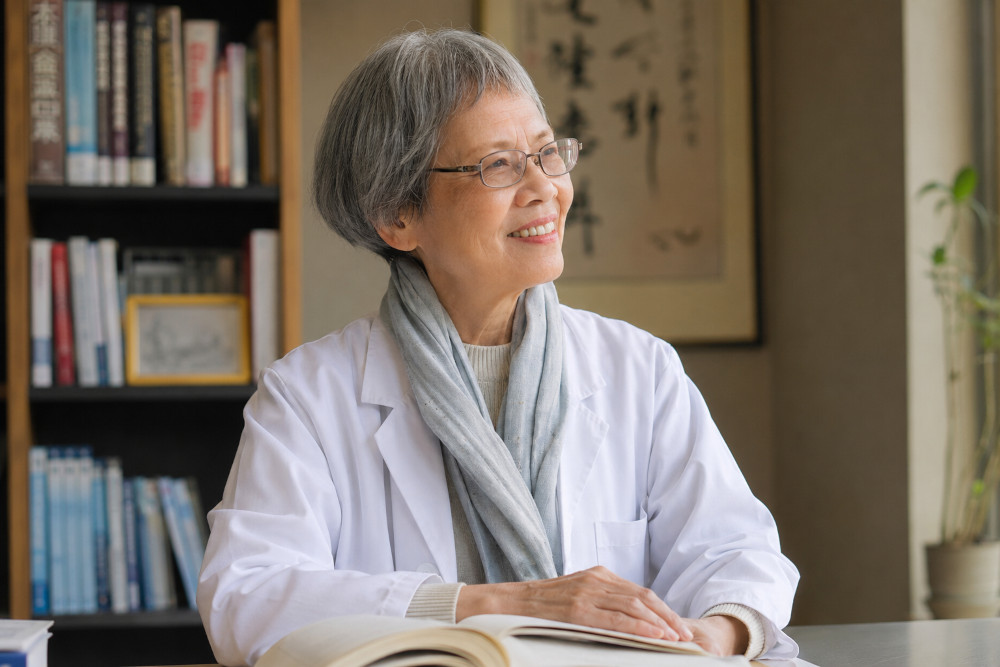
Dr. Li Feng was born in 1939 and graduated at the top of her class from the National Taiwan University College of Medicine. In the summer of 1968, she traveled to Canada to pursue advanced studies in pathology at the University of Toronto, specializing in cancer research. During her third year of graduate school, she was diagnosed with lymphoma.
After returning to Taiwan, Li Feng served as a professor at the National Taiwan University College of Medicine and as chief pathologist at National Taiwan University Hospital. She retired in 1998 while, according to source accounts, still living with lymphoma. She later became director of the Li Feng Pathology Center.
The following account has been translated, condensed, and edited for clarity while retaining Li Feng’s first-person perspective.
Editor’s Note: This article presents Dr. Li Feng’s personal recollections and health beliefs, many of which were expressed decades ago. Some of her views — particularly those concerning cancer treatment, medication, diet, oxygen, and emotional states — are not supported by current medical evidence. The article is published as a personal account, not as medical guidance. Readers should consult a qualified healthcare professional before changing any treatment, medication, diet, or exercise program.
A diagnosis that changed everything
Living in harmony with lymphoma has been the greatest challenge of my life. Yet I am grateful for what the experience taught me and for the insights I gained from it. Most importantly, it convinced me that I needed to take an active role in caring for my health.
Thirty years ago, while pursuing advanced studies at a research institute in Toronto, I was looking forward to completing my graduate coursework in another year. Then I learned that I had cancer.
The day after surgery, when the diagnosis was confirmed, the head of the institution where I worked came to see me. After expressing sympathy, he compared the workplace to a machine in which every employee was a small but necessary component. If one component stopped working, he said, the efficiency of the entire machine would suffer. Because I would probably be unable to work for a long time, he asked me to resign immediately.
At approximately the same time, my boyfriend began distancing himself from me. I suddenly felt completely isolated. I had lost my job, felt rejected by society, and believed I had been abandoned by the person I loved. Even my own health seemed to have betrayed me. My sense of personal worth collapsed. My spirits reached their lowest point, and I contemplated suicide.
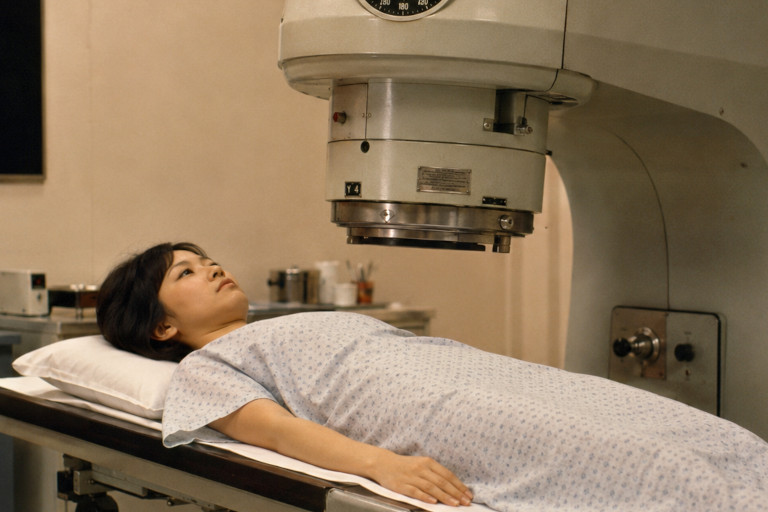
I underwent surgery followed by numerous courses of radiation therapy. More than a year later, however, my condition continued to fluctuate, and the cancer had not completely disappeared.
Eventually, chemotherapy appeared to be the only remaining option. By present-day standards, the treatment available at the time was comparatively harsh. After undergoing chemotherapy for a period, my platelet count became dangerously low. The slightest contact left bruises across my body, and serious internal bleeding could have been fatal.
I asked my attending physician whether we could temporarily suspend the treatment, but he did not agree. I felt trapped between two dangers: continuing the medication and risking severe bleeding, or stopping it and risking the progression of cancer.
After considerable thought, I decided to become what I called a “rebellious patient” and discontinued chemotherapy on my own. Looking back, I came to believe that this act of rebellion had saved me.
Returning to Taiwan and questioning medications
After returning to Taiwan, I was surrounded by familiar places and the warmth of old friendships. I was also fortunate enough to resume working. My outlook gradually shifted from despair toward hope. Although the lymphoma remained, I began learning how to live peacefully alongside it. During the period described in this account, it did not recur in the way I had feared.
My physical health, however, remained fragile. The effects of cancer and its treatment repeatedly sent me back to the hospital. I was constantly being admitted and discharged, and I came to feel as though my life revolved around pill bottles.
More than ten years later, I was admitted to National Taiwan University Hospital after suffering from a high fever for two weeks. Following numerous examinations and consultations, doctors told me that I had developed pulmonary tuberculosis for the third time. I was discouraged, but I accepted the diagnosis and began taking the prescribed medication.
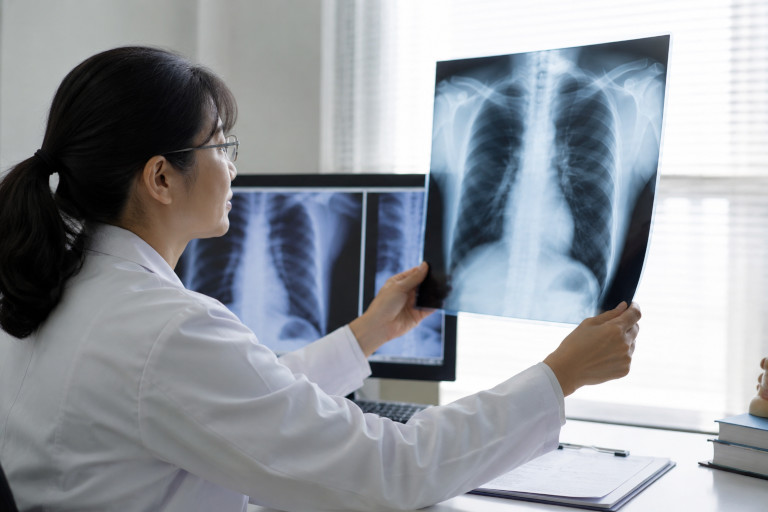
On the third day of treatment, blood tests showed that I had developed toxic hepatitis associated with the anti-tuberculosis drugs. Once again, I stopped the medication. For the next month, I spent much of my time sleeping or meditating. When another chest X-ray was taken, the abnormality that had been identified as tuberculosis was no longer visible.
This discovery stunned me. Tuberculosis would not ordinarily disappear within a month without medication; the original diagnosis had almost certainly been a mistake. I reflected deeply: I had taken so many powerful medications for no good reason, only to suffer a host of serious side effects. I began asking myself whether cancer would eventually take my life or whether I might suffer greater harm from treatment-related complications.
That hospital stay solidified my resolve never to rely on medication again. Since that day, I have not swallowed a single pill — not even a vitamin supplement.
Taking an active role: Understanding body strain
I began looking beyond medication and thinking more seriously about how my habits, surroundings, and emotional condition affected my well-being. I read extensively and explored traditional practices and folk remedies. Over time, I concluded that I needed to change the way I thought, ate, worked, and lived.
I began asking myself what my life had been like before the diagnosis:
- Climate: While studying in Canada, I lived in a climate that I found physically difficult.
- Financial strain & diet: Attempting to support my family while completing demanding graduate work, I saved money by eating inexpensive, repetitive meals — a cheese sandwich for breakfast and lunch, and noodles with frozen peas and cheap chicken or duck gizzards for dinner.
- Workplace stress: My employer was demanding, and I lived under constant pressure. My days became a repetitive cycle of working, studying, and returning home, with little time for rest, companionship, or relaxation.
I came to believe that I had ignored signs that my body and mind were under excessive strain. Rather than viewing the cancer as something I had deliberately caused, I began to interpret it as a warning that the way I was living had become unsustainable.
In hindsight, I even came to believe that cancer had saved me. It gave me a reason to leave an environment that I felt was damaging my health and forced me to reconsider the direction of my life.
Illness is not a rebellion by the cells. It is the result of the pressure we place on them without realizing that we have exceeded what they can bear. Disease is simply the cry for help from cells that can no longer endure the strain. If we take responsibility, reflect on our habits, and treat our cells with greater care — while using appropriate medical treatment when necessary — even a serious illness may leave considerable room for recovery.
Years ago, I examined tissue from a patient who had been treated for nasopharyngeal cancer and had experienced no recurrence for 26 years before dying from another cause. Cancer cells were still visible in the tissue, but they were surrounded by normal cells. Improving the body’s internal environment so that cancer cells cannot grow is a lifelong endeavor. There is no room for complacency.
Rethinking diet and nourishment
Diet was one of the first areas I changed. I believed that what people ate supplied the materials their cells used to function and rebuild themselves. I therefore became increasingly concerned about processed foods, additives, spoiled food, overeating, and meals that lacked balance.
My general approach was to eat simpler foods, reduce heavily processed products, and consume more vegetables, fruit, and whole grains.

After practicing yoga for several years, I found that I no longer wanted meat. If meat entered my mouth, I instinctively spit it out. Because my decision was not based on religion, I interpreted this response as my digestive system telling me that meat was no longer suitable for me.
I eventually became a vegetarian and believed that the change contributed to my improving health.
Based on my own theories about digestion and hormones, I became particularly insistent that patients with stomach, colorectal, cervical, breast, or prostate cancer adopt vegetarian diets. For other cancer patients who wanted to stop eating meat, I recommended a gradual approach: first giving up four-legged animals, then two-legged animals, and finally fish and other legless animals.
These recommendations grew out of my own experience and the conclusions I drew from it. For me, however, the broader lesson was that food should nourish the body rather than overburden it.
Changing my diet required me to pay closer attention to what I consumed, how much I ate, and how my body responded. It also gave me a sense that I was no longer merely waiting for others to restore my health. I was participating in my own care.
Yet I was still physically weak, sensitive to changes in weather, and easily exhausted. The next stage of rebuilding my life began with something far more difficult for me than changing my meals: getting up and walking.
Translated by Eva
Follow us on X, Facebook, or Pinterest
