

The kidneys are vital filtering organs that remove waste products, balance electrolytes, and regulate blood pressure. When kidney function begins to decline due to conditions like chronic renal failure, hypertension, or diabetes, dietary management becomes one of the most powerful tools available to patients and healthcare providers alike. Medical professionals often emphasize that proper nutrition can slow disease progression, reduce systemic inflammation, and ease the burden on delicate renal tissues.
Adding nutrient-dense foods to your daily meals provides essential vitamins, minerals, antioxidants, and healthy fats that support overall renal health.
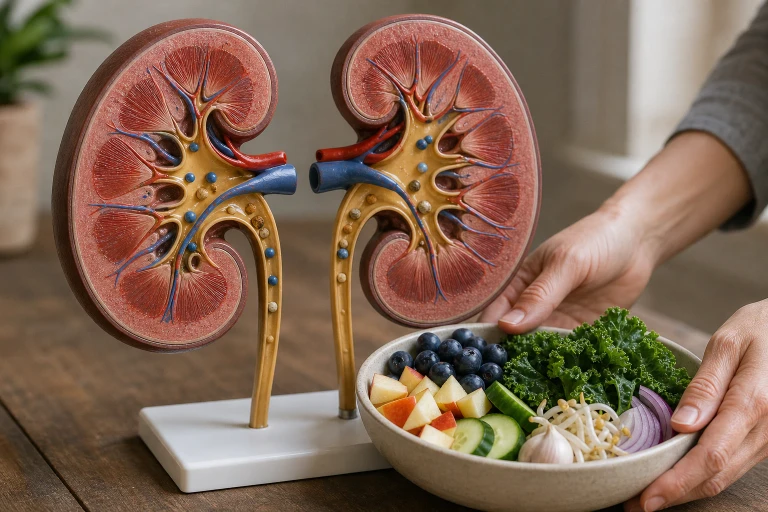
In-depth review of 10 exceptional foods to protect and optimize kidney function
1. Fish Oil
Fish oil remains one of the top kidney-protecting supplements and nutritional recommendations physicians worldwide recommend. Rich in Omega-3 polyunsaturated fatty acids, high-quality fish oil promotes healthy blood circulation and actively improves the glomerular filtration rate, which measures how efficiently your kidneys filter waste. It also has potent anti-inflammatory properties that help reduce blood vessel hardening, protect against endothelial damage, and minimize proteinuria — the abnormal spilling of protein into the urine. By lowering blood lipid levels and reducing systemic blood pressure, fish oil protects both the cardiovascular system and the kidneys, which are closely linked.
2. Blueberries
Often hailed as nature’s “superfruits,” blueberries are remarkably low in potassium yet extraordinarily high in protective antioxidants. In fact, they boast an antioxidant capacity more than ten times greater than that of green tea. The abundant anthocyanins and flavonoids found in blueberries protect the delicate microvessels of the renal glomeruli from oxidative stress, help regulate blood sugar levels, and inhibit harmful bacterial growth. They also help prevent mineral crystallization in the urinary tract, helping ward off painful kidney stones and recurrent urinary tract infections.
3. Kale
Kale is a nutrient-dense cruciferous “super-vegetable” that packs an incredible nutritional punch, containing more calcium than milk and more iron than spinach. It is also exceptionally rich in vitamins C, E, and K, as well as beta-carotene. Kale’s high potassium content helps the body eliminate excess sodium, reducing edema and fluid retention. However, because of its high potassium content, patients with advanced chronic renal failure are typically advised to blanch kale in boiling water before eating to safely leach out some of the potassium.
4. Black wood ear mushroom
Often called “meat from the trees,” black wood ear mushrooms are a great addition to a kidney-friendly diet because they are high in dietary fiber and calcium while remaining low in phosphorus and potassium. Their iron content is an impressive five times that of pork liver, making them exceptionally beneficial for preventing and alleviating nutritional anemia. With about 7.4 grams of dietary fiber per 100 grams, they help regulate blood lipid levels, promote healthy gastrointestinal motility, and naturally help lower blood pressure.
5. Bean sprouts
Bean sprouts are an affordable, highly nutritious food rich in high-quality, high-fiber, plant-based protein. They are remarkably kidney-friendly because their protein structure is gentle on the body and unlikely to cause dangerous uremic toxin accumulation in individuals with compromised renal function. Both soybean and mung bean sprouts contain more dietary fiber than standard cabbage, helping the digestive tract eliminate uremic toxins more efficiently and lowering serum cholesterol and blood lipids.
6. Apples
Nephrologists often recommend apples as a low-potassium, highly protective fruit and suggest eating them with the skin on to maximize nutrient intake. Rich in soluble fiber like pectin and powerful phytochemicals such as polyphenols, chlorogenic acid, and quercetin, apples help stabilize blood glucose levels and lower blood pressure and LDL cholesterol. Furthermore, their pectin content promotes regular intestinal motility, which helps the body eliminate uremic toxins through the digestive tract rather than forcing the kidneys to filter them entirely on their own.
7. Olive oil
Olive oil is a cornerstone of heart-healthy nutrition, packed with monounsaturated fatty acids and vitamin E. Extensive studies on the Mediterranean diet show that consistently high intake of extra virgin olive oil significantly reduces the risk of cardiovascular disease, certain cancers, and chronic kidney disease. When cooking with olive oil, low-temperature sautéing or drizzling it raw over salads and cold dishes is strongly recommended to preserve its delicate chemical structure and health-promoting antioxidants.
8. Garlic
Garlic is a potent culinary and medicinal bulb rich in allicin, dietary fiber, and vitamin B1. It possesses strong natural antibacterial and anti-inflammatory properties, making it particularly beneficial for patients managing hypertensive nephropathy. Additionally, garlic serves as an excellent flavor enhancer that can replace table salt and high-sodium commercial sauces, further reducing the sodium burden on the kidneys. For maximum medicinal benefit, eat it raw and finely chopped, though individuals with sensitive stomachs may choose to lightly cook it before consumption.
9. Onions
Onions are rich in potent bioactive antioxidants, including sulfur-containing compounds and flavonoids. They offer broad anti-inflammatory, antibacterial, blood sugar-lowering, blood pressure-lowering, and cholesterol-lowering benefits, making them a wonderful dietary ally against chronic glomerulonephritis and diabetic nephropathy. Diabetic patients can safely eat a moderate amount — typically 25 to 50 grams — per meal to enjoy these protective benefits without disrupting blood glucose stability.
10. Cucumbers
Cucumbers are up to 90% water and rich in vitamins A, C, and K, plus beneficial dietary fiber. They contain quercetin, a natural plant pigment that acts as a gentle diuretic. This promotes healthy hydration while helping the body eliminate excess uric acid and circulating uremic toxins, which can help prevent kidney stones, gout flare-ups, and urinary tract infections.

Medical guidance and monitoring for renal health
Beyond making smart dietary choices, Dr. Hong Yong-Xiang strongly emphasizes that patients suffering from chronic renal failure or impaired kidney function must maintain regular medical oversight. Patients should return for follow-up blood tests every three months to closely monitor key health markers, electrolyte levels, and renal filtration efficiency.
If routine blood panels show serum phosphorus or potassium levels above 5 mg/dL, patients must strictly limit foods high in these minerals. Always use proper culinary preparation techniques, such as blanching high-potassium vegetables before consumption, to support safe, healthy, long-term nutrition management.
Translated by Patt Zhang and reviewed by Amanda
Follow us on X, Facebook, or Pinterest
