
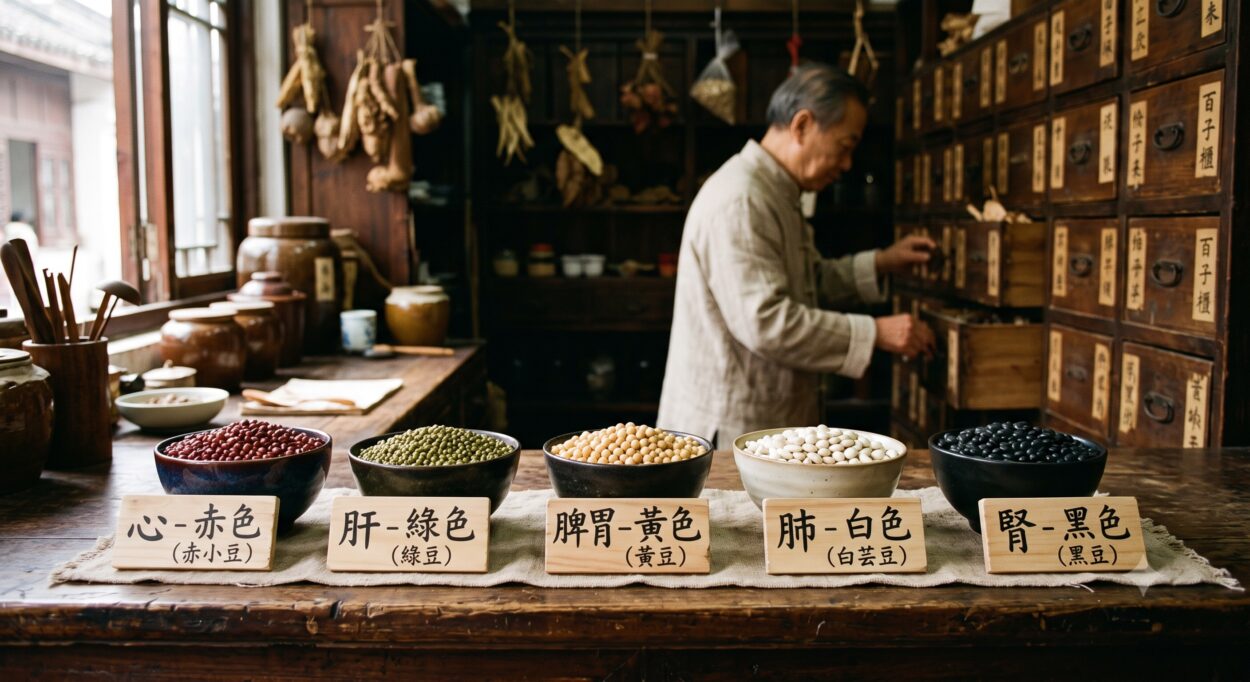
White hyacinth beans are an excellent dietary choice for preventing infection, given their well-known ability to strengthen the spleen and stomach, as well as their antiviral properties. Meanwhile, consuming mung beans is especially beneficial for individuals prone to severe inflammation or excessive internal heat. Overall, incorporating a balanced bowl of “five colored beans” into your diet provides vital support for all major internal organs.
Explorer Dan Buettner introduced the concept of “Blue Zones” after studying long-lived global populations who typically enjoy long, healthy lives rather than spending their final years managing chronic illnesses. Their lifestyle patterns share several key commonalities: a plant-based diet, consistent daily movement, rich social connections, effective stress management, and sufficient sleep. Notably, regularly eating nutrient-dense beans represents one of the foundational dietary elements across these resilient Blue Zone communities.
Selecting five colored beans tailored to specific physical constitutions supports long-term vitality
Traditional Chinese Medicine (TCM) associates bean colors with organ systems: red corresponds to the heart, green to the liver, yellow to the spleen and stomach, white to the lungs, and black to the kidneys. When a specific organ needs support, eating beans of the corresponding color helps restore balance and vitality. Because TCM emphasizes personalized health, bean consumption should always be tailored to your body’s specific constitutional needs rather than treated as a universal prescription.
Individuals with a yang-deficient constitution often experience cold hands and feet, and general cold intolerance, requiring thick bedding in winter and extra layers in summer. Black and yellow soybeans make ideal dietary choices, particularly when paired with warming ingredients such as fresh ginger, dried longan, or aged tangerine peel. Conversely, because mung beans possess a naturally cooling property, individuals with this constitution should generally avoid consuming them.
People with a damp-heat constitution frequently suffer from acne, dry mouth, internal heat, and constipation or sticky stools, requiring dietary choices that effectively clear internal damp heat. Combining mung beans or adzuki beans with Job’s tears (Coix seed) provides an exceptionally effective remedy for flushing out accumulated damp heat.
Those who suffer from spleen and stomach coldness or deficiency frequently struggle with indigestion and loose stools. Eating white hyacinth beans and soybeans provides significant relief, as white hyacinth beans excel at strengthening digestive function. However, excessive consumption of cooling mung beans must be strictly avoided to prevent worsening existing internal coldness.
Different types of beans provide distinct therapeutic benefits for overall wellness
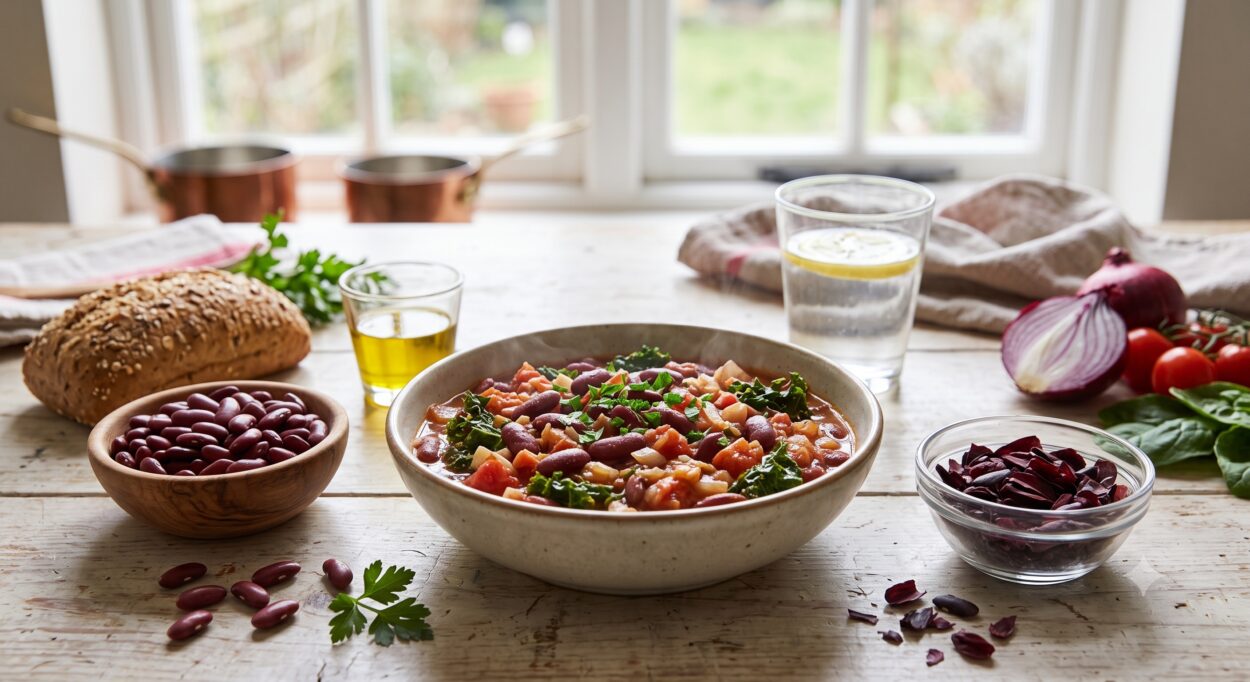
Red beans offer remarkable cardiovascular benefits because their high dietary fiber content protects the heart while lowering blood pressure, blood sugar, and cholesterol. Research shows that red bean pigments contain rich polyphenols that safeguard blood vessels and lower blood pressure, while their saponins and flavonoids actively reduce blood lipids. Additionally, drinking classic red bean soup helps clear toxic heat, eliminate edema, assist weight loss, and alleviate summer irritability or insomnia.
Specialized soup combinations further target specific health concerns. Red bean soup made with lotus seeds and lily bulbs clears internal heat while nourishing the heart; lily bulbs quiet the mind to promote peaceful sleep, while spleen-strengthening lotus seeds feature a bitter embryo that reduces excess “heart fire” and alleviates frequent dreaming. Alternatively, combining spleen-strengthening yams, diuresis-promoting red beans, and fluid-generating white wood ear mushrooms yields a soup that simultaneously eliminates excess fluid and deeply nourishes yin.
Red beans effectively promote fluid elimination to dispel what TCM identifies as “dampness,” which represents accumulated fluid and metabolic waste. If you want to eliminate swelling without consuming excess starch, simply steep red beans in water and drink the resulting infusion.
Preparing this liquid requires soaking red beans overnight in the refrigerator during warm months. Next, place a handful of soaked beans into a thermal food container, add 500 mL of boiling water, steep for 3 to 5 minutes, and discard the initial rinse water. Repeat this steeping step once more. Finally, refill the container to 80% capacity with fresh, boiling water, seal it tightly, and allow it to sit for at least 30 minutes. Ladle out the clear, therapeutic liquid right before the bean skins burst and release their starch; the remaining fiber-rich beans can subsequently be eaten as a healthy meal.
Crafting a homemade thermal therapy pouch involves sewing a cotton cloth bag filled with red beans, rice, or oats, which safely release trapped heat over extended periods. Upon heating, the warm, pleasant aroma of red beans produces a deeply calming effect, making falling asleep much easier.
Gently applying a warm red bean pack to the face and eye area quickly reduces facial puffiness and relieves eye fatigue. Placing heat against the cervical spine encourages deep relaxation, dampens sympathetic nervous system overactivity, and improves sleep quality. Furthermore, heating the upper back supports respiratory wellness, while applying warmth to the abdomen soothes the digestive tract and eases painful menstrual cramps. Finally, heating the lower back supports kidney function, and applying localized heat to the male perineum helps reduce prostate inflammation.
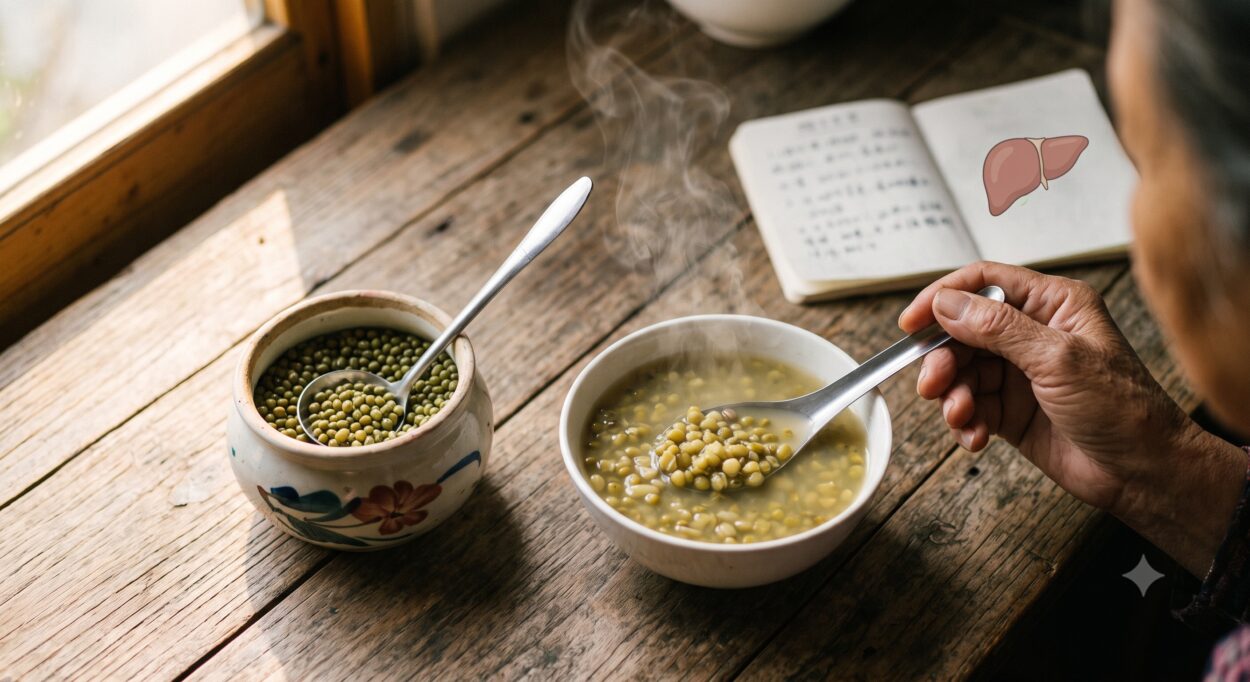
Mung beans effectively clear internal heat and detoxify the liver
Mung beans have a strong cooling nature, making them even more potent than red beans for detoxifying the body and clearing internal heat, though cold-sensitive individuals or those prone to diarrhea should avoid overconsumption. Scientific investigations confirm that mung beans actively protect liver function while helping regulate immune responses.
Preparing clear mung bean water offers targeted relief for acute inflammation. TCM teaches that mung beans cool the body rapidly; consequently, I frequently recommend this remedy to patients suffering from urethritis accompanied by painful, burning urination and frequent urges. To prepare it properly, boil the mung beans in water for under 10 minutes, remove them from the heat just before their skins split, and drink the clear liquid; symptoms typically improve within 2 days.
Boiling mung bean soup until the beans burst open significantly enhances its natural detoxifying properties. While quick steeping suffices for mild heat, fully split mung bean soup is a valuable emergency measure to drink while traveling to the hospital after accidental medication ingestion or food poisoning. Additionally, this restorative soup helps speed up recovery from excess alcohol consumption.
Patients presenting with painful carbuncles or boils are believed to harbor accumulated “heat toxins” according to TCM principles. Drinking a traditional “Three-Bean Drink” — prepared by simmering mung beans, red beans, and black beans together with raw licorice root — effectively neutralizes these toxins. Licorice root imparts a subtle natural sweetness while boosting the remedy’s overall detoxifying strength, creating a refreshing summer beverage that strengthens immunity and helps prevent heatstroke. Ingredients for this remedy include approximately 20 grams each of mung beans, red beans, and black beans, combined with 10 grams of raw licorice root. Preparation requires washing and soaking all three bean varieties overnight in the refrigerator. Next, add the licorice root to the soaked beans, simmer until completely tender, and sweeten lightly to taste.
Tips for the consumption and usage of mung beans
- If you consume mung bean water specifically to treat acute bladder inflammation or flush toxins, avoid adding sugar entirely. However, adding a small amount of sugar — preferably unrefined brown sugar for its superior nutritional profile — is perfectly appropriate when enjoying the beverage as a routine health maintenance remedy. Clinical observations show that prescribing a balanced 1:1:1 combination of mung beans, red beans, and Job’s tears simmered into a therapeutic tea helps clear severe skin breakout pustules within 2 to 3 days.
- Always remember that mung beans feature a distinctly cold nature, making them unsuitable for individuals with chronic diarrhea, loose stools, or cold spleen deficiency. Women should also avoid heavy consumption during menstruation, as cold thermal properties can cause Qi and blood stagnation that triggers severe cramping.
- Using a clay pot represents the ideal method for simmering mung bean soup. Cooks should avoid iron cookware because metal ions react with flavonoids in mung bean skins to form dark compounds that diminish antioxidant strength.
- Mixing mung bean powder, talc, and borneol in a 10:2:1 ratio creates an effective topical paste that clears facial acne in adolescents by reducing inflammation and detoxifying skin tissues.
- Filling pillows with dried mung bean husks keeps the head cool during sleep, which TCM recommends to quell restless, wandering thoughts and ease head heat, promoting deep tranquility.
To be continued
Translated by Patty Zhang and reviewed by Maria
Follow us on X, Facebook, or Pinterest
