
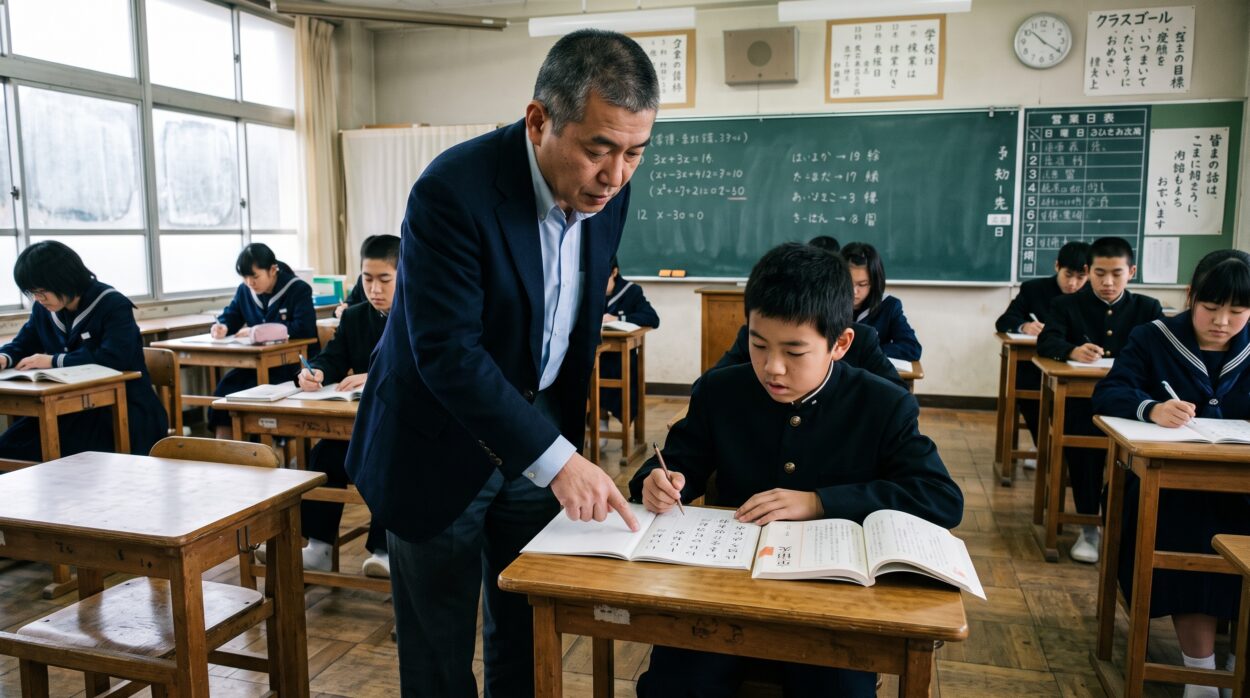
Global approaches to raising children differ drastically, reflecting deep-seated cultural priorities, economic realities, and educational philosophies worldwide. In the earliest years of development, parents in Japan serve as a child’s sole moral compass, cognitive instructor, and emotional anchor. However, once a child transitions into the formal Japanese school system, educators step into a pivotal role, shaping not only academic intelligence but also social intelligence, emotional fortitude, and character. When a child encounters a truly dedicated teacher, the resulting positive trajectory can extend far into adulthood. Interestingly, some of Japan’s most profound pedagogical methods do not stem from gentle praise alone, but from structured, rigorous, and seemingly harsh challenges that push children well beyond their perceived limits.
Educators shape the foundational resilience of young learners in unexpected ways
The true impact of an inspiring educator becomes evident when a child encounters failure. Consider a widely shared viral video from Japan that captured a young boy struggling to leap over a gymnasium vaulting box. Attempt after attempt resulted in total failure, leaving the exhausted child in tears on the gym floor, ready to surrender under the weight of frustration. In many Western or modern urban households, well-meaning adults might step in immediately to stop the activity, offer a comforting distraction, or suggest giving up to preserve the child’s self-esteem.
Instead of halting the exercise or lowering the physical bar, the Japanese teacher chose a radically different path of communal encouragement. The instructor first offered brief emotional comfort, then rallied the entire classroom to surround the crying boy, chanting together to symbolically pass their collective energy and strength to him. Energized by his peers’ unified belief, the boy wiped away his tears, took a determined running start, and cleared the vaulting box by an extraordinarily wide margin. This moment shows how strict expectations, paired with strong peer support, can redefine a child’s internal belief system.
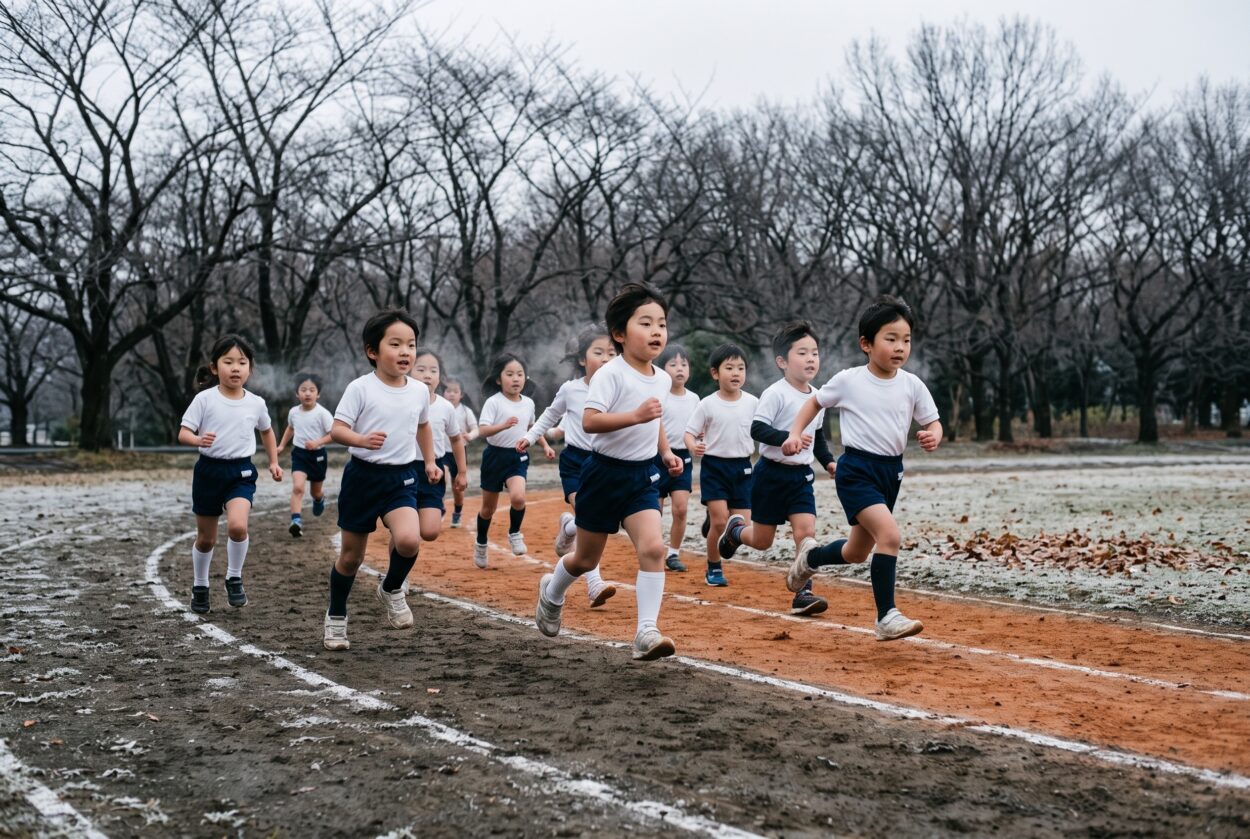
Rigor in early education serves a deeper psychological and physical purpose
This famous incident reflects a broader pedagogical tradition in Japan known for its intense physical and mental discipline. In certain traditional Japanese kindergartens, young children are regularly required to run outdoor circuits in the middle of winter in light clothing, to build physical stamina and mental grit. Outside observers often worry that such practices will compromise the children’s health. Yet, empirical evidence and school records consistently show that these students adapt quickly, developing robust immune systems and exceptional mental stamina.
Observing these Japanese educational methods offers valuable insight into the societal discipline that underpins the nation’s cultural stability. The contrast with neighboring regions has sparked intense public debate online, where some Chinese parents openly comment that their children seem to lose the race of life before even graduating from kindergarten. This self-critique stems from the reality that many children in high-pressure academic environments remain overly reliant on adults for basic life functions, relying on parents or grandparents to tie their shoes, pack their schoolbags, and clean up after them well into their teenage years.
Overprotective parenting inadvertently breeds long-term personal helplessness
When children who have been shielded from every minor discomfort reach adulthood, parents are often shocked to discover that their grown offspring lack basic life skills, struggle with initiative, and collapse under minor stress. This dynamic raises a critical question: should society blame the passive child, or should responsibility fall on the parents who fostered total reliance? A person’s development depends heavily on the boundaries set by primary caregivers, and persistent spoiling strips children of the chance to develop autonomous problem-solving skills.
While Western onlookers might initially view strict Japanese early education as harsh or unfeeling, a deeper examination reveals it to be deeply humane. Rather than obsessing over premature academic drill work, Japanese preschools prioritize social harmony, self-care routines, physical strength, and proper social etiquette. By teaching young children how to navigate difficulty, manage their own belongings, and respect their community, educators build a grounded human foundation that supports lifelong personal well-being.
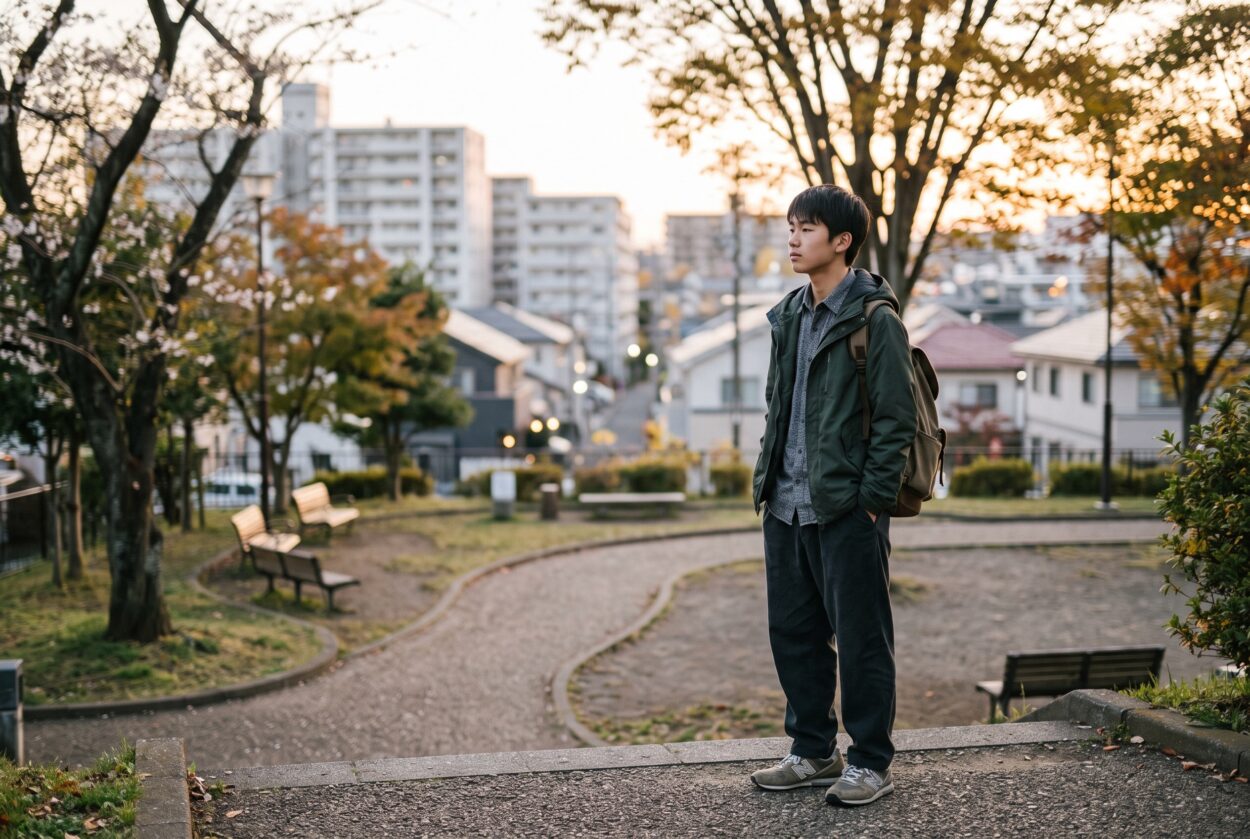
Parents must step back and allow children to encounter natural obstacles
To cultivate genuine independence at home, parents must consciously allow children to face age-appropriate difficulties without immediate adult intervention. Everyone inevitably encounters hardship, and trying to smooth every bump in a child’s path creates an artificially fragile reality. When a child encounters an obstacle, caregivers should serve as supportive coaches rather than immediate solvers. Encouraging young people to brainstorm solutions, execute a plan, and experience the satisfaction of overcoming failure firsthand builds lasting self-confidence and emotional resilience.
In addition to allowing emotional struggle, parents must insist that children take full ownership of their daily personal tasks. Out of misplaced affection or a desire for efficiency, caregivers often act like personal servants, managing everything from meal preparation to room organization. However, when children are deprived of practical chores, they absorb the dangerous assumption that the world owes them service. When these individuals eventually leave home, they struggle to manage fundamental life tasks, creating immense friction in their personal and professional lives.
Respecting personal boundaries gives young people room to construct identity
Fostering self-reliance requires giving young people appropriate personal space to explore, make choices, and accept natural consequences. Children are autonomous individuals with unique destinies, not dynamic extensions of their parents’ personal ambitions or anxieties. While parental affection is vital for healthy brain development, overbearing supervision stifles personal growth. Granting children reasonable autonomy — whether in choosing their hobbies, managing their leisure time, or resolving minor peer conflicts — gives them the essential room to develop a distinct identity.
Ultimately, educational models from across the globe prove that stepping back at the right moments is an act of profound care. True love does not mean shielding a child from every cold wind or difficult challenge; it means equipping them with the physical endurance, emotional toughness, and practical skill set to navigate the world on their own terms. By balancing loving guidance with intentional detachment, parents and teachers give children the ultimate gift: a clear path to becoming independent, capable, and self-assured adults.
Translated by Cecilia and reviewed by Maria
Follow us on X, Facebook, or Pinterest
