
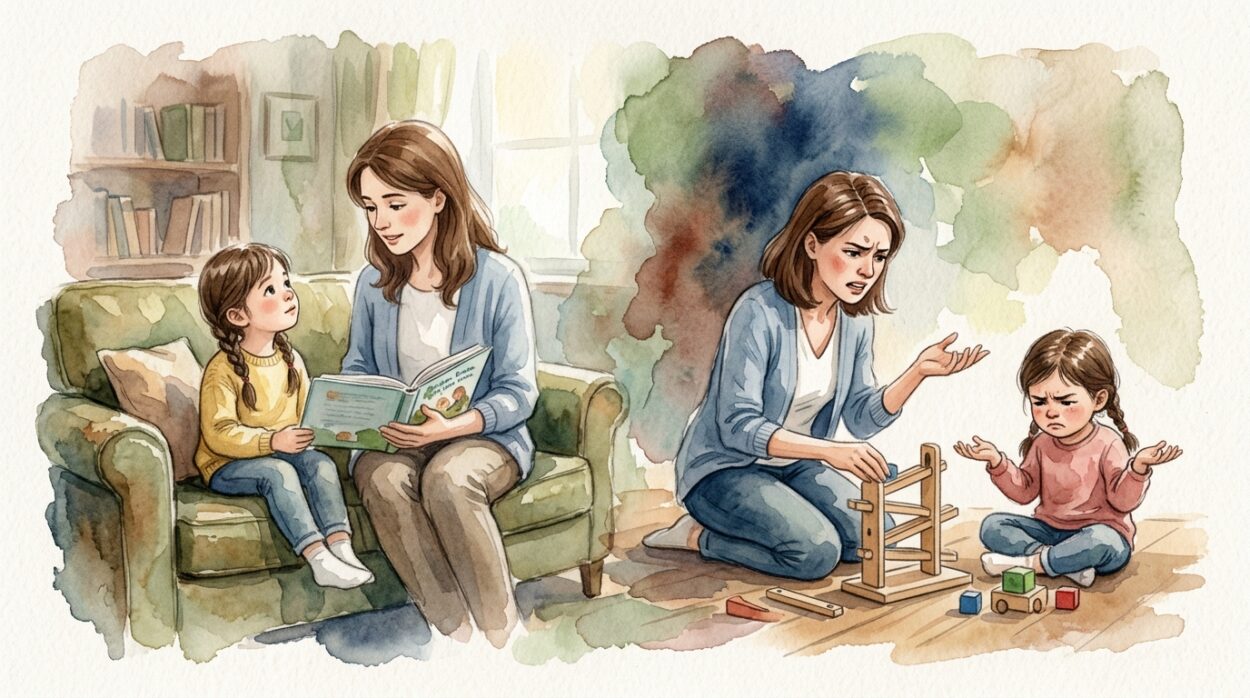
Many parents spend their lives working hard to earn money, buy a home, build savings, and set aside funds for their children’s education, hoping to give them a better future. These things certainly have value. But the most precious legacy parents can leave their children is not wealth, property, or financial security. It is virtue, character, and the values they demonstrate through the way they live. Money and things may make a child’s journey easier, but they cannot teach a child how to live. A good example can. Children may not remember every lesson their parents try to teach them, but they often remember — and eventually imitate — how their parents treat others, handle difficulties, keep their promises, and conduct themselves when no one is watching. In this sense, a parent’s life becomes a path their children can follow long after they are grown.
6 ways a parent’s example leaves a lasting mark on a child’s life
1. Parents teach their children best through the example of their own actions
Children may not always do what you say, but they inevitably learn from what you do. Parents teach through their words, actions, attitudes, and the way they respond to the people and situations around them. Parents may tell their children to be kind, honest, patient, and respectful, yet if they constantly complain, lose their temper, criticize others, or speak harshly, those lessons can lose their meaning. Children notice these contradictions, even when parents think they do not. This does not mean parents have to be perfect before they can teach their children how to behave. No one is perfect, and everyone makes mistakes. Parents will sometimes lose their patience, say the wrong thing, or fall short of the standards they want their children to uphold. What matters is what they do afterward.
A parent who acknowledges a mistake, takes responsibility, apologizes, and tries to do better teaches an important lesson: mistakes do not have to define us. We can learn, make amends, and try again. When parents treat others with kindness, stay calm in difficult situations, keep their word, and act with integrity, children learn these qualities are not merely things to talk about — they are ways of living. In fact, striving to improve ourselves while encouraging our children to do the same makes the lesson more genuine.
So instead of simply demanding more from your children, demand more from yourself. Set high standards for them, but be willing to hold yourself to high standards as well. When you fall short, let them see you acknowledge your mistake as appropriate, make it right, and try again. After all, parents are their children’s first teachers, and the lessons taught through example remain with them for a lifetime.
2. A peaceful home environment gives children a stable foundation to grow
The best “feng shui” in a home is not a mansion or having all the right things in place, but harmony. A beautiful house filled with tension, arguments, and resentment cannot give a child the sense of security that comes from a peaceful, loving home. Children are deeply affected by the emotional atmosphere around them, even when adults believe they are unaware of what is happening.
A family filled with constant quarrels can leave children feeling anxious and insecure. By contrast, a family in which people treat one another with understanding, patience, and tolerance gives children a stable foundation on which they can grow. When children know that home is a place where they are loved, respected, and cared for, they are more likely to develop confidence and inner strength. This does not mean a harmonious family never disagrees. Every family has differences. What matters is how they handle those differences. Between husband and wife, there can be less arguing and more consideration; among family members, less blame and more care.
When conflicts arise, speaking with restraint, listening to one another, and seeking understanding rather than simply trying to prove who is right can keep disagreements from becoming lasting wounds. Children who grow up surrounded by love carry that sense of security into the world. Home is where they first learn what love, respect, patience, and trust look like. When love and harmony fill a home, children gain confidence in life.
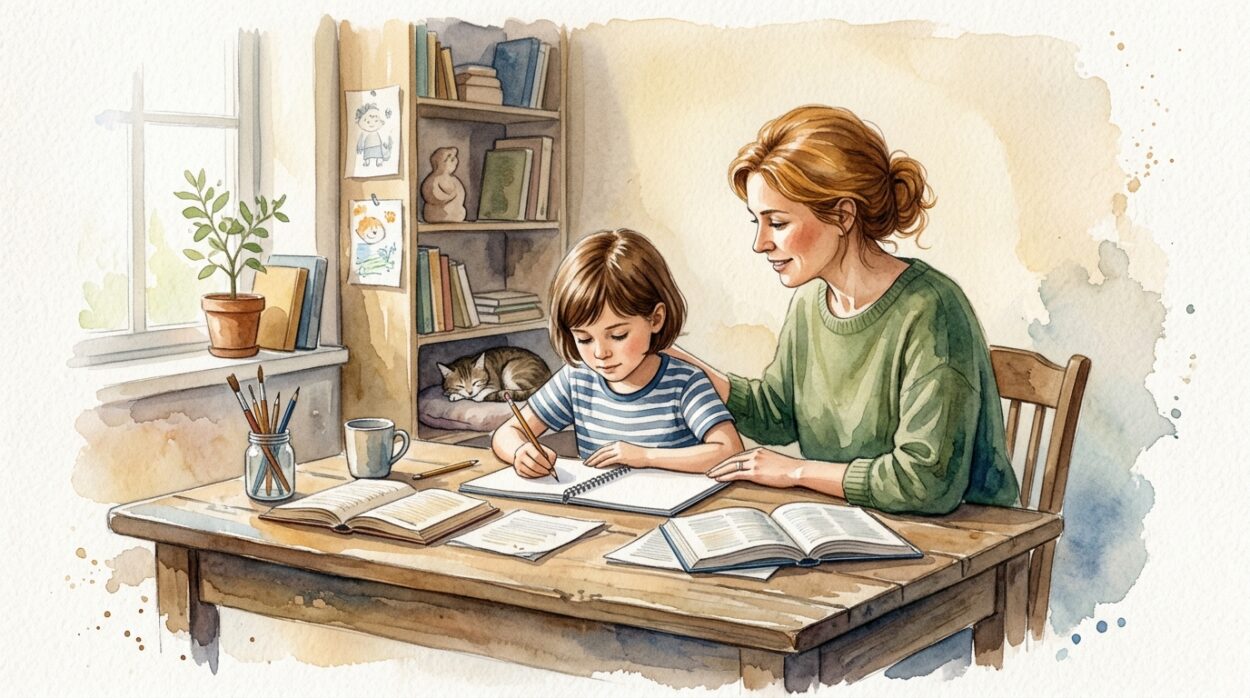
3. Strong character shapes a child far more than academic success alone
Every parent wants their child to do well in school. A good education and good grades can open doors, create opportunities, and reflect a child’s hard work and dedication. There is nothing wrong with encouraging children to study hard and make the most of their abilities. But parents should be careful not to let grades become the sole measure of success.
Academic achievement reflects what a child has learned at a particular stage of life. Character, however, shapes the person that child becomes and influences the course of an entire lifetime. A child can receive an excellent education and still lack the qualities needed to use that education wisely. George Washington understood this distinction. In a 1790 letter to his nephew, he wrote that “a good moral character is the first essential in a man,” and urged him to become “not only learned but virtuous.”
Education should not only develop a child’s mind; it should also cultivate the character that guides how that knowledge is used. Honesty, kindness, trustworthiness, gratitude, and responsibility are qualities that serve a person long after school is finished. They influence how we treat others, handle success and failure, and make choices when no one is watching.
This does not mean parents should care less about academic achievement. Rather, they should keep it in perspective. A less-than-perfect grade can teach a child to work harder, persevere, and learn from mistakes, while a high grade means little if it is achieved through dishonesty or at the expense of others. Grades may influence a child’s opportunities, but character influences how those opportunities are used — and ultimately, the kind of person a child becomes and the life they lead.
4. Resilience is learned when parents face life’s challenges with composure
Life inevitably brings setbacks, disappointments, and difficulties. No one can or should shield children from every hardship, but parents can show them how to face it. The way parents respond when life does not go as planned often becomes a model for how their children learn to respond to life. If parents constantly complain, blame others, or lose control whenever problems arise, children can easily absorb that way of thinking. They may begin to see difficulties as something to fear rather than something to work through.
This does not mean parents should pretend everything is fine. It is natural to feel frustrated, disappointed, or overwhelmed at times. What matters is whether those feelings control us or whether we can acknowledge them and still move forward. Parents who don’t avoid responsibility or try to escape reality, but instead stay calm and focus on solutions, teach children that while we cannot always choose what happens to us, we can choose how we respond. Instead of dwelling on what went wrong, we can ask what we can do next.
That attitude helps children develop resilience. They learn that setbacks are not the end of the road, mistakes can be corrected, and difficult circumstances can be faced one step at a time. A parent’s mindset becomes part of the emotional atmosphere in which a child grows. The way you respond to life today can quietly influence the way your child learns to face life tomorrow. Your mindset may very well become the underlying tone of your child’s future.
5. Daily acts of compassion create a family legacy of lasting kindness
Accumulating virtue does not necessarily require doing great or extraordinary things. Often, it is found in the small things we do each day — a warm word, a kind smile, a helping hand, or a sincere act of consideration for another person. These simple acts may seem insignificant, but kindness leaves a lasting impression on children. What we repeatedly do becomes part of who we are, and what children repeatedly see becomes part of what they learn.
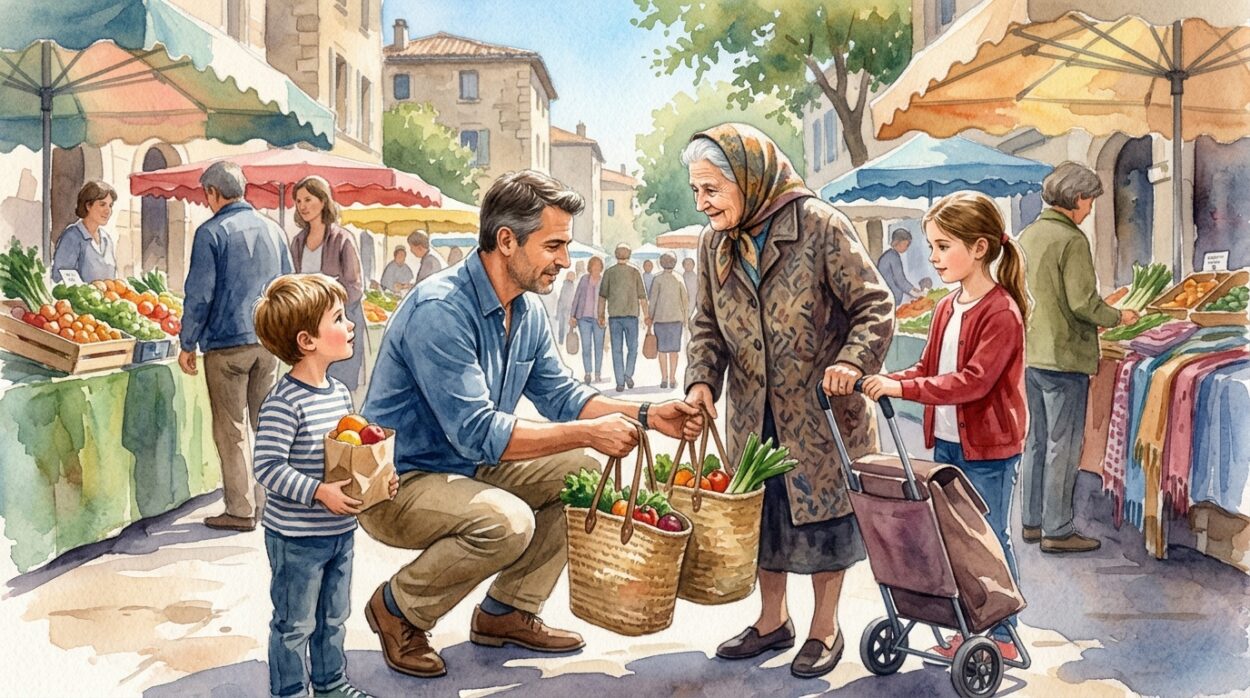
When parents treat others with kindness, generosity, and respect, children naturally learn to look beyond themselves and treat others in the same way. They learn that kindness is not something we offer only when it is convenient, but a way of conducting ourselves wherever we go. This is how goodness becomes a family tradition. It is passed from one generation to the next, not through inheritance or instruction alone, but through example.
A family may pass down a house, money, or possessions, but these things can eventually disappear. Kindness leaves a different kind of inheritance. It lives on in the people we touch and in the values our children carry forward. Kindness is one of the most precious legacies a family can leave behind.
6. Grateful parents teach children to find genuine contentment in life
True wealth does not come from owning the most, but from knowing how to cherish what we have. In a world that constantly encourages comparison, it is easy for parents and children alike to focus on what they lack rather than appreciate what they already have. A life spent comparing ourselves with others can leave us perpetually dissatisfied, no matter how much we acquire.
Parents who stop constantly comparing, complain less, and appreciate the blessings in their own lives teach their children an invaluable lesson: happiness does not necessarily come from having more, but from being grateful for what we already have. This includes accepting that neither our children nor our lives will ever be perfect. Every person has shortcomings, and every family has difficulties. Accepting these imperfections does not mean giving up on improvement. It means appreciating what is good while continuing to work on what can be better.
Children who grow up in an atmosphere of gratitude learn to appreciate people rather than compare themselves with them, and to value what they have rather than constantly longing for what someone else possesses. A family that understands contentment can raise children who are rich not only in what they possess but in what they carry within — the ability to appreciate, be grateful, and find happiness in the life they have. In the end, true wealth is not measured by how much we accumulate, but by how much we appreciate and cherish what we have.
In summary
There are no shortcuts to building the kind of family legacy that lasts. Parents cannot simply hand virtue to their children. They cultivate it in themselves and help pass it on through the way they live. It means managing our words and actions, nurturing harmony in the family, cultivating good character, facing difficulties with resilience, keeping kindness in our hearts, and living with contentment and gratitude. These are lessons that cannot be taught through words alone. They must be seen and lived.
Because what children truly inherit is not only their parents’ surname, but their parents’ character. Money will one day be spent. Property may change hands. Status may fade. But the values parents instill in their children can continue through generations, shaping not only their children’s lives but the families that come after them.
This is perhaps the greatest responsibility — and the greatest opportunity — of being a parent. We may not be able to determine every circumstance our children will face, but we can give them something they can carry into any circumstance: a strong character, a kind heart, and the wisdom to choose their path well. So perhaps the best place to begin is with ourselves — with more kindness, more generosity, more patience, more gratitude, and a greater willingness to live by the values we hope our children will embrace. A virtuous family creates a lasting legacy, and a loving home gives that legacy somewhere to take root. The greatest blessing a parent can leave behind is not what a child inherits, but who that child becomes.
Translated by Cecilia and reviewed by Tatiana Denning
Follow us on X, Facebook, or Pinterest
