
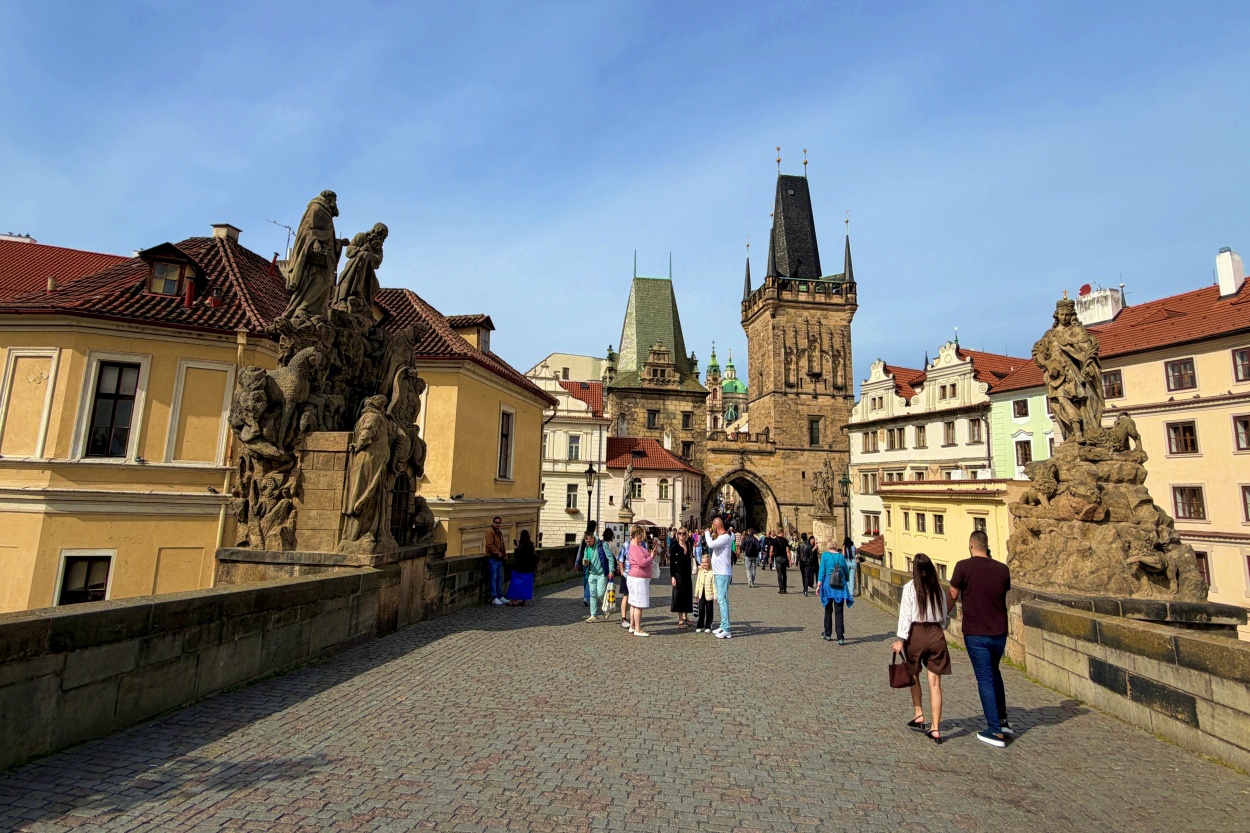
Prague is a city rich in history and architectural treasures. UNESCO inscribed its Historic Center on the World Heritage List in 1992. Charles Bridge is one of Prague’s most iconic landmarks, connecting the Old Town and the Lesser Town across the Vltava River.
It takes about 15 minutes to walk from Prague Castle to Charles Bridge. Along the way, visitors pass through atmospheric cobblestone streets and can admire St. Nicholas Church with its distinctive green dome. The historic lanes and medieval architecture create the feeling of walking through a living history book.
Construction of Charles Bridge began in 1357 under King Charles IV of Bohemia and was completed in the early 15th century. The bridge is about 516 meters long and rests on 16 arches, making it one of Prague’s most recognizable landmarks.
A historic royal route
Charles Bridge played an important role in Prague’s history. Until 1841, it was the city’s only bridge across the Vltava and formed part of the historic Royal Route used by Bohemian kings on their way to coronation ceremonies at Prague Castle.
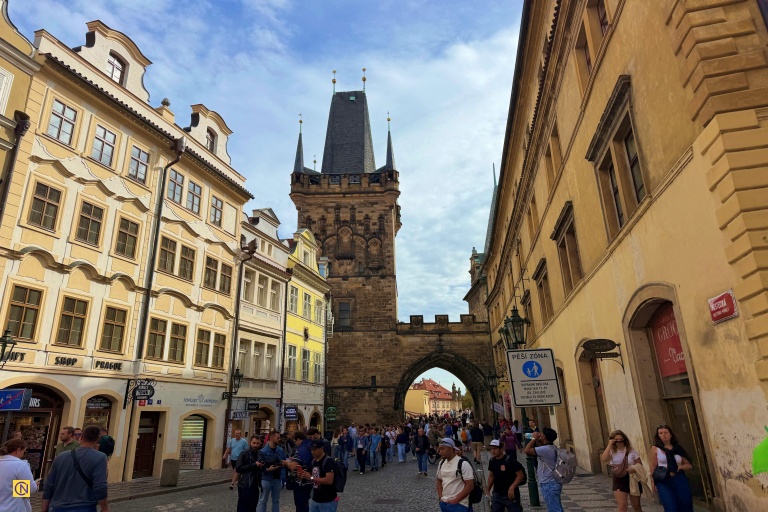
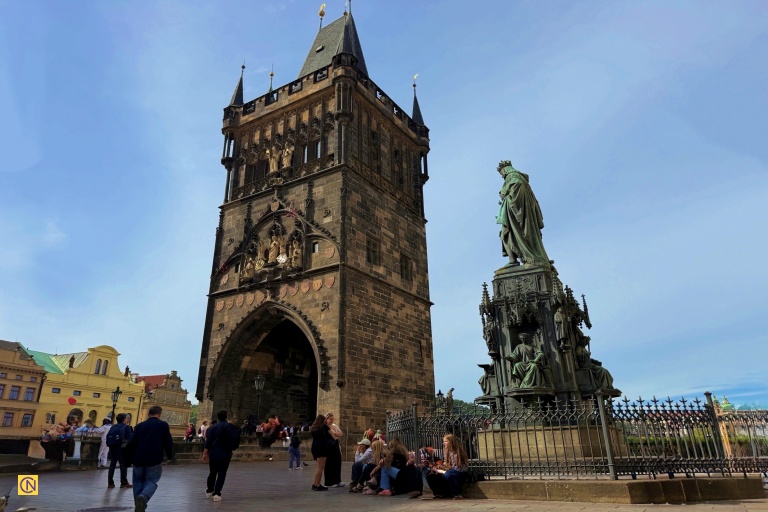
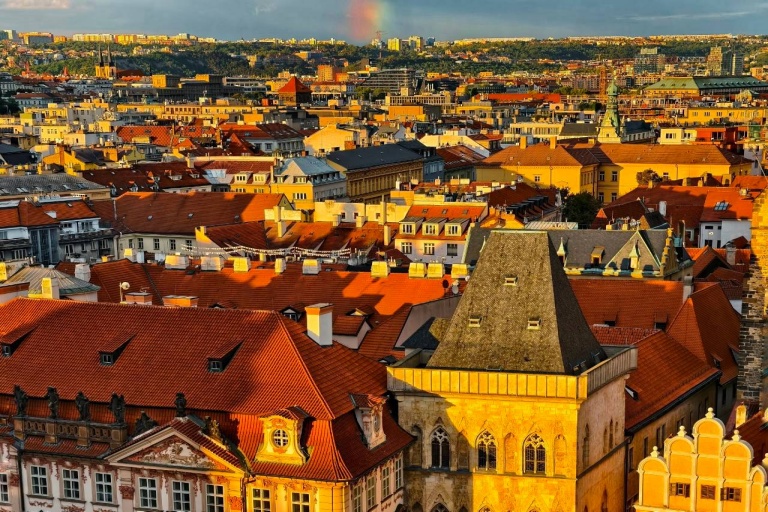
Three bridge towers stand at the two ends of Charles Bridge. On the western, Lesser Town side, two Gothic towers form an impressive gateway, with the taller and younger tower standing beside a shorter one. At the eastern end, the famous Old Town Bridge Tower marks the bridge’s entrance. Each is a historic landmark in its own right.
Visitors can purchase a ticket and climb 138 steps to the viewing gallery. From the top, visitors can enjoy sweeping views of Charles Bridge, the Vltava River, and Prague Castle. On the Lesser Town side, only the taller of the two towers is open for visitors to climb, offering another perspective of the bridge and the historic city center.
An open-air Baroque sculpture gallery
One of the most striking features of Charles Bridge is its collection of 30 statues and sculptural groups of saints. Most date from the 17th and 18th centuries and were created in the Baroque style by renowned artists of the period. Walking across the bridge feels like strolling through an open-air Baroque sculpture gallery.
To protect these precious historic works, many originals have been moved to safer locations, while replicas now stand on the bridge. Each sculpture has its own story, adding a rich cultural dimension to the experience.
St. John and the legend of good luck
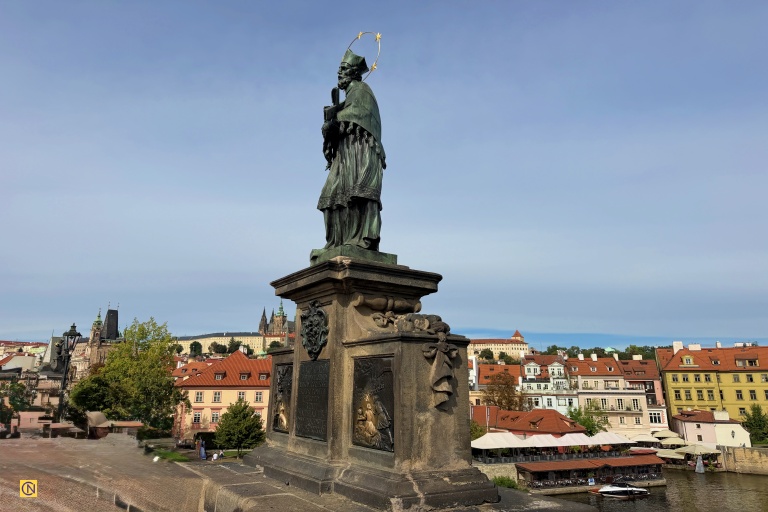
Among the sculptures, one of the most famous is the statue of St. John of Nepomuk. According to legend, the 14th-century priest was thrown into the Vltava River after refusing to reveal the queen’s confession.
Today, countless visitors have polished the bronze reliefs at the base of the statue by touching them. Local tradition holds that touching the relief can bring good luck, and some believe it means they will one day return to Prague. The ritual has become one of the most distinctive traditions on Charles Bridge.
Art, street life, and Prague views
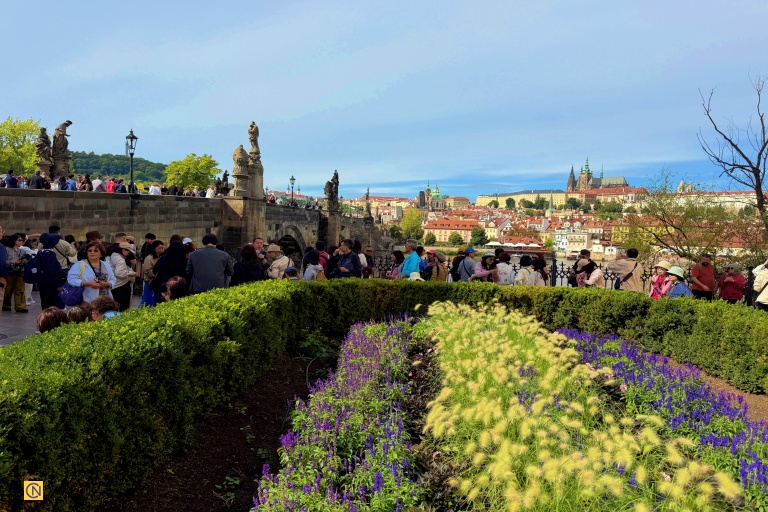
Charles Bridge is also a lively stage for street artists. Visitors can often see musicians performing, artists painting, and vendors displaying watercolors, portraits, handicrafts, and other works of art. These activities add a vibrant contemporary atmosphere to the historic bridge.
The bridge also offers wonderful views of Prague, with historic buildings on both sides, the flowing Vltava River, and Prague Castle rising in the distance. Changing light and weather can give the cityscape a different character throughout the day.
The Vltava River and Smetana’s music
The Vltava, also known as the Moldau, is one of the Czech Republic’s most famous rivers. Flowing through Prague, it has also become deeply connected with Czech culture and music.
The 19th-century Czech composer Bedřich Smetana drew inspiration from the river for his celebrated symphonic poem “Vltava” (The Moldau). It is the second movement of his six-part symphonic cycle Má vlast (My Fatherland) and one of the work’s best-known pieces.
The music portrays the flow of the Vltava, beginning with small streams that gradually merge into a broad river. It follows the river through forests, fields, and villages before reaching Prague. Standing on Charles Bridge and watching the Vltava flow beneath it, visitors may feel Smetana’s familiar melody come to life through the scenery itself.
Seeing Charles Bridge from the Vltava
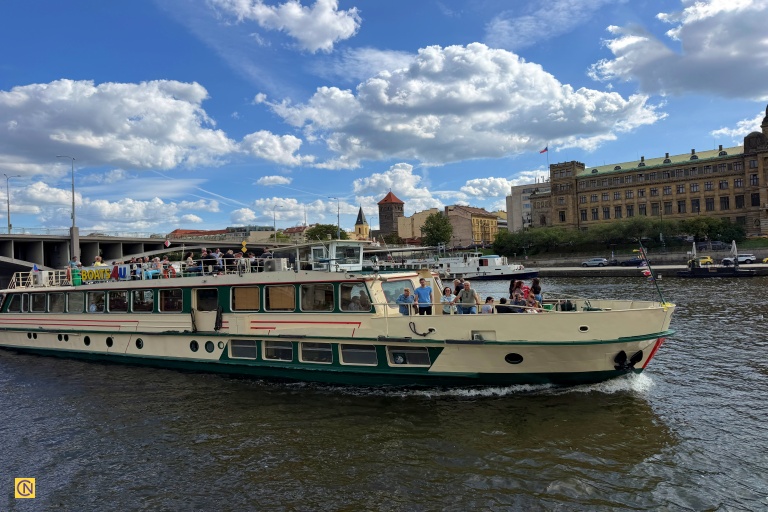
Visitors can also experience Charles Bridge from another perspective by taking a sightseeing cruise along the Vltava River. As the boat glides beneath the bridge, passengers can admire its towers and sculptures, the architecture along both riverbanks, and Prague Castle in the distance.
Looking back at Charles Bridge from the water offers a different appreciation of how naturally the bridge blends into Prague’s historic cityscape. Together, the bridge, river, and castle create a memorable city panorama.
Charles Bridge is more than a crossing over the Vltava. It is an open-air gallery where history, architecture, sculpture, music, and everyday city life come together. Whether you walk across the bridge, enjoy its street art, or view it from a sightseeing boat, experiencing Charles Bridge is an unforgettable part of discovering Prague.
Follow us on X, Facebook, or Pinterest
