
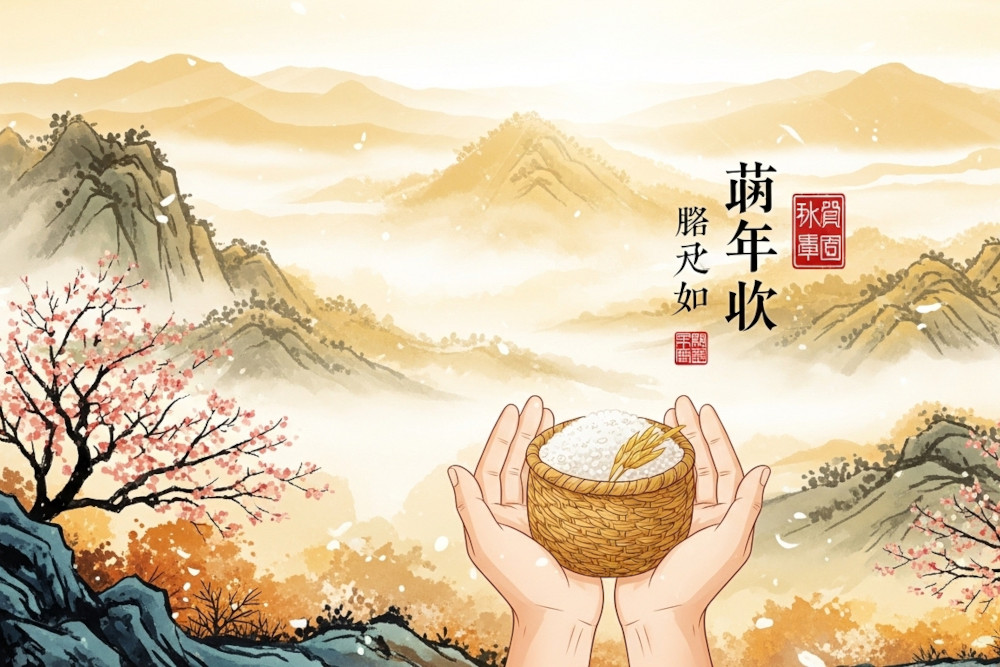
There’s a subtle psychology behind generosity. Acts of kindness can lift others and bring joy to the giver, but when help becomes constant, it can blur the line between compassion and expectation. As an old Chinese saying warns, sometimes the more we give, the less our kindness is appreciated.
Modern psychology echoes this wisdom. Researchers have found that when people receive repeated help, they can begin to see that support as something owed rather than something offered. What starts as gratitude can gradually shift into dependence — and dependence often breeds resentment when the help stops.
When generosity becomes an obligation
Long ago, two neighboring families lived in harmony. One was well-off, while the other struggled to make ends meet.
One year, disaster struck, and the poor family lost everything. With no harvest or savings, they faced starvation. Their wealthy neighbor, moved by sympathy, gave them a sheng of rice — about 1.5 pounds — just enough to ease their hunger.
The poor family was deeply grateful, seeing their neighbor as a lifesaver. When the crisis passed, they went to express their thanks. During their visit, they mentioned that they lacked seeds for the next planting season. Wanting to help again, the wealthy man gave them a dou of rice — about 2.5 gallons — for seed.
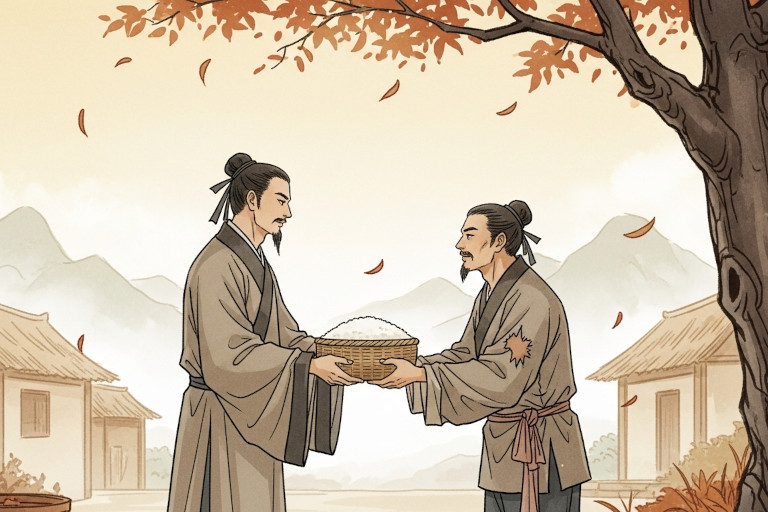
But when the poor man returned home, his brother grumbled. “What good is this little bit? If he’s so rich, why didn’t he give more? How stingy!”
When the wealthy man heard these words, he was furious. “I gave freely out of goodwill,” he thought, “and now they treat me like an enemy.” The neighbors who once shared friendship became bitter rivals.
The story gave rise to the saying “A sheng of rice earns gratitude, a dou of rice earns hatred.” It reveals an uncomfortable truth about human nature: once kindness becomes expected, it loses its warmth and turns into a burden.
The warning of Zhao Ji
A similar insight appears in A New Account of the Tales of the World, a classic collection of anecdotes compiled during the Liu Song Dynasty (A.D. 420-479). In the section on virtuous women, a story tells of Zhao Ji, a woman from the Kingdom of Wu during the Three Kingdoms period A.D. (220-280).
Before her daughter’s marriage, Zhao Ji offered surprising advice: “When you go to your husband’s family, don’t do good deeds.” Her daughter, puzzled, asked: “If I can’t do good deeds, can I do bad ones?” Zhao Ji replied: “You can’t do good deeds, let alone bad ones!”
Centuries later, scholar Yu Jiaxi (1884-1955) explained that Zhao Ji wasn’t rejecting kindness but warning against unrestrained giving. Helping others is virtuous, but when generosity becomes excessive, it creates pressure and expectation — and the original goodness is lost.
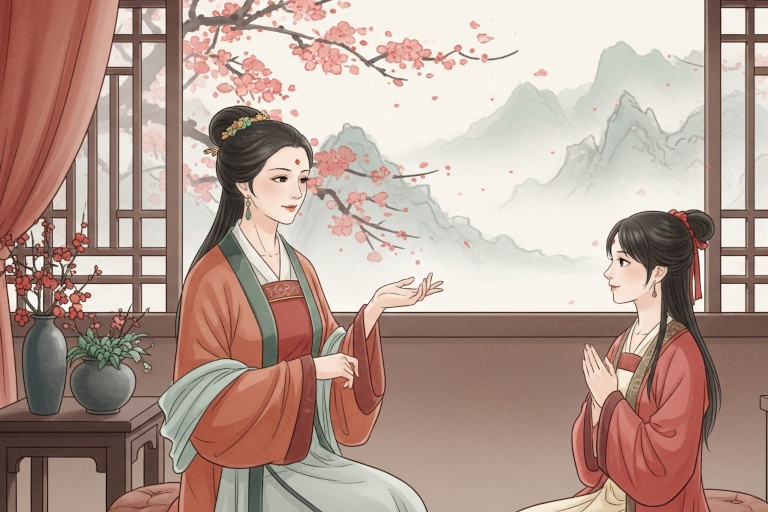
Zhao Ji’s words still resonate today. In friendships, workplaces, and families, people who give endlessly often find that others come to expect their help rather than appreciate it. The emotional cost can be high: fatigue, disappointment, or even guilt when the giver finally says no. Boundaries are not a lack of kindness — they are what keep kindness sustainable.
Finding balance in giving
Both stories remind us that generosity is not only a moral act but also a psychological one. The urge to help others must be guided by balance and awareness. True kindness uplifts without trapping either side in obligation.
Gratitude, too, is a quiet form of wisdom. When we stay mindful of others’ help without demanding more, relationships stay light and sincere. In the end, happiness grows not from endless giving or taking, but from understanding when enough is enough — and letting appreciation, not expectation, shape the heart.
Translated by Patty Zhang
Follow us on X, Facebook, or Pinterest
