

Many people notice subtle but frustrating physical changes as they move into their sixties. Fingers may feel stiff in the morning, hands less steady when chopping vegetables, or knees sore after a short walk. Squatting down and standing back up can take more effort than it once did.
A common explanation is simply: “This is normal aging.” While age does play a role, researchers have found that one contributing factor is the gradual decline of collagen and other supportive compounds that help maintain joints, connective tissue, and nerve protection. By the mid-sixties, the body’s collagen reserves may be significantly lower than they were decades earlier.
The encouraging news is that daily food choices can help support the body’s natural maintenance and repair processes. Rather than relying on supplements or complex regimens, many people find that adding certain vegetables to their regular meals makes a noticeable difference over time.
8 vegetables traditionally valued for supporting joint comfort, circulation, and mobility.
1. Cilantro: A surprisingly supportive leafy herb
Cilantro contains vitamin C, vitamin K, and plant compounds associated with antioxidant activity, all of which play supporting roles in collagen formation and tissue health.
Some older adults who regularly added small amounts of fresh cilantro to meals reported reduced hand stiffness and improved ease of movement over several months.
How to use it: Add fresh cilantro to soups, noodles, salads, or eggs. Even modest amounts used consistently can contribute to overall dietary variety.

2. Asparagus: Supporting joint resilience
Asparagus is a natural source of glutathione, an antioxidant involved in protecting cells from oxidative stress, including those around joints and ligaments.
People who include asparagus in meals several times a week often describe feeling more stable and comfortable during movement.
How to use it: Steam or lightly roast to preserve texture and nutrients. A drizzle of olive oil or garlic pairs well.
3. Seaweed: A traditional dietary staple for balance
Edible seaweeds such as kelp, nori, and wakame contain iodine and unique plant fibers that have long been valued in traditional diets.
Some individuals report warmer extremities and fewer muscle cramps after regularly consuming seaweed-based soups or salads.
How to use it: Enjoy in soups or salads two to three times per week. Moderation is key.
4. Beetroot: Encouraging healthy circulation
Beetroot contains naturally occurring nitrates that help support blood flow, which is important for delivering nutrients to muscles, joints, and nerves.
Those who regularly consume beetroot sometimes notice improved walking endurance and less leg fatigue.
How to use it: Steam, roast, or juice beetroot without added sugar.
5. Broccoli: Supporting joint tissue health
Broccoli contains sulforaphane, a compound studied for its role in cellular protection and inflammation balance.
Some people with hand stiffness report improved flexibility after consistently eating lightly cooked broccoli.
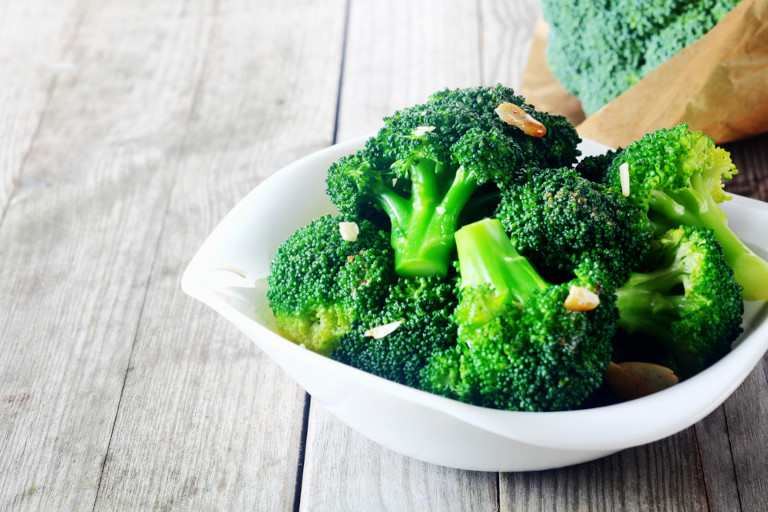
How to use it: Steam for 3 to 5 minutes, or stir-fry briefly, to preserve nutrients.
6. Okra: Natural support for joint comfort
Okra’s characteristic texture comes from plant fibers that form a gentle coating, which many cultures associate with joint comfort.
Regular consumption is often linked anecdotally to easier squatting and bending.
How to use it: Blanch briefly or stir-fry quickly to keep its natural texture intact.
7. Spinach: Supporting muscles and nerves
Spinach provides magnesium, vitamin K, and plant nitrates, nutrients involved in muscle relaxation and nerve signaling.
People who add spinach to soups or breakfasts sometimes describe lighter, less fatigued legs.
How to use it: Add to soups, salads, or lightly sauté for easier digestion.
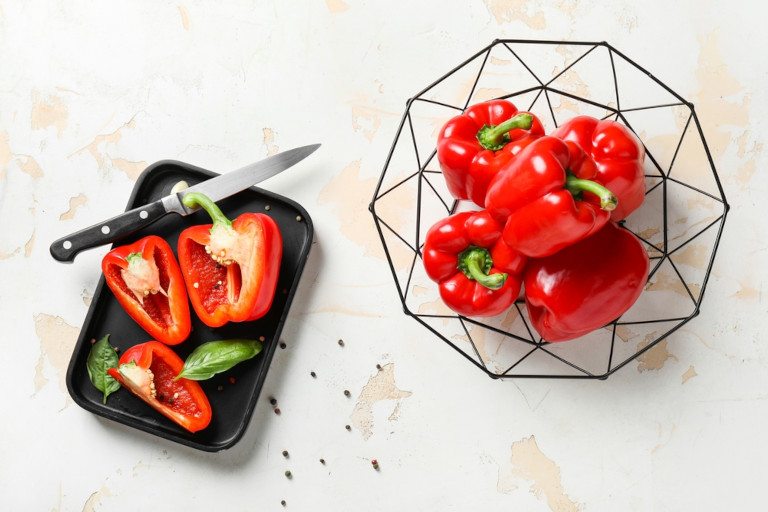
8. Red bell pepper: A reliable source of vitamin C
Red bell peppers are one of the most stable food sources of vitamin C, which supports normal collagen formation.
Regular intake is commonly associated with improved joint comfort, especially during colder months.
How to use it: Eat raw when possible, or add briefly at the end of cooking.
A simple four-week approach
For those looking to start gradually:
Week 1: Add cilantro or red bell pepper
Week 2: Include spinach or broccoli
Week 3: Rotate okra, asparagus, or beetroot
Week 4: Add seaweed two to three times per week
After a month, many people report reduced morning stiffness, steadier walking, improved hand comfort, and less daily fatigue.
Traditional wisdom often notes that food and medicine share the same roots. While no single ingredient is a cure-all, consistent, mindful dietary choices can quietly support the body’s ability to stay mobile, resilient, and comfortable with age.
Translated by Patty Zhang
Follow us on X, Facebook, or Pinterest
