

When people think about wellness, they often picture expensive supplements, massage chairs, or complicated routines. Traditional Chinese health culture offers a simpler idea: Some of the most useful habits cost nothing at all. Many can be done in a few spare minutes while brushing your teeth, waiting for the bus, or winding down before bed.
Below are some traditional wellness practices that focus on circulation, rest, digestion, emotional balance, and steady daily habits. Whether or not you follow every idea exactly, they reflect a broader principle that has shaped Chinese health traditions for centuries: small things done consistently can make a real difference over time.
Small habits for energy, digestion, and emotional balance
In traditional Chinese medicine, the kidneys are associated with vitality and stamina. One simple practice is to rise onto your tiptoes while brushing your teeth, then let your heels touch down lightly. Another is rubbing your ears with warm hands, especially the earlobes, until they feel hot. A third is a gentle pelvic-floor contraction: tighten for three seconds, relax, and repeat about 10 times. These are the sort of tiny movements that can be worked into daily life without any special preparation.
The stomach, meanwhile, is often seen as closely tied to both digestion and mood. A common bedtime practice is to massage the abdomen in a clockwise motion around the navel about 30 times, using a light, gentle touch. Another traditional method is pressing the Zusanli point, located about three finger-widths below the knee, for a couple of minutes each day. Just as important are basic habits: skip icy drinks, avoid overeating at dinner, and try not to eat within three hours of going to bed.
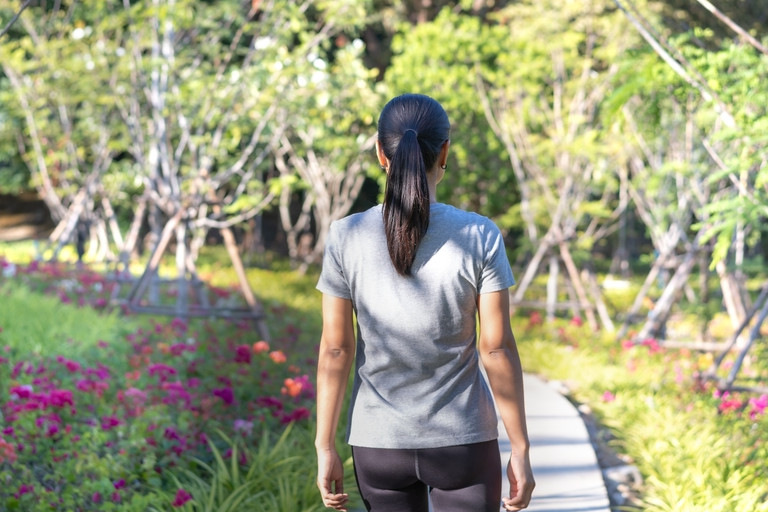
Liver care in Chinese wellness traditions is often described as helping qi flow smoothly, especially when stress, frustration, or bottled-up emotions begin to build. One method is to press the Taichong point between the big toe and the second toe. Another is gently tapping along the sides of the ribs with cupped hands, moving from the underarm area toward the waist. Spending time outdoors in the morning can also help. A half-hour walk before 10 a.m., especially in a place with trees and grass, is traditionally seen as a way to lift the mood and ease emotional tension.
Simple ways to care for the face, hair, and body fluids
Traditional wellness advice often treats appearance as a reflection of inner balance rather than something created only by cosmetics. Rubbing the face with warm hands in an upward motion from the chin toward the cheeks is thought to encourage circulation. Smiling more intentionally, even for a few minutes in front of a mirror, is viewed as a way to soften facial tension and brighten expression. Even something as simple as a hug before bed is believed to calm the body and improve emotional well-being.
Hair care is also linked to overall health in Chinese tradition. Going to bed before 11 p.m. is often emphasized, since those late-night hours are associated with the liver and gallbladder in traditional theory. A wooden comb is another favorite tool. Combing the hair from the forehead toward the back of the head about 100 times each morning can gently stimulate the scalp and leave it feeling warm.
For dryness, traditional advice focuses not only on drinking water but also on nourishing the body’s fluids. One old remedy is the rich surface layer that forms on freshly cooked rice porridge, sometimes taken in the morning on an empty stomach. Another is the simple practice of circulating the tongue around the teeth to stimulate saliva, then swallowing slowly. In Chinese medicine, saliva is sometimes considered valuable rather than insignificant, especially when the body feels dry or depleted.
Rest, breath, and sunlight
For sleep, the emphasis is often on helping the mind and body settle before bed. Sitting quietly for five minutes and focusing only on the breath can help clear mental clutter. Another traditional relaxation posture is to lie flat with the soles of the feet together and the knees falling open, then rest that way for about 15 minutes. A brief midday nap can help as well, provided it stays short. Around 20 minutes is often enough.

Breathing is also central to traditional health practices. Abdominal breathing is especially common: inhale through the nose for four seconds so the belly expands, then exhale through the mouth for six seconds as the belly softens. Practiced for 5 minutes, 3 times a day, this kind of slow breathing may help the body feel calmer and more grounded.
Morning sunlight has long been recommended in traditional Chinese wellness for people who feel chronically cold, tired, or low in energy. A short period of sun on the back between 9 and 10 a.m. is often suggested, followed by a cup of warm water. The goal is not intense exposure, but a gentle daily rhythm that supports warmth and circulation.
Movement and the value of flow
Traditional Chinese exercise places great importance on keeping the body open and moving smoothly. Baduanjin, a classic set of qigong exercises, is often recommended for this purpose. Even practicing just two movements regularly can be a gentle way to support digestion and overall balance. Standing meditation is another favorite method: Stand with your feet shoulder-width apart, hold your hands in front of your lower abdomen, and remain still for a few minutes. Though quiet and simple, it is believed to help circulation and restore calm.
At the heart of all of these practices is one idea: flow. When circulation feels smooth, the body is more comfortable. When digestion works well, food is enjoyable. When emotions are not bottled up, the mind is steadier. Traditional Chinese wellness often returns to this same principle: Health does not have to come from expensive products or dramatic interventions. Sometimes it begins with a handful of small, consistent habits woven gently into everyday life.
Translated by Cecilia
Follow us on X, Facebook, or Pinterest
