
Minor discomforts are part of daily life. A headache, menstrual cramps, a stuffy nose, a poor appetite, or constipation may not seem serious at first, but if ignored, they can affect your comfort, energy, and overall well-being.
Traditional Chinese Medicine, or TCM, has long emphasized caring for the body before small problems become larger ones. In many families, this wisdom is passed down not through textbooks, but through simple foods, warm soups, and everyday reminders from mothers and grandmothers.
These home remedies are not meant to replace medical care, especially when symptoms are severe, persistent, or unusual. But for mild discomforts, traditional food therapy can offer gentle support and help the body recover more smoothly.
Helping the body sweat after catching a chill
In TCM, a common early-stage cold is often attributed to exposure to wind and cold. You may feel chilled, your nose may be blocked, your head may feel heavy, and your body may seem unable to warm up.
At this point, a mother might head to the kitchen and prepare a steaming bowl of scallion and ginger soup. After drinking it, you are told to get under the covers and rest until a light sweat comes out. By the next day, the stuffy nose may ease, the head may feel clearer, and the chill may begin to fade.
From a TCM perspective, scallion and ginger are warming ingredients traditionally used to help the body release cold through gentle sweating. But the soup is only part of the care. Rest is just as important.
That is why a mother might also remind you to avoid cold wind, eat lighter meals, stay warm, and stop wearing yourself out by scrolling on your phone. The goal is not only to relieve current discomfort, but also to give the body enough quiet time to recover.
A warming remedy for menstrual cramps
Another familiar example is menstrual pain. When cramps are strong enough to make someone curl up in bed, a grandmother might prepare ginger tea with brown sugar. Some families add red dates or hawthorn berries for extra flavor and support.
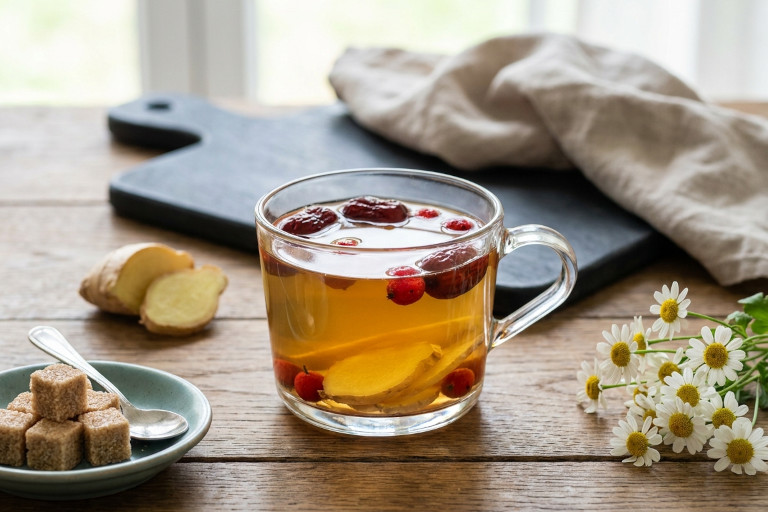
The result is a drink that is slightly spicy, sweet, and a little tangy. After drinking it, the abdomen may feel warmer and more relaxed, making the discomfort easier to bear.
In TCM, cold is often associated with pain. The Yellow Emperor’s Inner Canon, one of the foundational texts of Chinese medicine, includes the idea that pain can arise when cold gathers in the body. For this reason, TCM emphasizes keeping warm during menstruation, especially around the abdomen and lower back.
This does not only mean wearing warm clothing. It also includes paying attention to diet and daily habits. Many families advise avoiding ice cream, cold drinks, and exposure to cold weather during this time, especially for those who are prone to cramps.
Of course, severe menstrual pain should not simply be endured. If cramps are intense, recurring, or interfering with daily life, it is wise to seek medical advice. But for many people, warmth, rest, and simple dietary care can be helpful forms of support.
Easing constipation with lighter foods
Food therapy also appears in the way families respond to poor appetite and constipation. If you have been eating too many rich, heavy meals and begin to feel sluggish, with dry or difficult stools, your mother might tell you to eat lightly for a few days.
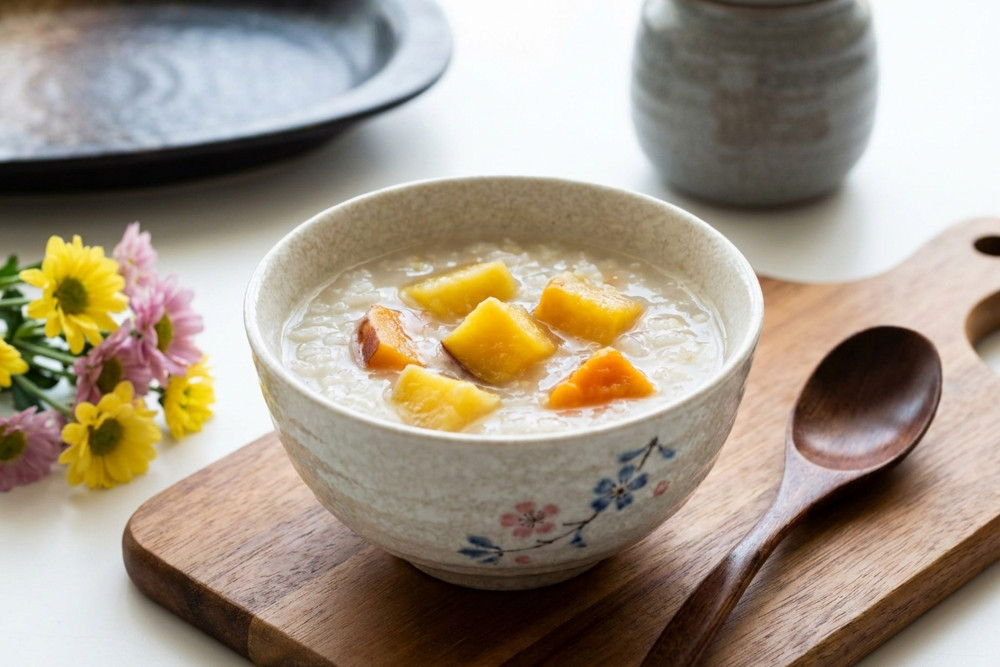
One common choice is sweet potato porridge. Sweet potatoes are soft, nourishing, and naturally rich in fiber. In TCM food therapy, they are also valued for supporting digestion and helping the bowels move more comfortably.
After a day or two of lighter eating, the stomach may feel less burdened, the appetite may return, and bowel movements may become easier. Some families add dried radish or dried vegetables to the porridge to help stimulate appetite and reduce the feeling of food stagnation.
The point is simple: When the body is already showing signs of strain, it is better not to keep adding more burden. A few days of lighter meals can give digestion a chance to settle.
Caring for small problems before they grow
Some people may think TCM is only useful for small problems. But in daily health care, small problems matter.
A tiny spark can start a wildfire if no one notices it. Putting out a large fire may be heroic, but preventing the fire from spreading in the first place is even better. The same principle applies to health. When a minor discomfort first appears, timely care may prevent it from becoming more difficult to manage.
Modern medicine often receives attention when doctors perform major surgeries or treat serious illnesses. These efforts are important and sometimes lifesaving. Yet there is another kind of care that happens quietly at home — the daily attention given by parents, grandparents, and caregivers who notice small changes and respond with food, rest, warmth, and common sense.
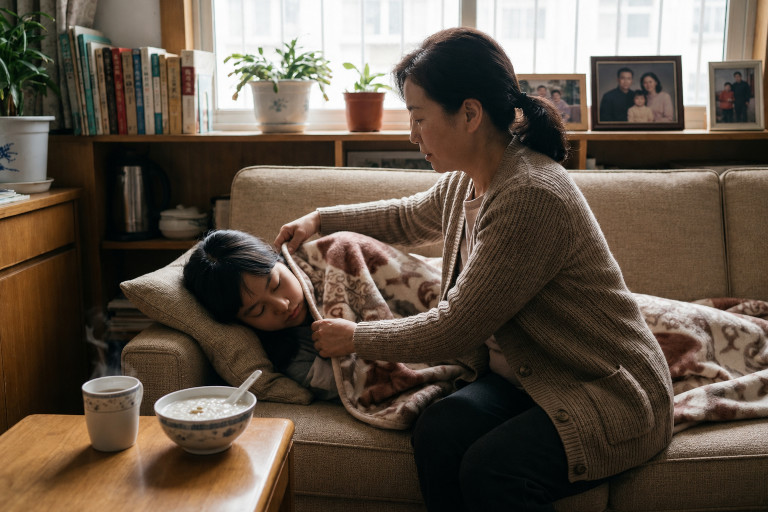
This kind of care may not look dramatic, but it can have a deep influence over time. A bowl of ginger soup, a reminder to rest, a lighter meal, or a warming drink during menstruation may seem ordinary. Yet these small acts reflect a larger understanding: health is built through daily choices.
Bringing TCM wisdom into daily life
Traditional Chinese Medicine teaches that prevention is better than waiting until illness becomes serious. By learning basic food therapy and paying attention to the body’s early signals, families can develop a more thoughtful approach to everyday wellness.
This does not mean treating every symptom at home or avoiding professional medical care. Rather, it means recognizing that daily habits matter. Food, warmth, rest, and moderation can all play a role in helping the body stay balanced.
When TCM principles become part of daily life, they offer more than remedies for minor ailments. They encourage a way of living that pays attention, responds early, and cares for the body with patience and wisdom.
About the author: Leon Xie is a licensed TCM practitioner in San Francisco. With many years of clinical experience, he has written extensively on traditional Chinese medicine and herbal therapy. A reporter from The Epoch Times was authorized by him to compile and publish this article for the benefit of readers.
Translated by Eva
Follow us on X, Facebook, or Pinterest
