

Joy is a wonderful feeling, often linked to good health and a clear mind. However, both ancient traditional Chinese medicine (TCM) and modern Western medicine agree that too much joy can actually be harmful to your heart. This article will explore practical ways to stay calm during life’s emotional peaks, helping you protect your cardiovascular health.
The surprising truth about joy and your heart
TCM views emotions as deeply connected to physical well-being. The seven core emotions — joy, anger, worry, overthinking, sadness, fear, and shock — are each tied to specific internal organs. Excessive or sudden joy, in particular, is believed to disrupt the body’s energy flow and disturb the heart’s normal function.
Take Mr. Li, for example. He was overjoyed after an unexpected promotion, but this overwhelming excitement led to symptoms like heart palpitations, insomnia, and anxiety. With the help of TCM, he gradually recovered.
According to TCM, the heart “governs the spirit,” meaning it plays a central role in our mental, emotional, and cognitive functions. Too much joy can disrupt the flow of vital energy (qi), leading to restlessness and even contributing to poor blood circulation. This can affect other bodily systems and potentially lead to long-term health issues.
From a Western medical perspective, intense emotional highs can overstimulate the sympathetic nervous system, causing an elevated heart rate and increased blood pressure. Studies have shown that extreme emotional fluctuations can contribute to heart disease, heart attacks, heart failure, and strokes — especially in individuals who already have high blood pressure.
Finding your center: Strategies for emotional balance
Emotional regulation is vital for both mental and physical health. Consider Anna, who experienced a racing heartbeat and chest tightness after winning the lottery. Her initial happiness quickly morphed into panic. Learning to stay emotionally grounded during such highs can prevent harm.
Anna learned to manage her stress by practicing meditation and embracing gratitude through prayer. These approaches helped her restore emotional balance and calm her mind.
Ancient wisdom, modern calm: Spiritual and philosophical paths to peace
Both Eastern and Western traditions offer valuable insights into spiritual and emotional well-being. In Christianity, the Bible emphasizes humility, gratitude, and inner peace, along with trust in a higher power. Stoicism, a Western philosophical tradition, teaches us to focus on what we can control and accept what we cannot — offering a path to calmness in the face of uncertainty.
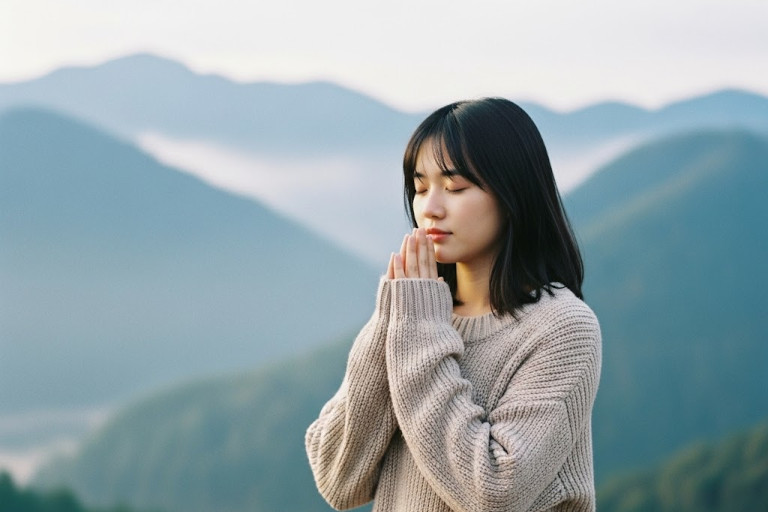
In Eastern thought, Buddhism speaks of impermanence and encourages detachment from material desires, aligning with the traditional idea of “not rejoicing over gain, nor grieving over loss.” Taoist teachings, especially those of Laozi, advocate for going with the flow and not over-pursuing worldly things.
Practical paths to tranquility: Meditation, Tai Chi, and more
Practices such as meditation, Tai Chi, and Qigong are effective in helping people regulate emotions and avoid mental extremes. Many find it challenging to calm their minds, especially with the constant demands of daily life. In this sense, the very act of sitting in stillness becomes even more important.
Studies have found that mindfulness meditation can reduce anxiety and help individuals respond more calmly to stress. Other research has shown that yoga training may improve mental resilience, heart and lung function, and overall psychological health.
Some also find clarity through modern spiritual practices like Falun Dafa (also known as Falun Gong), which explores the relationship between gain and loss — helping practitioners maintain a balanced mindset. In fact, a 2020 survey of over 1,000 Falun Gong practitioners in Taiwan reported that 70 to 89 percent of those with conditions such as cardiovascular disease, diabetes, lung disease, or hypertension experienced recovery or improvement after practicing.
Lifestyle habits that protect your heart
Prioritize quality sleep: Good sleep is essential for protecting the heart. Experts recommend not just getting enough sleep, but also sleeping during the optimal hours of 11 p.m. to 3 a.m., which is believed to be especially beneficial for cardiovascular recovery.
Embrace a digital detox: Another helpful practice is limiting time spent on phones, computers, and TVs. These devices stimulate the nervous system, keeping the body in a heightened state of alertness and producing stress hormones that can burden the heart over time.

Nurturing your heart with food: Dietary adjustments
For those experiencing emotional highs, certain foods can help soothe the system and support heart health. TCM recommends ingredients that “clear heat” and nourish the heart — essentially calming the effects of sympathetic nervous system overstimulation, which can cause inflammation.
Here are two traditional soups that offer both comfort and cardiovascular support:
Lotus seed and lily soup — Lotus seeds are rich in phenolic compounds and have antioxidant, immune-supporting, and neuroprotective properties. In TCM, they are believed to calm the mind and support both the heart and kidneys. Lilies are traditionally used to moisten the lungs, stop coughing, and calm the spirit. Modern studies suggest they have anti-inflammatory, anti-tumor, and anti-depressive effects.
Preparation: Combine 30 grams of lotus seeds (with the bitter seed core removed) with 10 grams of lily and 10 grams of red dates. Simmer in 1,000 milliliters of water for 40 minutes.
Red date and snow fungus soup — Snow fungus (Tremella) has been used for centuries in Chinese herbal therapy. Research has found that its polysaccharides help strengthen the immune system, protect nerves, and reduce oxidative damage to heart tissue.
Preparation: Combine 20 grams of snow fungus and 20 red dates in 1,000 milliliters of water and simmer for 30 minutes. Red dates add natural sweetness, but you may include a small amount of rock sugar if desired.
A path to lasting well-being
Combined with regular exercise, a balanced diet, and positive spiritual beliefs, these practices can help you enjoy life’s joyful moments without sacrificing your inner peace or heart health. A calm mind is often considered the foundation of health and longevity. May these suggestions help you safeguard your emotional and physical well-being.
Note: The herbs mentioned may be unfamiliar, but many are available at Asian grocery stores or health food shops. Since everyone’s body is different, it’s best to consult a qualified healthcare provider for personalized advice.
Translated by Joseph Wu
Follow us on X, Facebook, or Pinterest
