
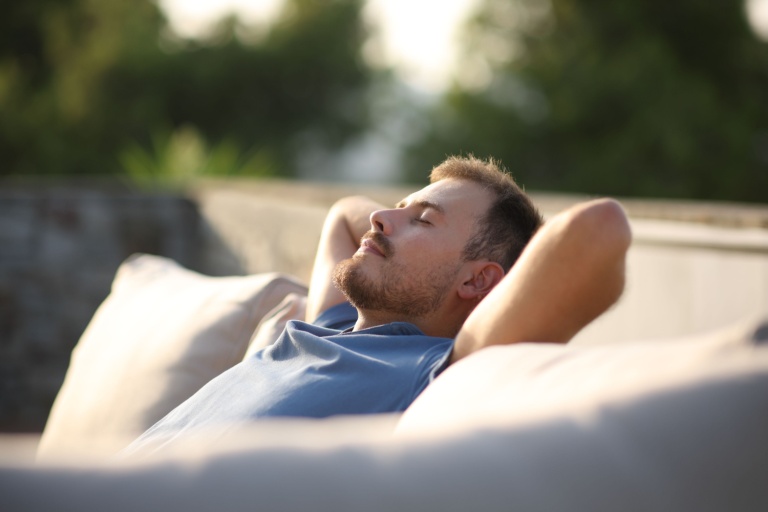
In a world where exhaustion has become a badge of honor, “rest as resistance” is emerging as a quiet revolution. Once dismissed as laziness, doing nothing is being rediscovered as an act of defiance — a way to reclaim the mind, the body, and even the spirit from the machinery of perpetual productivity. From the meditative stillness of ancient monks to the minimalist calm of modern slow-livers, this movement asks a radical question: what if the most powerful thing we can do is stop?
Ancient wisdom: wu wei, meditative slowness, monastic stillness
Long before self-care hashtags and burnout memes, the idea of “doing nothing” was revered as a form of mastery. In Taoist philosophy, it was called wu wei — literally “non-doing,” a state of effortless action where one flows with, rather than against, the natural order. Lao Tzu described it not as apathy but as alignment —the art of allowing life to unfold without resistance.
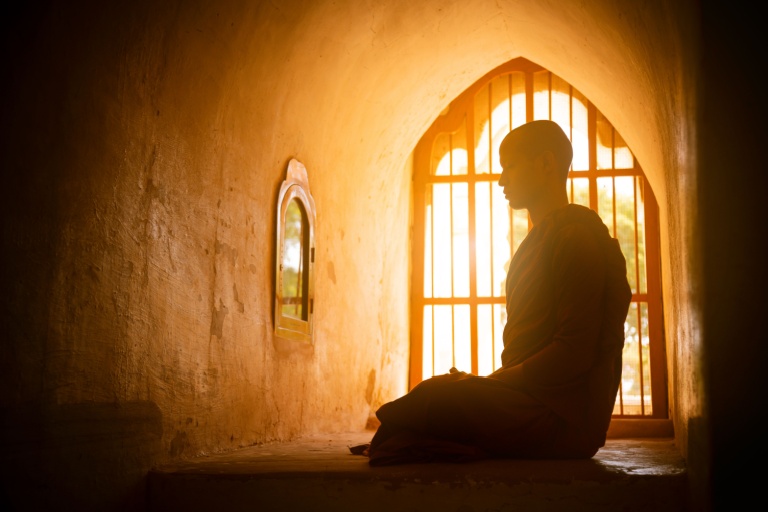
Monastic life in both East and West built entire systems around this principle. Buddhist monks practiced zazen — seated meditation — to still the mind and dissolve the ego. Christian contemplatives like the Desert Fathers fled cities to find holiness in silence. “We are not meant to live exhausted,” wrote the Trappist monk Thomas Merton, who saw stillness as the only way to encounter truth in an overstimulated world.
These traditions weren’t about luxury retreats or escapism. They were radical refusals of distraction — early forms of resistance against noise, excess, and unexamined busyness. In a sense, they foresaw our predicament: an age where constant doing has become a moral imperative.
The Western revival: Slow living, minimalism, and idleness as art
Fast-forward to the 21st century, and our culture of hustle has reached theological proportions. The mantra of “rise and grind” has replaced prayer; the to-do list, a modern rosary. Psychologists now recognize this as “productivity moralization” — the belief that one’s worth is tied to output, leading to guilt at the mere thought of rest.
But under the surface, a quiet rebellion is spreading. Movements like slow living, digital minimalism, and even “bed rotting” — a Gen Z term for staying in bed with no agenda — are reclaiming idleness as sanity. The Dutch call it niksen, “to do nothing with purpose,” a counter-cultural antidote to burnout.
“Minimalism isn’t about owning less,” says author Joshua Fields Millburn of The Minimalists, “it’s about making room for more — time, creativity, peace.” That sentiment mirrors an older lineage: monks trading possessions for clarity, sages forgoing status for serenity. Today’s minimalists, though secular, echo the same intuition — that the path to freedom runs through stillness. The irony is striking: in an era of abundance, doing nothing has become an act of rebellion.
The science of doing nothing: brain, body, mind
Rest isn’t just spiritually redemptive — it’s neurologically necessary. Neuroscientists have found that the default mode network (DMN) — the brain system active during daydreaming, reflection, and idleness — is vital for creativity and emotional regulation. When we “zone out,” the DMN stitches together past and future experiences, consolidating memory and insight. That’s why so many breakthroughs occur in the shower, on a walk, or staring at nothing. As psychologist Dr. Sandi Mann puts it, “Boredom is the gateway to brilliance.”
Chronic overwork, by contrast, leads to neural fatigue — reduced executive function, weaker impulse control, and lower empathy. The World Health Organization classified burnout as an “occupational phenomenon” in 2019. Yet, even rest has been commodified. Meditation apps, productivity planners, and “mindful hustle” workshops often repackage stillness as another achievement. “We’ve turned rest into a performance,” notes sociologist Devon Price, author of Laziness Does Not Exist. Science, however, confirms what the ancients knew intuitively: rest doesn’t make us lazy — it makes us whole.
Resistance in the everyday: Reclaiming rest in a workaholic culture
The idea of rest as resistance — popularized by activist Tricia Hersey, founder of The Nap Ministry — reframes sleep and idleness as acts of defiance in systems built on exploitation. “Rest is a form of reparations,” she writes. “A reclamation of our time, our bodies, our dreams.” Hersey’s work resonates globally because it touches on structural fatigue — the exhaustion of people navigating precarious economies, racial inequities, and nonstop digital demands. To rest, she argues, is to withdraw consent from a culture that treats humans like machines.
This ethos aligns with international movements such as China’s “tang ping” (“lying flat”), a protest against overwork in which young people reject career ladders and consumerism. Similarly, “quiet quitting” in Western workplaces reflects a refusal to sacrifice health for corporate loyalty. Together, these movements reveal a generational truth: we are tired not just because we work hard, but because we’ve forgotten how to be. Reclaiming rest means rebuilding identity outside output. It’s choosing to pause — not out of weakness, but wisdom.

Practices to experiment with niksen, micro-rest, and unstructured time
Proper rest is not the same as distraction. Scrolling, binge-watching, or numbing out often mimic rest while leaving us overstimulated. Genuine rest restores, rather than escapes.
Here are practices drawn from both science and tradition that can reintroduce intentional idleness:
- Niksen: Schedule “empty” time with no agenda — sit by a window, observe light, or let your mind wander. Studies show that even ten minutes of unstructured thought reduces cortisol and improves creative insight.
- Micro-rests: Short pauses between tasks — two minutes of breathing, stretching, or simply looking away from screens — prevent cognitive fatigue.
- Digital sabbaths: Adopt one day a week with no screens or emails. Research from the University of Gothenburg links constant connectivity to higher anxiety and sleep disruption.
- Restorative rituals: Borrow from monastic rhythms — evening candles, journaling in silence, walking meditations. Rituals transform rest from “breaks” into sacred pauses.
Each practice retrains the nervous system to exist without demand—a radical notion in a world that rewards perpetual motion.
The quiet revolution
The cultural pendulum is swinging. Rest is no longer a private luxury; it’s becoming a public philosophy. Corporations are experimenting with four-day workweeks, schools are introducing mindfulness breaks, and burnout is finally recognized as a collective disease rather than an individual failure. But perhaps the truest revolution begins internally. Rest isn’t a trend to follow — it’s a truth to remember. Every major wisdom tradition teaches that life unfolds in rhythms, not races. There is a time to strive and a time to still.
To rediscover rest is to reclaim our humanity — to remember, as Merton wrote, that “there is a pervasive form of contemporary violence… activism and overwork.” In choosing to do nothing, we are not withdrawing from life. We are returning to it.
Follow us on X, Facebook, or Pinterest
