
Do you carefully apply skincare products every day and consume powders that claim to “boost collagen,” yet still feel your face looks dry, dull, and tired in the mirror? You are not alone. Millions of people invest small fortunes into serums and supplements, only to find that their skin’s radiance remains frustratingly out of reach. The real problem often isn’t the skincare routine at all — it lies in the humble bowl of white rice we eat daily, but routinely overlook.
White rice is undeniably soft, comforting, and tasty. However, because it is an overly refined grain, the modern milling process strips away its husk, bran, and germ. In doing so, most of its essential vitamins, minerals, and dietary fiber are lost. What you are left with is a bowl of pure starch: plenty of calories, but very little actual nutrition. Over time, a diet heavily reliant on refined white rice can cause rapid blood sugar spikes and crashes, contribute to weight gain, and trigger a process called glycation, which damages collagen and robs your skin of its natural radiance.
Don’t worry — you don’t have to give up rice entirely to save your skin. The smarter, more sustainable approach is to add a small handful of “golden partners” to the rice cooker. These whole-food ingredients boost your meal’s nutritional profile, stabilize your blood sugar, and dramatically improve your skin from the inside out. They are so simple to prepare that even complete non-cooks can manage.
Let’s get to know these natural ingredients, tucked away in the corners of your kitchen, that can give your plain rice a vibrant new life.
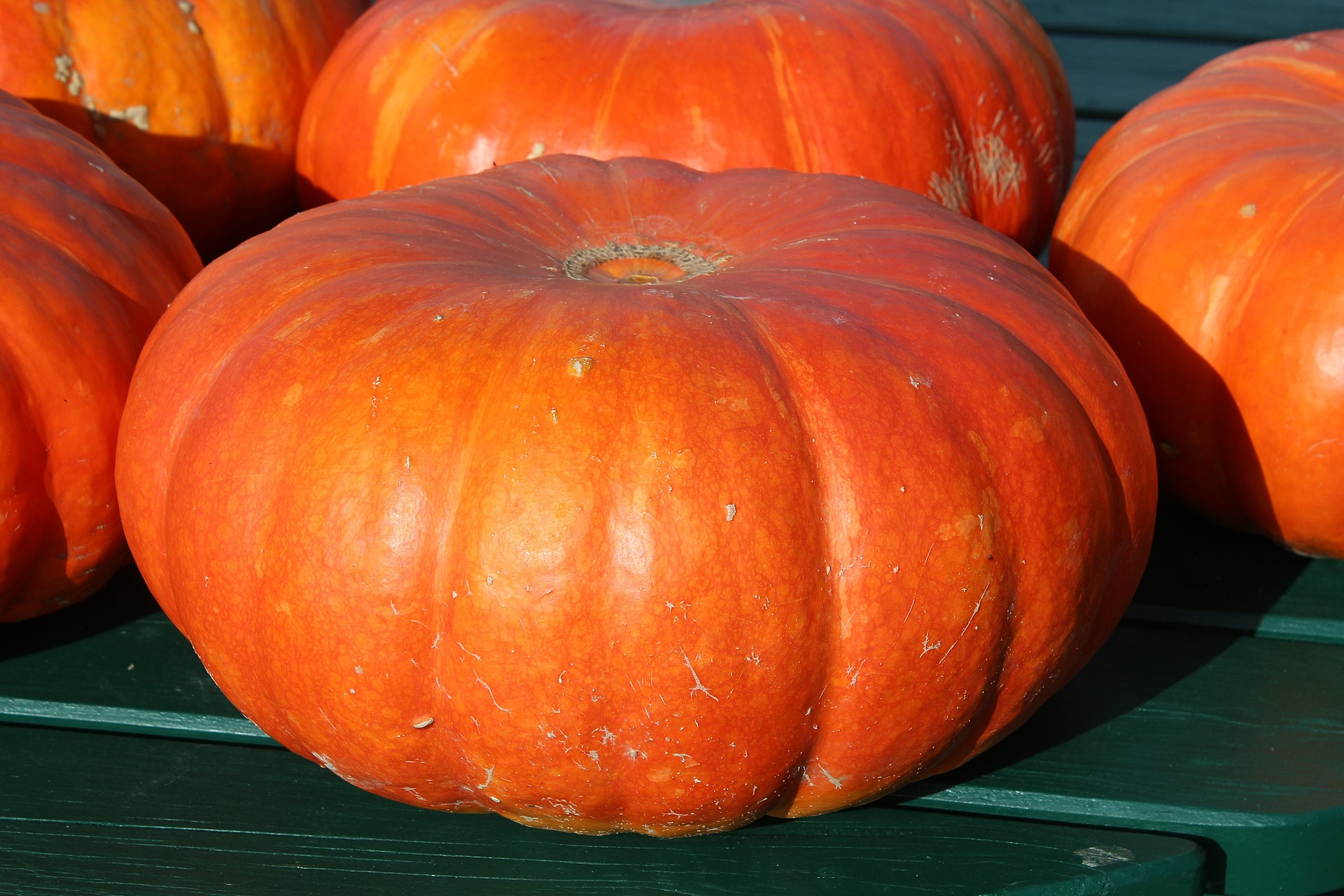
Pumpkins: A natural anti-aging treasure
Pumpkin shines as a skincare powerhouse thanks to its exceptionally high concentration of beta-carotene. This powerful, fat-soluble antioxidant converts to vitamin A in the body, helping your skin resist environmental free radicals, accelerate cellular turnover, and maintain an even, bright complexion. Furthermore, pumpkin contains trace amounts of cobalt, an essential element that supports vitamin B12 production and healthy blood formation.
When your circulation improves, oxygen and nutrients reach the surface of your skin more efficiently, giving your complexion a rosy, healthy flush.
- How to prepare: Simply cut fresh pumpkin into small, bite-sized chunks and toss them directly into the pot with your rice. As it steams, the pumpkin melts into a sweet, soft texture that naturally flavors the grain — a dish that kids and adults alike love.
- A quick note: Eating large amounts of pumpkin over a short period can temporarily turn your palms and the soles of your feet slightly yellow. This is a harmless condition called carotenemia, and it fades naturally once you reduce your intake for a few days.
Yams: Aid digestion to improve skin glow
In traditional wellness philosophies, poor skin often stems from weak digestion rather than chronological age. If your gut cannot efficiently break down and absorb nutrients, your skin will show it by becoming sallow and dry. Chinese yams strengthen the stomach and spleen, thereby directly aiding digestion. It is uniquely rich in mucin, a slippery substance that coats and protects the stomach lining from irritation.
Better digestion translates to faster, more efficient nutrient absorption. When your body is properly nourished from within, your skin naturally becomes plumper, more hydrated, and resilient.
- How to prepare: Peel and slice fresh yams, then layer the pieces on top of your rice before cooking. It imparts a moist, soft, and slightly creamy texture that is incredibly easy for elders and children to digest.
- Pro tip: To avoid the intense skin itching caused by oxalates in raw yams, always wear gloves when peeling them, or dip your hands in water with a splash of vinegar beforehand.
Purple and black rice: Replenishes blood and brightens complexion
People with poor circulation or low iron levels often look pale, washed out, or chronically sallow. Instead of turning to expensive, synthetic iron supplements, look to dark grains like purple or black rice. Historically reserved for royalty, these deep-hued grains nourish the body, help alleviate general weakness, and improve overall skin glow.
The deep-colored husks of purple and black rice are packed with anthocyanins — the same potent antioxidants found in blueberries and acai. Anthocyanins neutralize free radicals, protect blood vessels, and actively slow down the visible signs of aging.
- How to prepare: Because these grains retain their tough outer bran layer, you must soak them in water for at least 4 hours — ideally overnight — before cooking. Mix them into your white rice at a 1:3 ratio to start, ensuring a chewy yet tender texture.
Red beans: Reduce morning puffiness
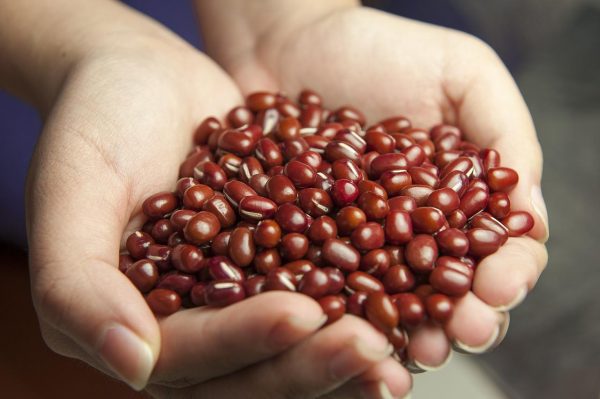
If you frequently wake up with a swollen face, puffy eyes, or jeans that feel tight by midday, your body may be retaining water rather than actually gaining fat. Red beans (such as adzuki beans) are incredibly rich in potassium, a mineral that acts as a natural diuretic, helping flush excess sodium and stagnant water from your system.
By eliminating this fluid buildup, red beans help sculpt your jawline and reduce morning puffiness, while simultaneously imparting a rich, nutty aroma and a beautiful rosy tint to your daily rice.
- How to prepare: Hard beans require a thorough 4 to 6-hour soak before they are soft enough to cook evenly with white rice.
- A quick note: If you have a history of gout or high uric acid levels, consult a doctor or nutritionist before significantly increasing your bean intake, as legumes contain purines.
Sweet potatoes: The intestinal push for clearer skin
A healthy, well-functioning gut is almost always mirrored by a clear, glowing complexion. When waste sits in the colon for too long, toxins can be reabsorbed into the bloodstream, often manifesting as breakouts, dullness, and facial inflammation. Sweet potatoes provide a natural “intestinal push” due to their exceptionally high dietary fiber content, which softens stool and stimulates healthy bowel movements.
- How to prepare: Simply scrub a sweet potato clean, cut it into cubes with the skin intact (as the skin contains a high concentration of fiber and nutrients), and cook it with your rice. It adds a comforting sweetness and satisfying fullness to your meal, making it a far healthier alternative to sugary processed snacks.
Oats: Protects blood vessels and enhances cellular health
Oats are highly celebrated for containing a specific type of soluble fiber known as beta-glucan. Inside the digestive tract, beta-glucan acts much like an “oil sponge,” binding to bad cholesterol and bile acids, thereby stabilizing blood vessels and promoting excellent cardiovascular health. For middle-aged and older adults, adding whole oats to daily rice is a seamless, effortless way to safeguard long-term heart health.
- How to prepare: Avoid sugary, processed instant oatmeal packets. Instead, opt for whole oat groats or thick rolled oats. Give them a quick soak before mixing them into your rice cooker to ensure they soften beautifully alongside the rice.

Brown rice: stabilizes blood sugar and promotes satiety
Unlike highly processed white rice, brown rice retains its nutrient-dense bran and germ layers. This structural difference means your body breaks down the carbohydrates much more slowly, preventing the sharp insulin spikes that trigger systemic inflammation and acne breakouts. By keeping your blood sugar stable, brown rice provides sustained energy and prolonged satiety, curbing afternoon sugar cravings.
- How to prepare: If you find the earthy flavor and chewy texture of brown rice unfamiliar, start by taking it easy. Use a mix of 3 parts white rice to 1 part brown rice, and gradually increase the ratio. Soaking the brown rice for 2 hours before cooking is the ultimate secret to a softer, more palatable texture.
Kidney beans: Fights inflammation and controls blood pressure
Kidney beans are a nutritional powerhouse, rich in plant-based protein, potassium, and magnesium, making them excellent for supporting healthy blood pressure. Furthermore, they are rich in polyphenols that possess strong anti-inflammatory properties, helping soothe skin redness and irritation from the inside out.
- How to prepare: Raw or undercooked kidney beans contain a toxin called phytohemagglutinin, which can cause severe digestive distress. To enjoy them safely, you must soak them overnight and boil them until thoroughly soft and powdery before consumption.
Tips for cooking rice with maximum nutrition
To truly unlock the life-changing benefits of these golden partners, follow these three simple culinary rules:
- Rinse gently, don’t scrub: When washing your grains, swirl them gently in cold water and drain. Vigorous scrubbing rubs off the water-soluble B vitamins clinging to the outer layers.
- Master the soak: White rice only needs 15 to 30 minutes of soaking, but whole grains and beans require at least 2 hours (or overnight) to soften. Proper soaking also breaks down phytic acid, making the nutrients much easier for your body to absorb.
- Let it rest: When your rice cooker clicks to the “warm” setting, do not open the lid immediately. Let the rice rest and steam undisturbed for another 15 minutes. This allows the moisture to redistribute evenly, resulting in a fluffier texture that is significantly easier to digest.
The absolute best skincare routine is found not in a cosmetic bottle, but in your daily meals. Glowing skin and a vibrant complexion do not require exorbitant budgets or multi-step regimens. By simply adding a thoughtful handful of these natural ingredients to your daily rice pot, you transform an ordinary staple into a nourishing, complexion-enhancing natural remedy.
Over time, as these dietary changes take root, you will begin to notice a profound transformation:
- Skin becomes deeply hydrated and plump.
- Your complexion turns visibly rosier and more awake.
- Your sleep patterns become more stable and deeply restful.
- Digestion feels lighter and completely effortless.
- Your daily energy levels remain strong and steady.
True health and beauty are beautifully simple — they have been hidden in the rice we eat every single day all along.
Translated by Cecilia and reviewed by Amanda
Follow us on X, Facebook, or Pinterest
