
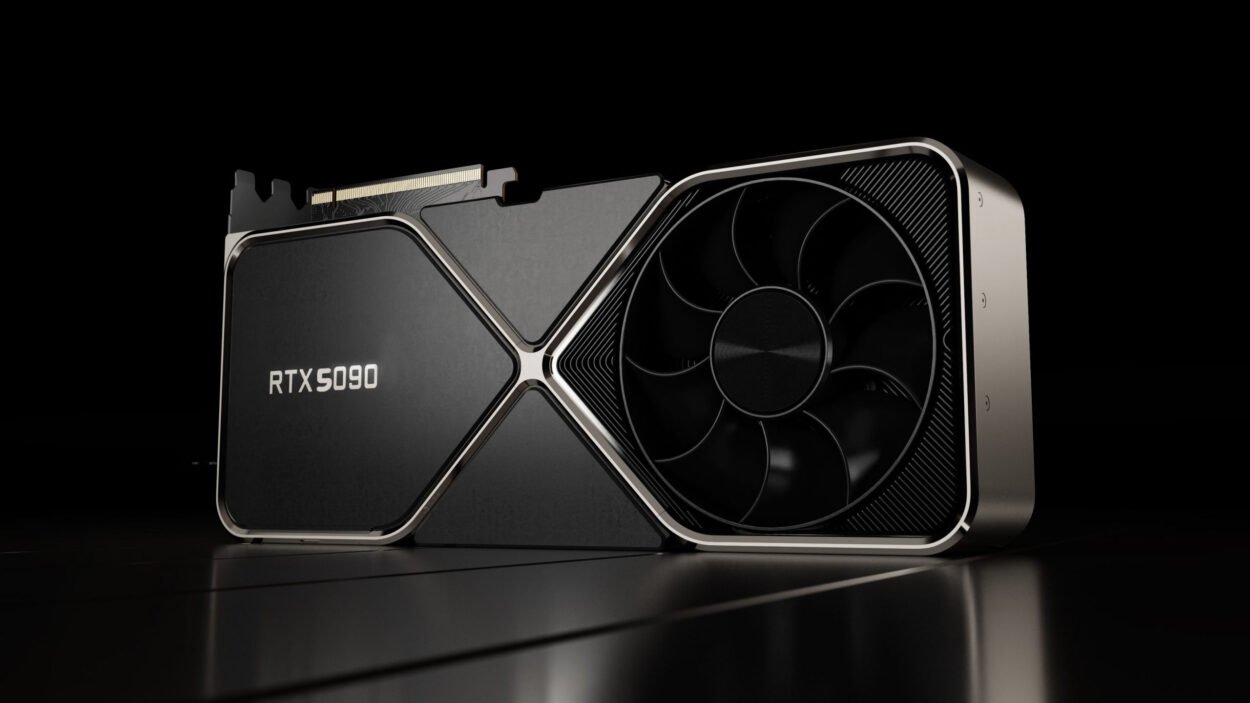
The trend of converting RTX 5090 gaming GPUs into AI powerhouses is rapidly gaining momentum in China’s gray market. At first glance, this movement might seem like a niche technical curiosity, but it is a calculated response to a complex web of geopolitical, economic, and technological pressures. As the global race for artificial intelligence (AI) supremacy intensifies, and with the United States tightening export controls on advanced AI hardware, Chinese firms are finding innovative ways to circumvent these barriers.
The conversion of premium gaming cards — each worth thousands of dollars — into server-grade AI accelerators is not just a technical feat, but a strategic maneuver that speaks volumes about the intersection of necessity, ingenuity, and ambition in China’s tech landscape.
Why convert RTX 5090 gaming cards into AI GPUs?
Several converging factors drive the decision to repurpose high-end RTX 5090 gaming GPUs into AI accelerators. First and foremost, U.S. export controls have placed strict limitations on the sale of top-tier AI chips, such as NVIDIA’s A100 and H100, to China. These restrictions, intended to slow China’s progress in AI, have inadvertently created a market vacuum for high-performance computing hardware.
At the same time, the RTX 5090, while marketed as a gaming GPU, is built on the same powerful GB202 silicon found in professional-grade AI cards. This makes it an attractive alternative for Chinese firms seeking to develop or expand their AI infrastructure.
The insatiable demand for compute power — driven by the need to train large language models (LLMs) and other advanced AI systems — means that companies are constantly searching for new sources of high-performance GPUs. In this context, converting gaming cards into AI workhorses is both a clever workaround and a necessary adaptation to external constraints.
The economics behind China’s GPU gray market
The economic logic underpinning the RTX 5090 conversion trend is compelling. Consumer-grade RTX 5090 cards are significantly less expensive than their enterprise-grade counterparts for AI applications. By reconfiguring these gaming GPUs for server use, Chinese firms can achieve performance levels comparable to official AI accelerators, but at a fraction of the cost.
This cost arbitrage is particularly attractive to smaller companies and startups that cannot afford the premium prices of official NVIDIA hardware. Once modified with blower-style coolers, these cards can be densely packed into server racks — up to eight GPUs per chassis — without overheating.
This density is a crucial advantage for data centers, where space and cooling are in short supply. As China’s AI ecosystem continues to expand, the demand for scalable and affordable compute resources is growing. For many firms, the gray market is often the only viable path to accessing the necessary hardware.
How the conversion process works
Transforming an RTX 5090 gaming GPU into a server-grade AI accelerator is far from a simple hack. It is a sophisticated, semi-automated industrial process that rivals factory production in its precision and efficiency.
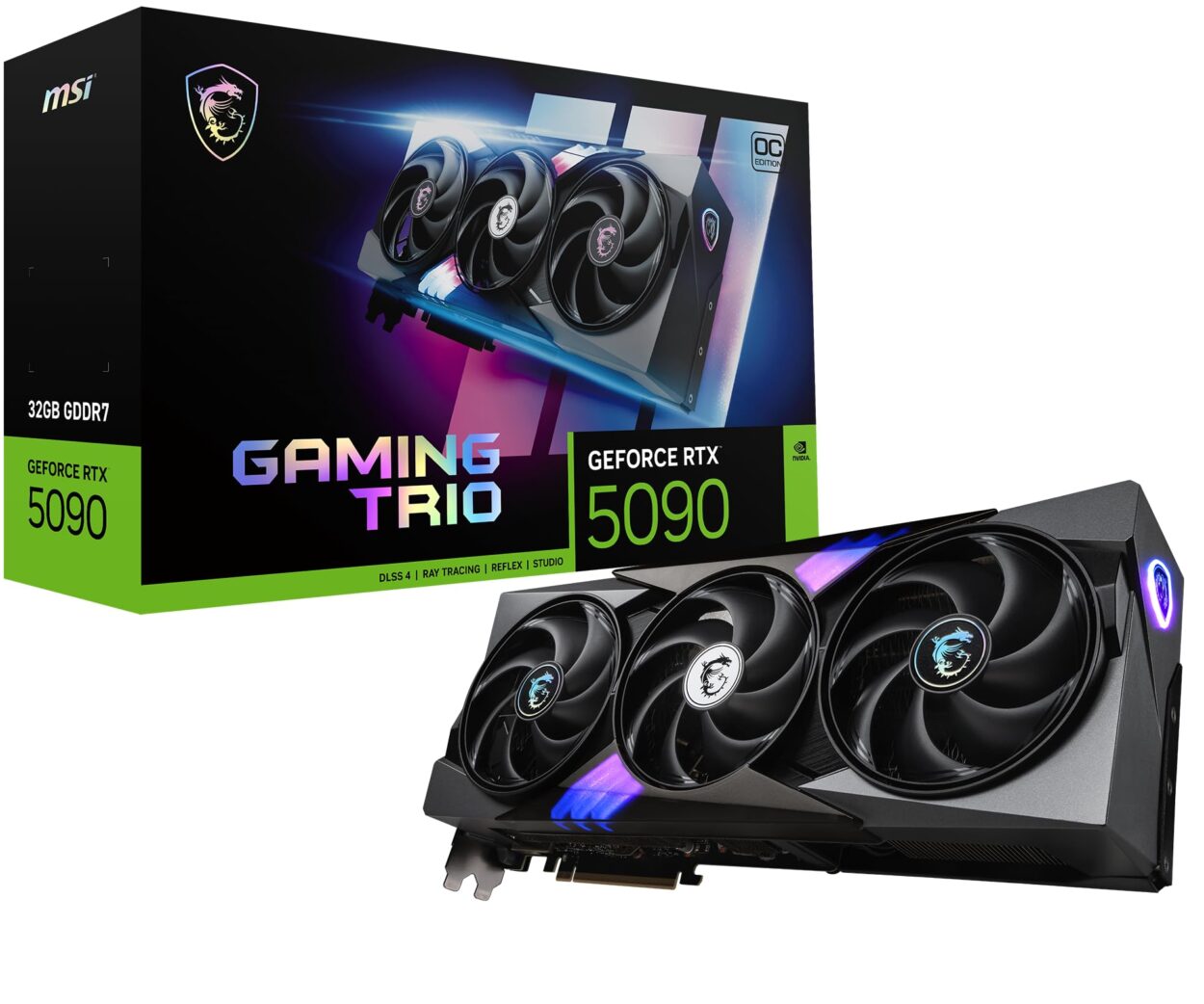
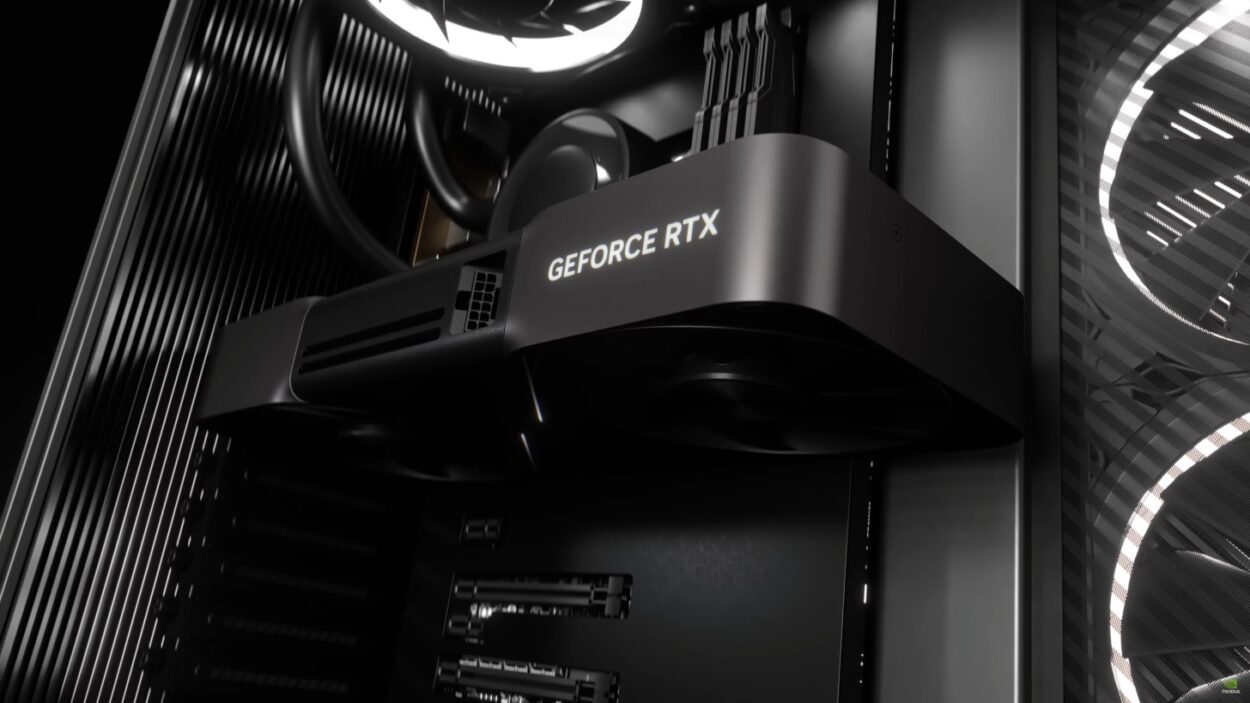
The process begins with the disassembly of the original gaming card, which involves removing its triple-fan cooling system and standard PCB layout. Next, robotic arms extract the GB202 GPU and GDDR7 memory modules. Each chip undergoes a rigorous CT scan to detect any defects, with subpar dies being discarded. The best chips are then cleaned, reballed, and mounted onto new two-slot server boards. A custom blower-style cooler replaces the original fan setup, and new circuitry — complete with a 16-pin power plug — is installed to ensure compatibility and thermal efficiency.
The result is a rack-ready “5090 Turbo” card that draws 600W and can be deployed in dense server environments for AI training workloads. These conversions are not crude improvisations; they are high-quality engineering solutions designed to maximize performance and reliability.
The legal loophole: Export rules and gray imports
Despite U.S. efforts to restrict the export of advanced AI hardware to China, full-featured RTX 5090 cards continue to find their way into the country. Officially, only the nerfed 5090D variant — with reduced AI capabilities — is permitted for export to China. However, gray market operators have developed various strategies to circumvent these restrictions.
Many of these cards are sourced through global distributors and routed through intermediary markets in Southeast Asia, effectively bypassing direct export controls. Additionally, because gaming GPUs are not explicitly classified as AI accelerators, enforcement of export rules becomes a complex challenge. Bulk purchases by retail customers do not automatically trigger regulatory scrutiny, allowing large quantities of RTX 5090s to slip through the cracks. This gray area between legality and illegality is where innovation thrives, as firms race to stay one step ahead of regulators.
Fueling China’s AI ambitions with DIY GPU clusters
Once converted, these DIY AI GPUs are deployed across a wide range of applications, fueling China’s ambitions in artificial intelligence. Smaller AI startups, which lack the resources to purchase official NVIDIA A100s or H100s, can now train their models on clusters of repurposed 5090s. This democratization of access to high-performance computing is empowering a new generation of innovators and entrepreneurs.
State-backed research labs and large enterprises are also leveraging these dense, rack-mounted GPU clusters to power a range of applications, from surveillance systems to smart city infrastructure. By enabling mid-sized players — not just tech giants like Alibaba or Baidu — to participate in AI development, the conversion trend is fostering a more decentralized and dynamic AI ecosystem within China. This, in turn, accelerates the pace of innovation and broadens the base of talent and expertise contributing to China’s AI ambitions.
Global ripple effects: Markets, supply chains, and ethics
The conversion of RTX 5090 gaming GPUs into AI powerhouses is not just a local phenomenon — it has significant global implications. For NVIDIA, the surge in demand for gaming GPUs in China presents both an opportunity and a dilemma. While the company benefits from increased sales, it must also navigate mounting pressure from governments to tighten export controls and prevent its products from being repurposed for restricted uses.
On a broader scale, China’s success in building advanced AI systems with repurposed hardware could intensify the global AI arms race, prompting other countries to seek similar workarounds or accelerate their investments in AI infrastructure. This raises complex ethical questions: Are these conversions a form of technological empowerment, enabling broader access to AI capabilities? Or do they represent a threat to global stability, undermining efforts to regulate the proliferation of advanced AI technologies?
The answers to these questions are not straightforward. What is clear, however, is that the line between innovation and desperation is becoming increasingly blurred as nations and companies vie for leadership in the AI era.
Conclusion: Innovation or desperation in the RTX 5090 GPU conversion trend?
The phenomenon of converting RTX 5090 gaming GPUs into AI powerhouses is a testament to the resourcefulness and determination of China’s tech community. Faced with external constraints and mounting pressure to innovate, Chinese firms have turned limitations into opportunities, transforming consumer hardware into the backbone of their AI infrastructure. This gray market ecosystem, born out of necessity, is characterized by technical excellence, economic pragmatism, and a willingness to challenge the status quo.
Key takeaways from this trend include the role of U.S. export restrictions in driving innovation, the economic and technical viability of gray market conversions, and the growing importance of decentralized, cost-efficient compute power in shaping the future of artificial intelligence.
As the global adoption of AI continues to accelerate, we can expect to see even more unconventional tactics, shadow innovations, and a redefinition of what constitutes the GPU market. Ultimately, those who can adapt, innovate, and navigate the shifting landscape of technology and regulation will be the ones to lead the next wave of AI breakthroughs.
The story of the RTX 5090 conversion trend is not just about hardware — it reflects the universal principles of resilience, ingenuity, and the relentless pursuit of progress.
Follow us on X, Facebook, or Pinterest
