

Building a lasting exercise habit is rarely an overnight process. Moving from initial misconceptions and reservations about physical training to giving it an honest attempt, and ultimately integrating fitness into your daily routine, involves five distinct stages.
Five stages of developing habits
- Pre-contemplation: I don’t think exercise is important yet, and I may adopt a sedentary lifestyle every day.
- Contemplation: Begins to recognize the importance of movement, but has not yet taken action.
- Preparation: Attempts to change have begun, some activities are carried out, but none are fixed.
- Action: Regular exercise has begun but is less than six months old.
- Maintenance: Regular exercise for more than six months.
In the pre-contemplation stage, individuals fail to see the value of exercise and usually lead a sedentary lifestyle. During the contemplation stage, people begin to recognize the importance of staying active but have not yet taken concrete action. The preparation stage involves initial attempts to make lifestyle changes and engage in sporadic physical activity, though consistency remains elusive. In the action stage, regular exercise begins, but the routine has been maintained for less than six months. Finally, the maintenance stage occurs when regular physical training has been sustained consistently for six months or longer. Beyond these primary phases, many people also encounter a common relapse stage, where an interrupted exercise routine forces a temporary return to an earlier phase.

You must recognize the core stages of habit formation
During the pre-contemplation stage, physical fitness is not viewed as a priority, and daily life typically revolves around sedentary habits. Because the tangible benefits of strength training remain unrecognized at this point, taking that initial step feels nearly impossible.
Mindset barriers keep many stuck in contemplation
Once you enter the contemplation phase, your primary objective becomes taking decisive action. However, individuals who lack a strong sense of urgency frequently find themselves unable to begin. Beyond simple motivation deficits, two major psychological barriers hold people back from progressing. The first barrier is self-doubt, where individuals constantly question whether a specific exercise program is right for them or whether they possess the capability to perform it. The second barrier is the false belief that one must wait until they are fully prepared before starting. In reality, there is no perfect moment to begin; integrating exercise into your life requires dynamic balance, and you must start to discover what works best for you.
You may currently find yourself in the preparation phase, trying various approaches without establishing a steady routine. Building consistency at this stage relies on three core elements: structured conditioning, a genuine sense of accomplishment, and a positive mindset. Consider Lin Yating, a busy woman in her thirties who noticed her stamina dropping and body fat rising after abandoning her exercise routine. To restart her journey, she used conditioning by enrolling in a weekly training class and making time for exercise. She then gained momentum through a sense of accomplishment as she noticed improved core stability, posture, and a leaner abdomen. Finally, adopting a positive mindset meant viewing long-term consistency as the ultimate goal, enabling her to persevere without giving up easily.
Long-term adherence requires viewing exercise as a lifestyle
Research indicates that people who initiate a regular training routine face a greater than 50% chance of quitting within the first six months. This high dropout rate occurs primarily when individuals view exercise strictly as a short-term means to an end. Once physical appearance improves or immediate fitness targets are met, training suddenly feels unnecessary.
Most people experience back-and-forth progress along their fitness journey, encountering temporary setbacks before restoring balance to keep exercise in their lives. Embracing consistency as the primary goal requires you to stop viewing training merely as a temporary tool and refrain from self-criticism during brief lapses. Adopting this resilient perspective allows you to transition smoothly into the maintenance phase and anchor fitness firmly in your daily routine.
Regular workouts deliver transformative physical rewards
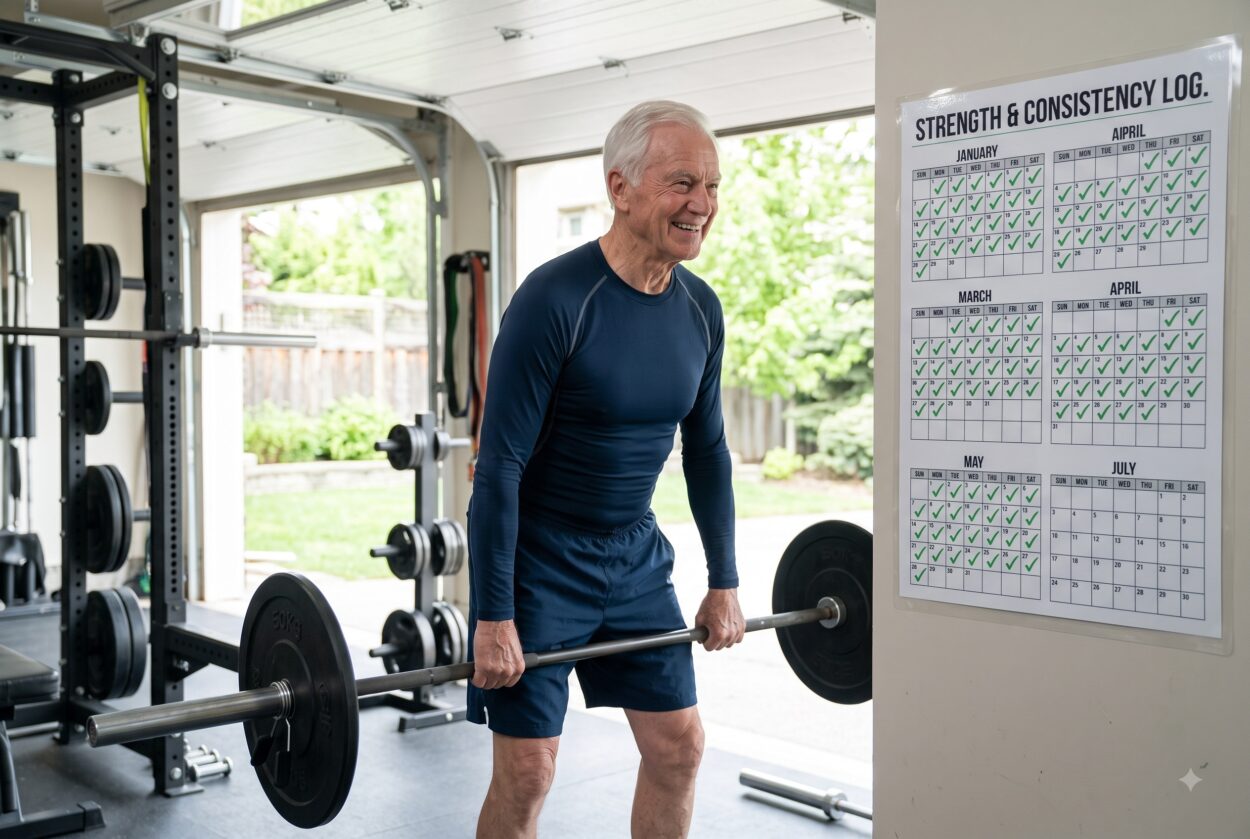
Even beginners can experience remarkable physical benefits from working out just once a week. Your body learns proper force production, making daily movements feel noticeably easier, while activating previously neglected muscle groups, improving posture, and building steady strength. To maximize your physical transformation while honoring proper recovery, you can gradually increase your training frequency. While strength training one or two times weekly effectively maintains muscle and overall physique, achieving significant body fat reduction typically requires three to four high-intensity workouts each week alongside balanced dietary adjustments.
Developing a lifelong exercise habit is remarkably similar to nurturing a deep friendship. Just as you treasure meaningful personal relationships, you come to value the vital role of physical training. May strength training remain a reliable, empowering companion throughout your life journey.
Translated by Audrey Wang and reviewed by Amanda
Follow us on X, Facebook, or Pinterest
